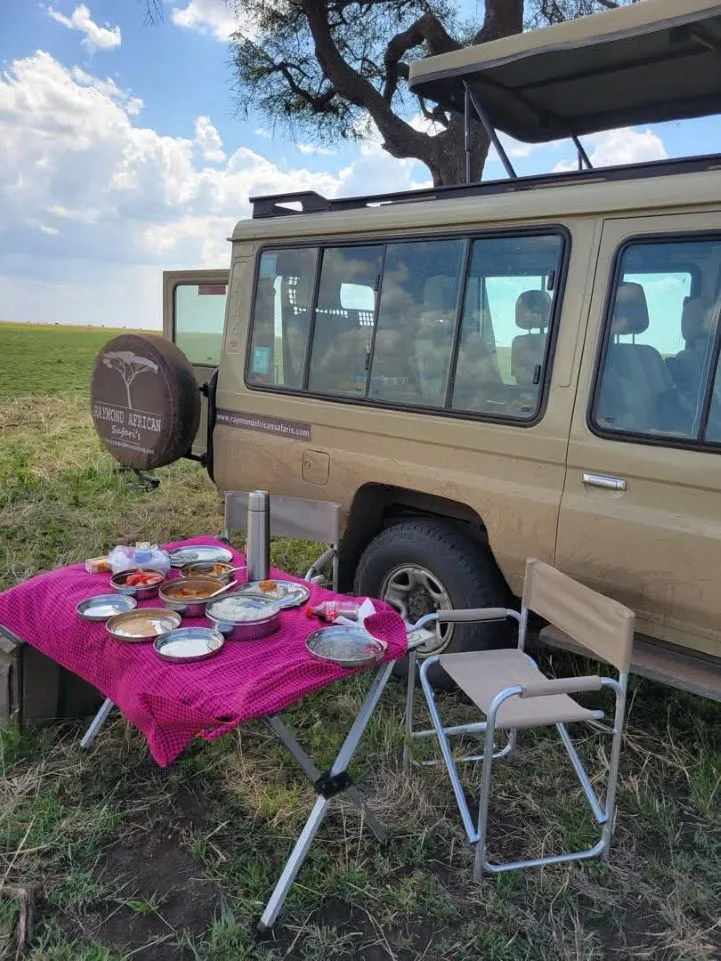
Planning a safari in Kenya and Tanzania starts with choosing the right time to travel. Whether you want to witness the Great Wildebeest Migration, spot the Big Five, photograph Africa's incredible wildlife, enjoy a luxury honeymoon, or embark on an unforgettable family adventure, this comprehensive 2026/2027 Best Time to Visit Kenya & Tanzania Guide will help you plan with confidence.
Created by experienced local safari specialists, this guide covers everything you need to know—from seasonal wildlife movements and weather patterns to migration calendars, safari costs, photography opportunities and destination-specific travel advice. Discover the best time to visit world-famous destinations including the Masai Mara National Reserve, Serengeti National Park, Amboseli National Park, Ngorongoro Crater, Tarangire National Park, Samburu National Reserve and the tropical beaches of Zanzibar. With expert planning tips, practical travel advice and month-by-month recommendations, you'll be able to choose the perfect season for an unforgettable East African safari.
Planning your first safari? Explore our Kenya Safari Packages, Tanzania Safari Packages or browse our Kenya & Tanzania Combined Safaris to find an itinerary that matches the best travel season.
At a Glance
| Looking For... | Best Time to Visit |
|---|---|
| Great Wildebeest Migration | July – October |
| Big Five Game Viewing | June – October |
| Calving Season | January – March |
| Bird Watching | November – April |
| Photography | January – March & July – October |
| Best Value Safaris | April – May |
| Beach & Safari Holidays | January – March & July – October |
Why Trust This Guide?
- Local East Africa safari specialists with years of destination expertise
- Regularly updated for 2026 & 2027 travel information
- Covers Kenya and Tanzania's top safari destinations
- Based on real safari planning experience, seasonal wildlife patterns and current travel trends
Expert Insight:There is no single "best" time to visit Kenya and Tanzania—only the best time for the safari experience you want. While July to October is renowned for the Great Wildebeest Migration and exceptional Big Five game viewing, the quieter green seasons reward travellers with dramatic landscapes, excellent birdlife, newborn wildlife and outstanding value. This guide helps you choose the perfect season based on your interests, travel style and budget.
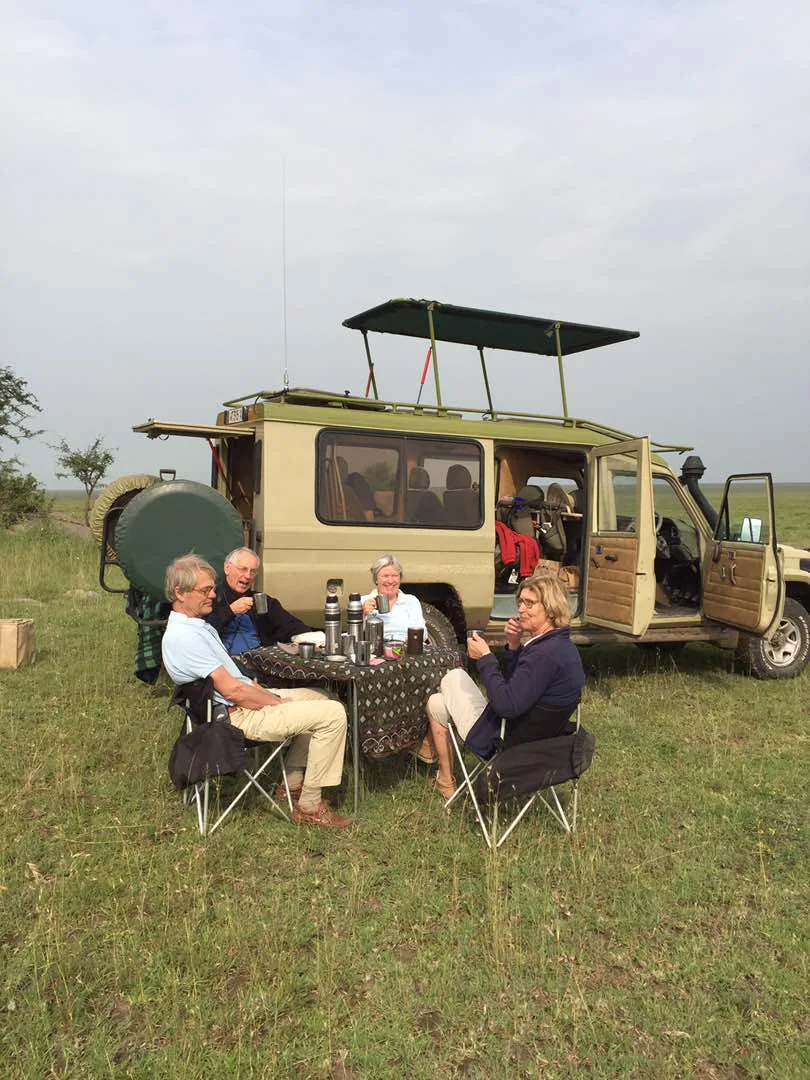
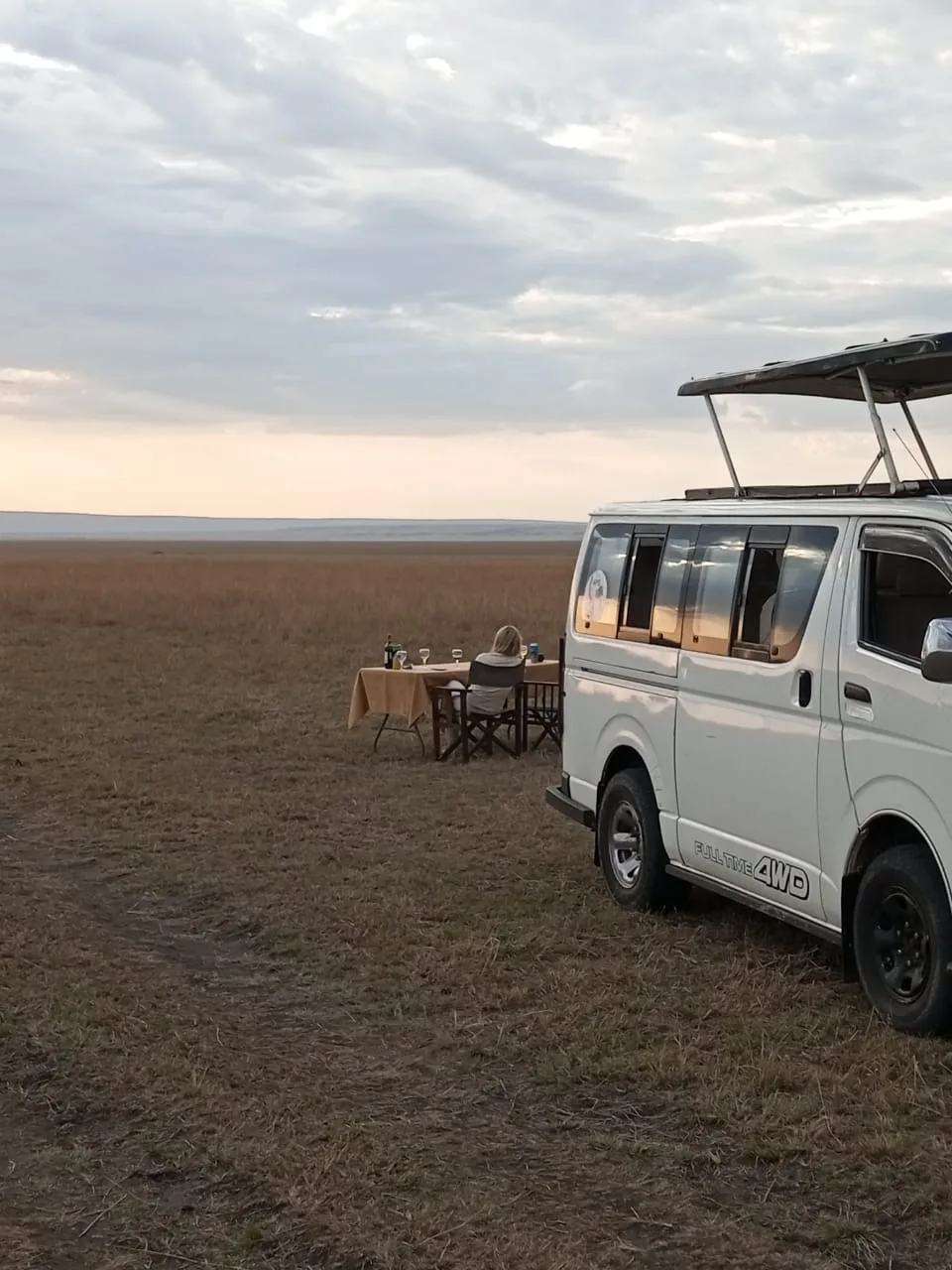
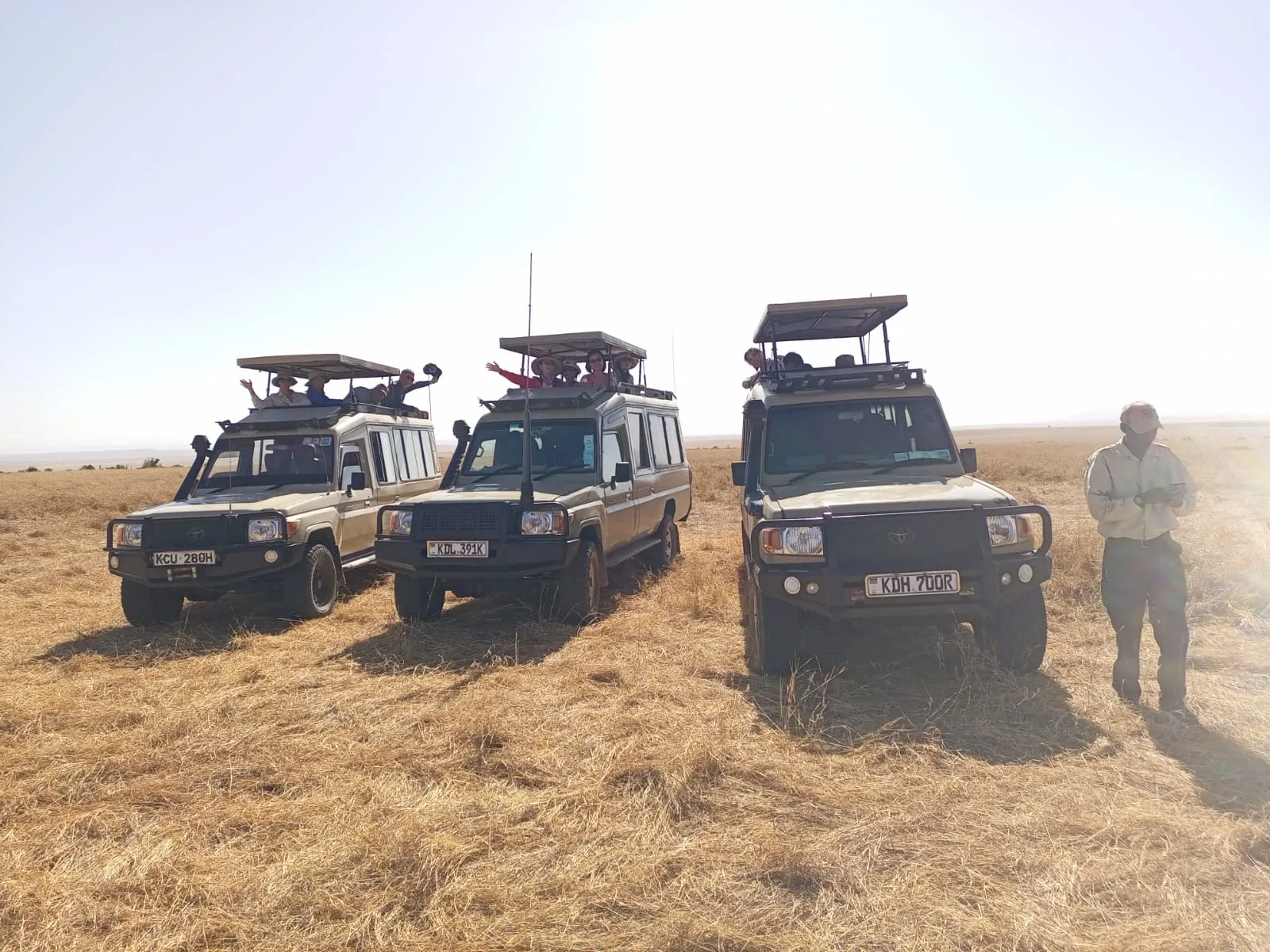
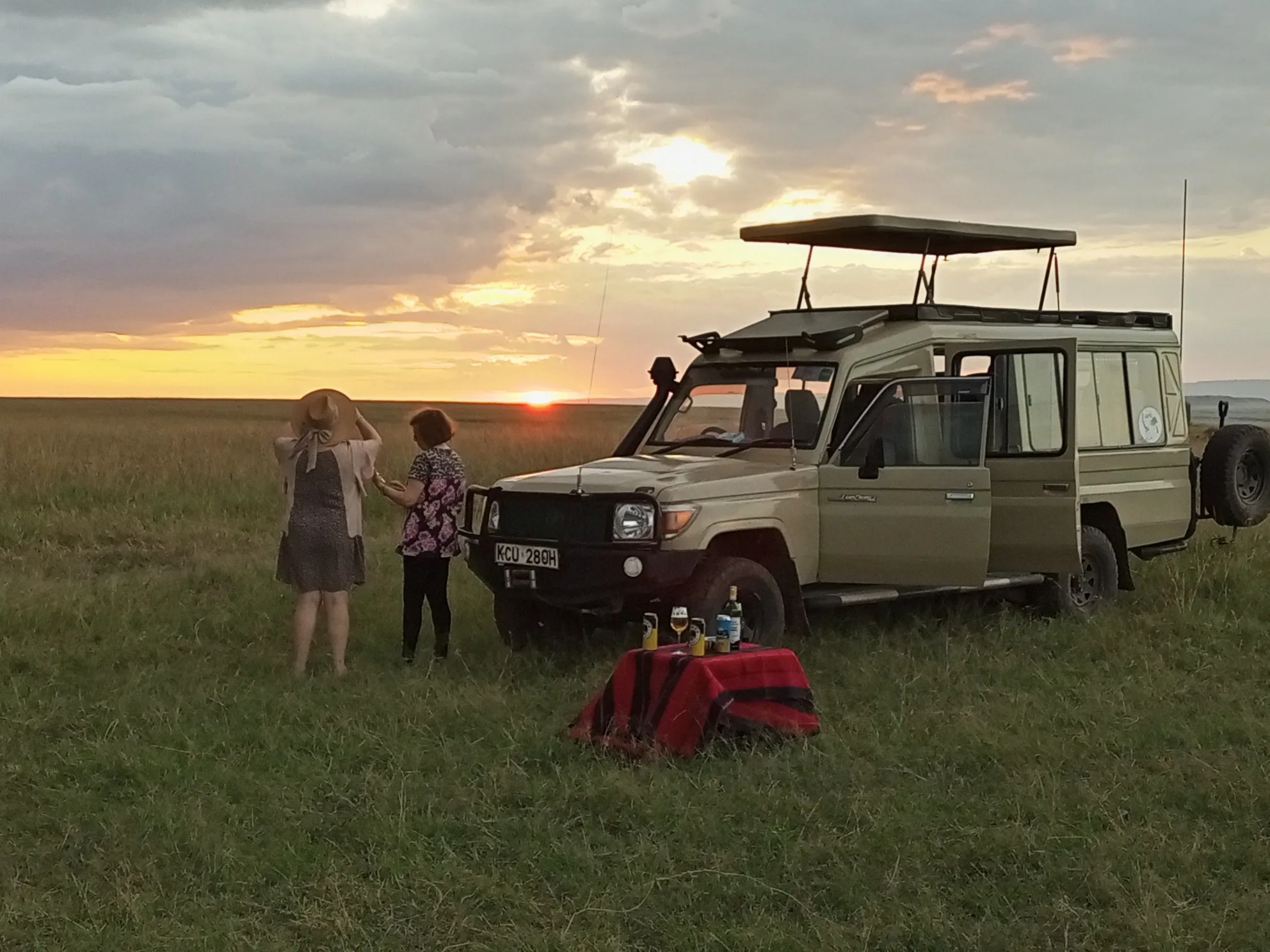
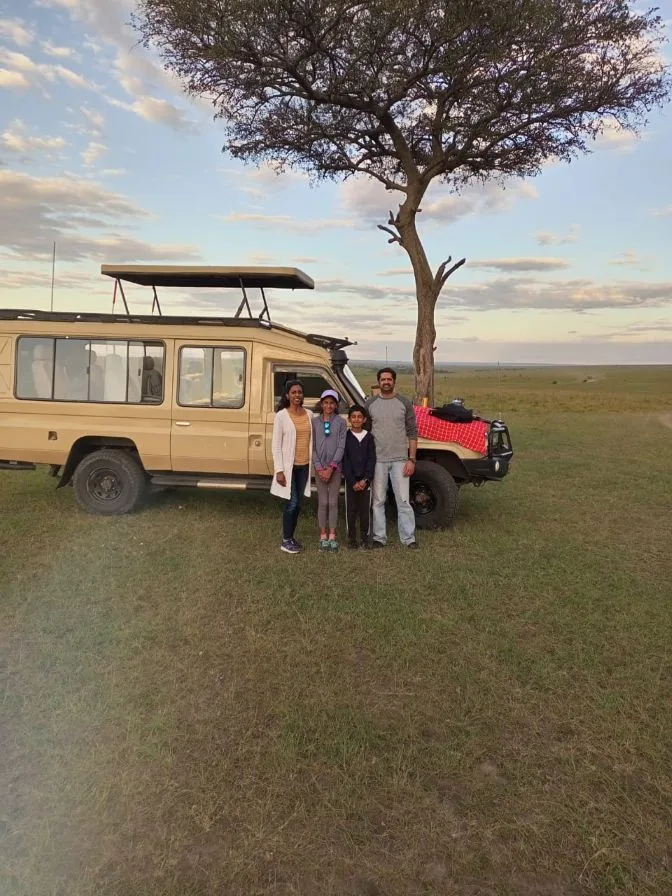
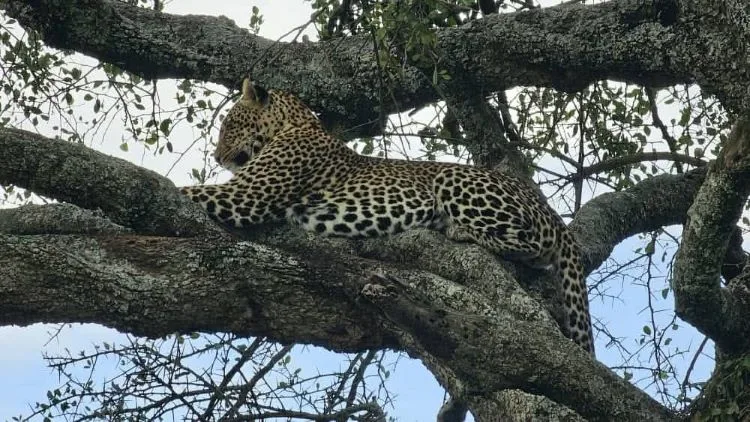
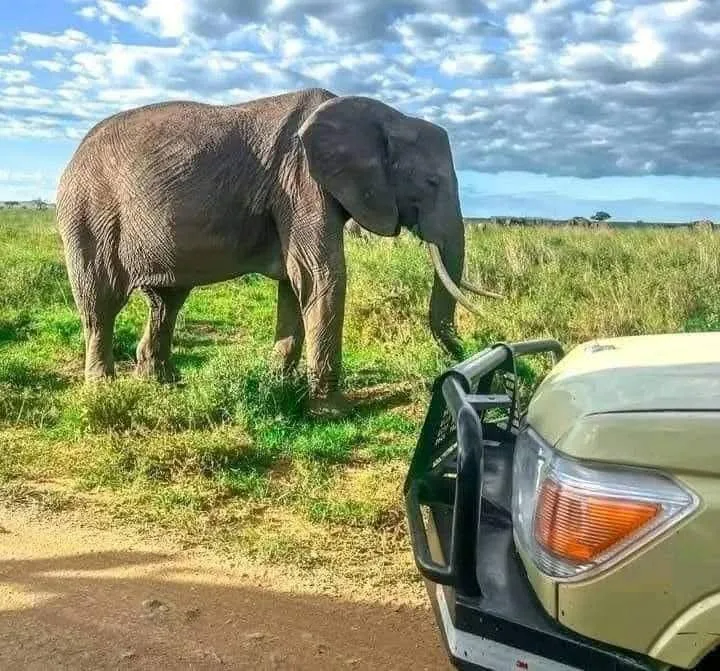
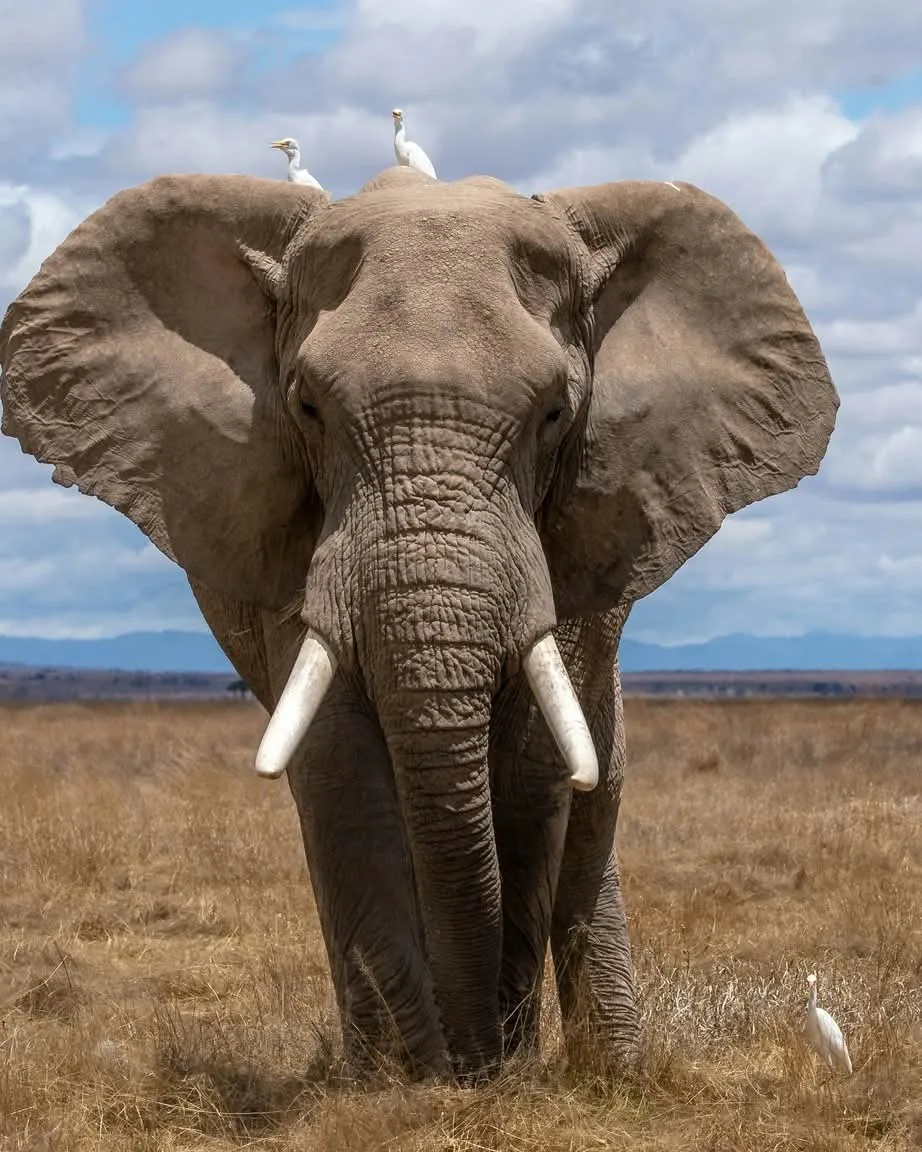
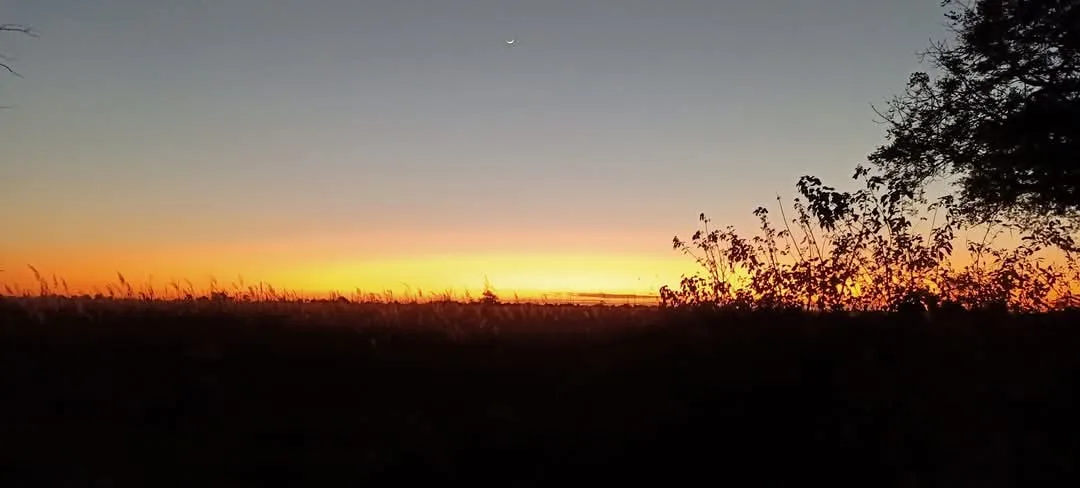
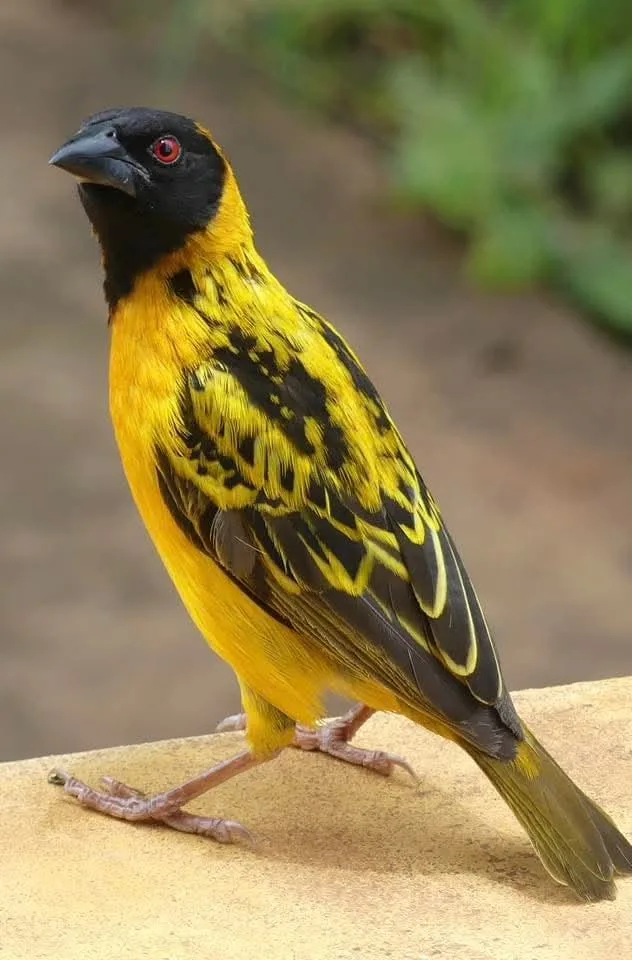
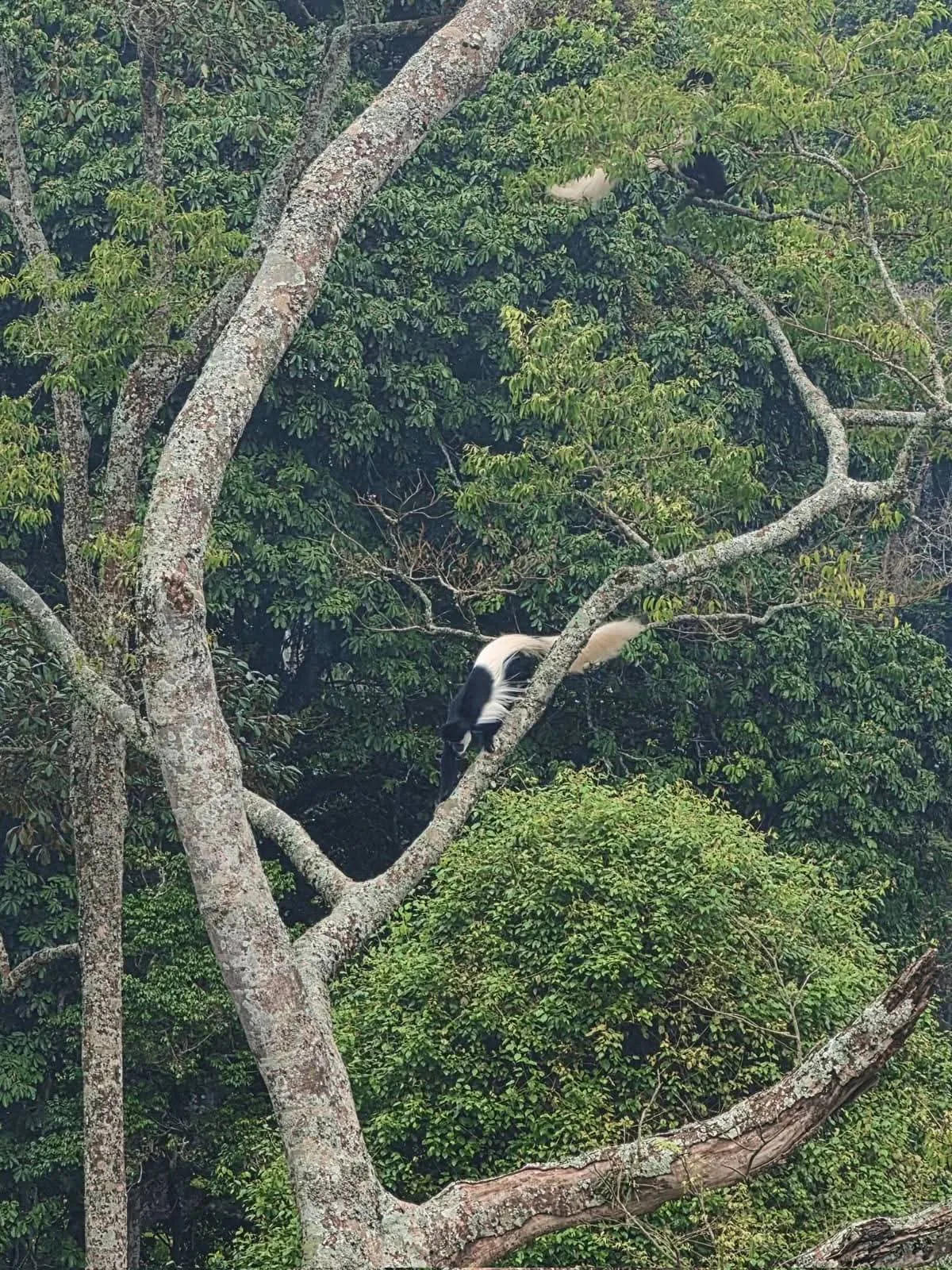
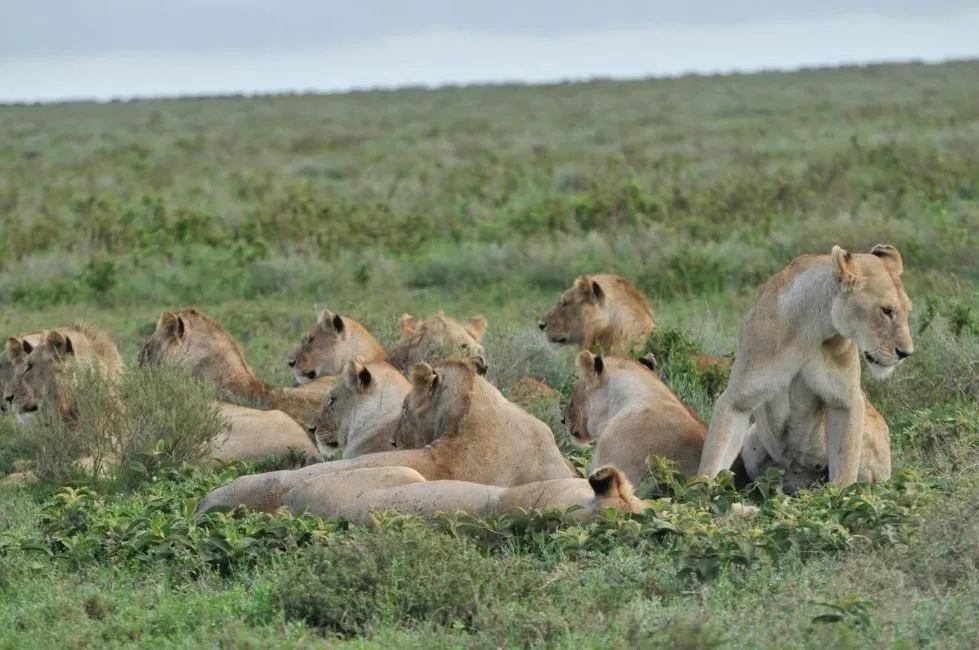
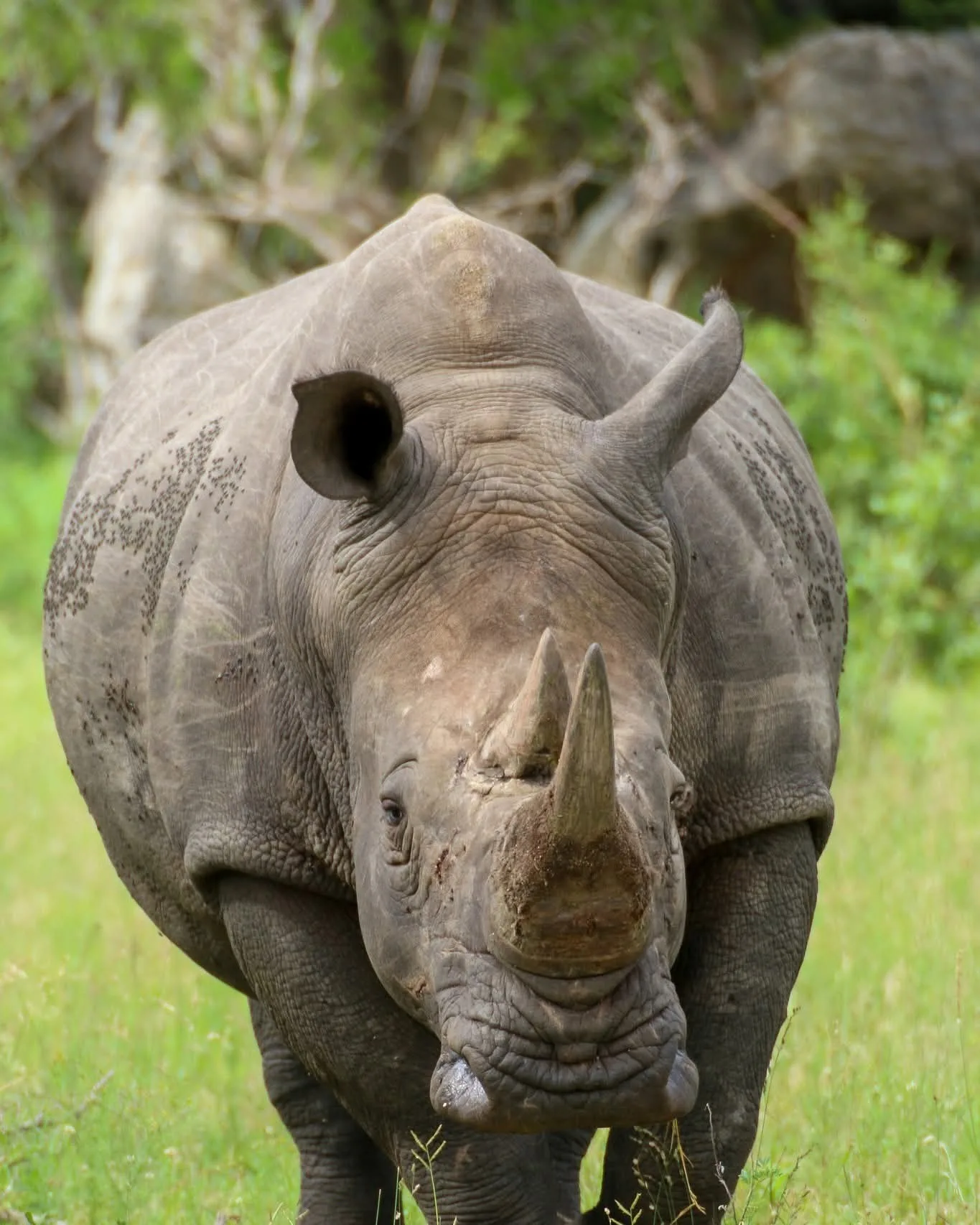
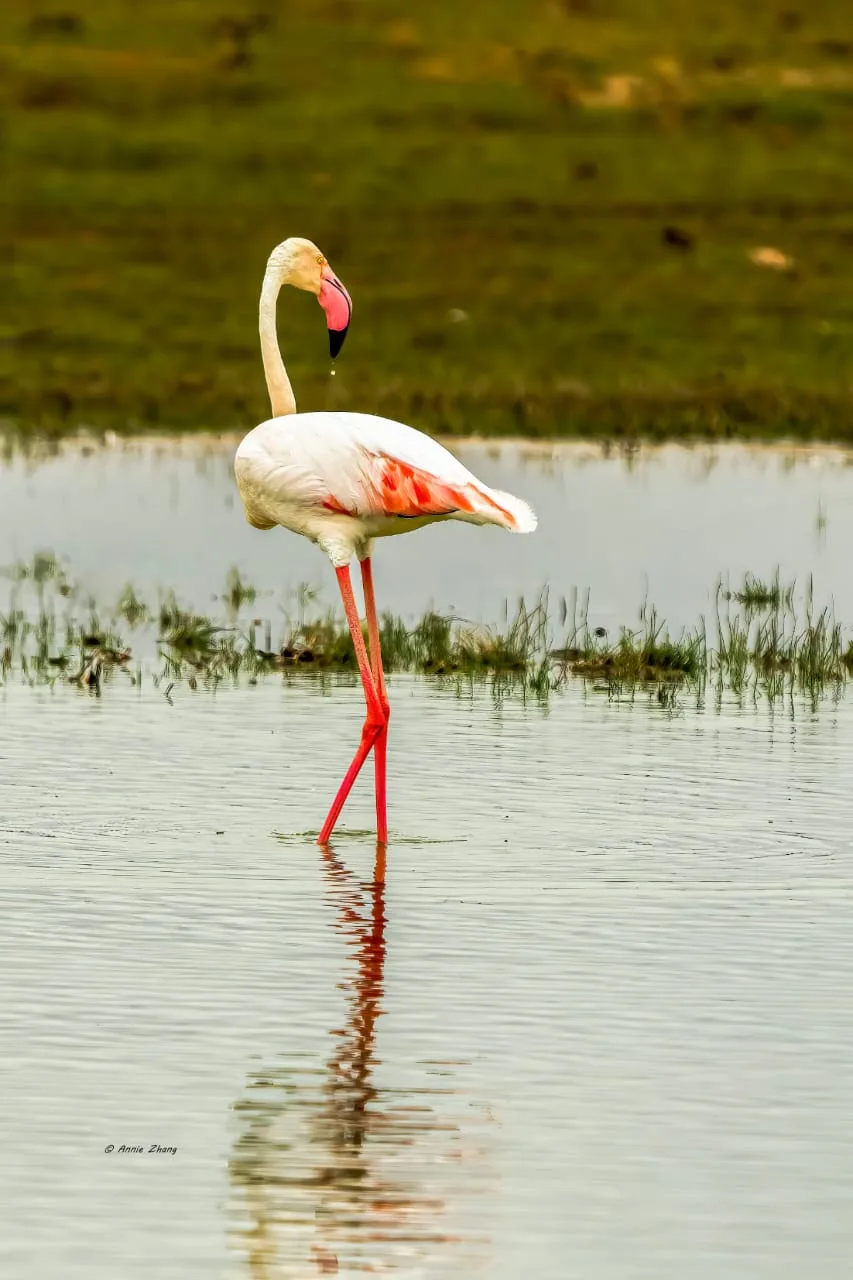
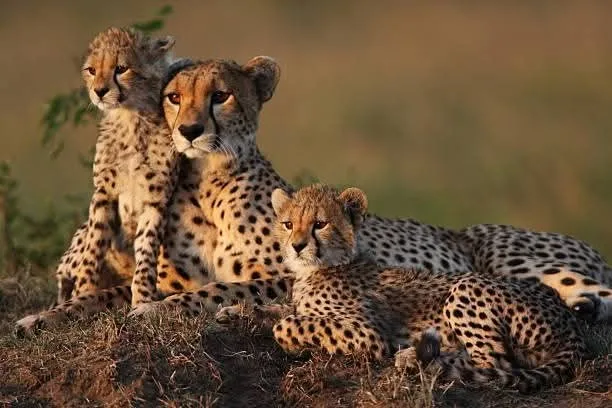
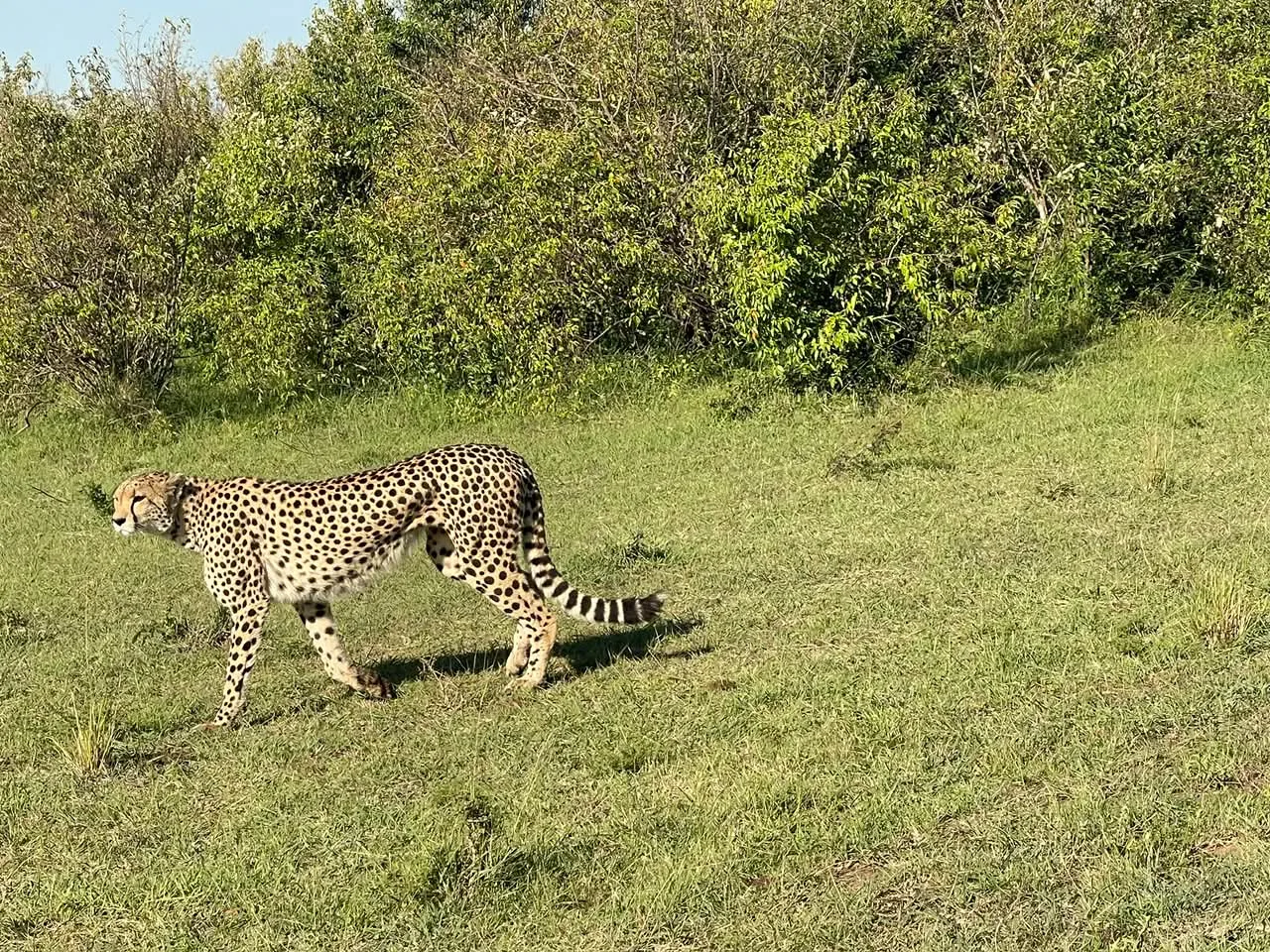
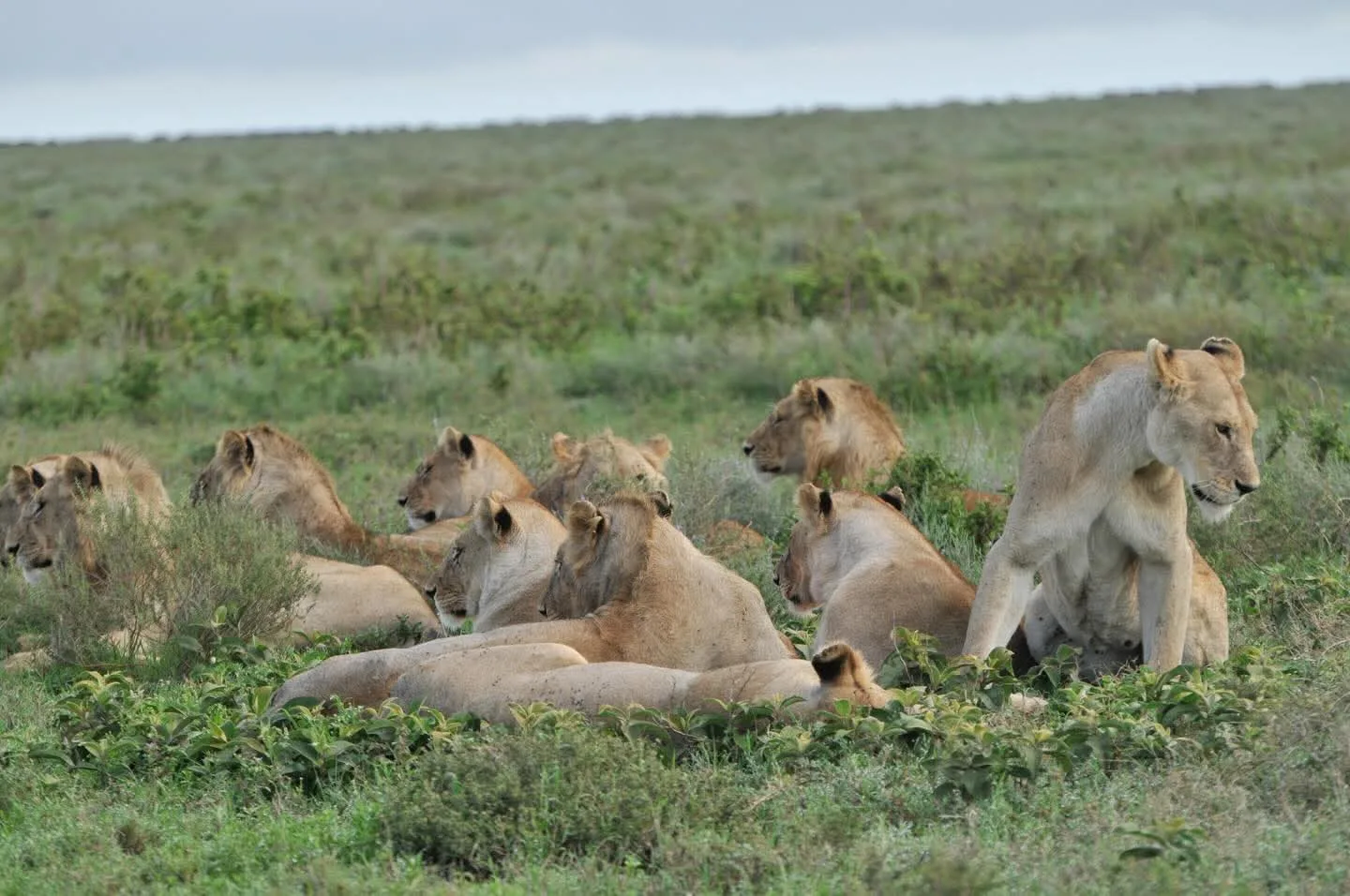
Best Time to Visit Kenya & Tanzania for a Safari Gallery
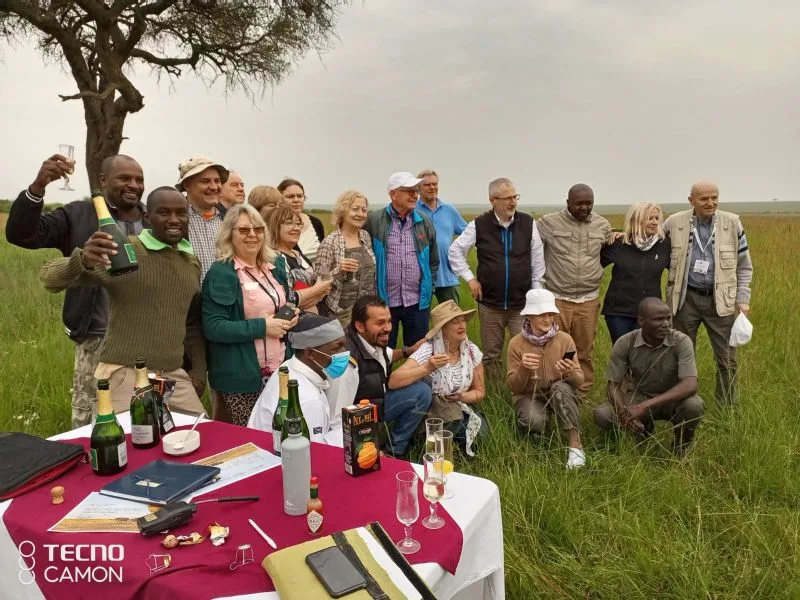
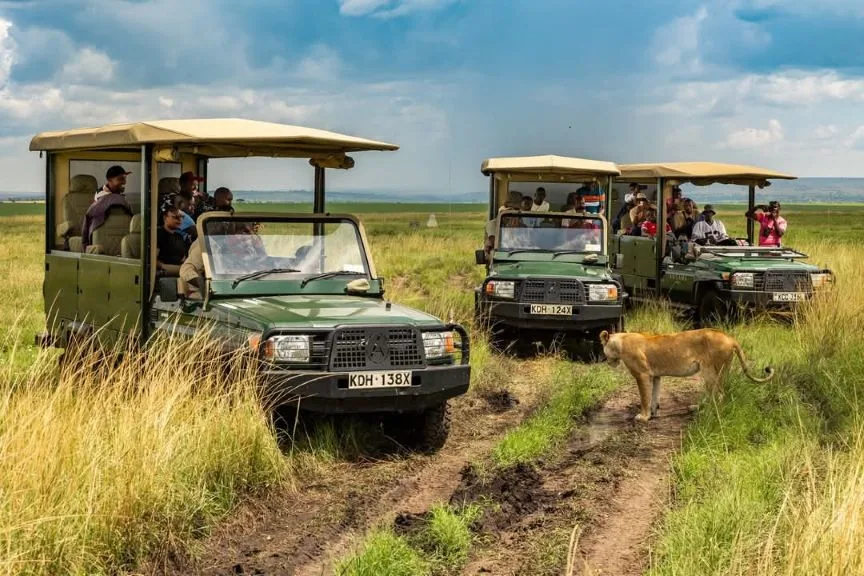
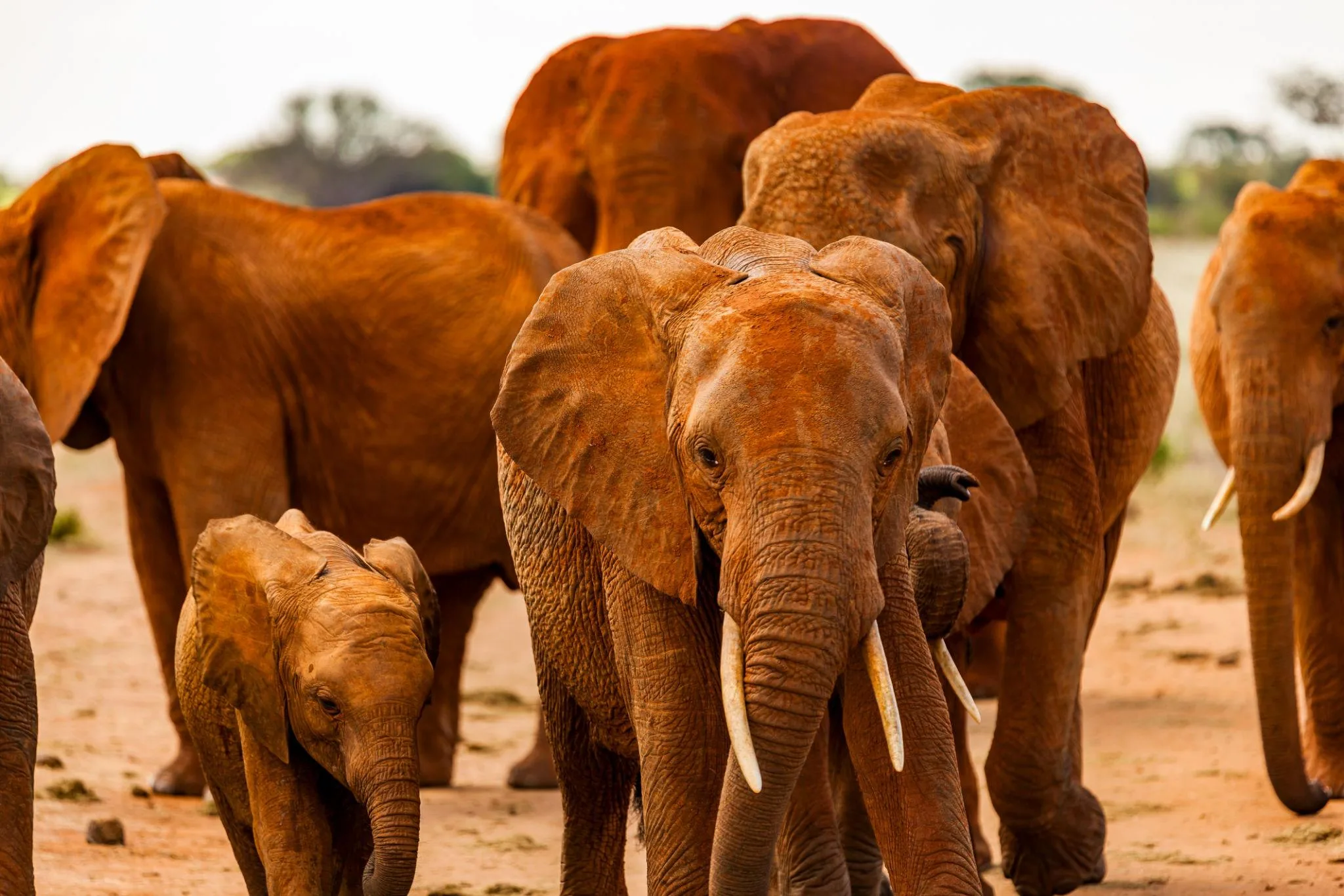
Why Visit Kenya & Tanzania for a Safari (2026/2027)
Planning an African safari is one of the most exciting travel experiences in the world, but choosing the best time to visit Kenya and Tanzania can make the difference between a good holiday and an unforgettable wildlife adventure. From witnessing the spectacular Great Wildebeest Migration across the Serengeti and Masai Mara to spotting the Big Five against the backdrop of Mount Kilimanjaro, every season offers something unique. Whether you're planning your first safari or returning to East Africa, understanding how weather, wildlife movements and seasonal conditions vary throughout the year will help you make the most of your journey in 2026, 2027 and beyond.
Kenya and Tanzania are home to some of Africa's most iconic national parks and wildlife reserves, including the Masai Mara National Reserve, Serengeti National Park, Amboseli National Park, Ngorongoro Crater, Tarangire National Park, Lake Nakuru National Park and Samburu National Reserve. While these destinations offer outstanding wildlife viewing throughout the year, the timing of your visit influences everything from animal concentrations and migration patterns to road conditions, accommodation availability, safari prices and photography opportunities. Some travellers visit specifically for the dramatic Mara River crossings between July and October, while others prefer the quieter green season for lush landscapes, newborn wildlife and excellent value.
This comprehensive 2026/2027 guide has been created by local East Africa safari specialists to help you decide exactly when to travel based on your interests, budget and preferred safari experience. You'll find a detailed month-by-month safari calendar, seasonal weather guide, wildlife viewing recommendations, migration timelines, destination comparisons, travel costs and expert planning advice for both Kenya and Tanzania. Whether your dream holiday includes a luxury fly-in safari, a family adventure, a romantic honeymoon, a photographic expedition or a combined safari and beach escape to Zanzibar or the Kenyan coast, this guide will help you choose the ideal travel period with confidence.
If you're still comparing safari options, explore our Kenya Safari Packages, browse our Tanzania Safari Packages, discover the Great Migration Safari Guide, or learn more about the Best Time to Visit Kenya and the Best Time to Visit Tanzania for destination-specific travel advice. By the end of this guide, you'll have everything you need to confidently plan the perfect East African safari at the right time of year.
Kenya & Tanzania Safari at a Glance (2026/2027)
Best Time at a Glance
| Safari Experience | Best Time to Visit | Why It's Recommended |
|---|---|---|
| Overall Best Time | June – October | Dry season with excellent wildlife viewing, comfortable weather and easier game drives. |
| Great Wildebeest Migration | July – October | Best time to witness dramatic Mara River crossings between the Serengeti and Masai Mara. |
| Big Five Safaris | June – October | Sparse vegetation and concentrated wildlife improve sightings of lions, elephants, leopards, rhinos and buffalo. |
| Calving Season | January – March | Thousands of wildebeest calves are born in the southern Serengeti, attracting predators and exceptional wildlife viewing. |
| Bird Watching | November – April | Migratory birds arrive, and landscapes become lush and colourful after seasonal rains. |
| Photography Safaris | January – March & July – October | Ideal light, dramatic wildlife encounters and diverse landscapes make these months perfect for photography. |
| Budget-Friendly Safaris | April – May | Lower accommodation rates and fewer visitors provide excellent value despite occasional rainfall. |
| Luxury Safaris | July – October | Peak safari season with premium camps offering outstanding wildlife experiences and exclusive services. |
| Family Safaris | June – August & December | School holiday periods coincide with pleasant weather and reliable wildlife viewing. |
| Honeymoon Safaris | January – March & July – October | Excellent weather, romantic safari camps and the option to combine wildlife adventures with Zanzibar or Diani Beach. |
| Safari & Beach Holidays | January – March & July – October | Combine iconic game viewing with sunny beach escapes along the Kenyan coast or Zanzibar. |
Seasonal Overview
| Season | Months | Weather | Wildlife | Visitor Numbers |
|---|---|---|---|---|
| Dry Season | June – October | Cool mornings and sunny days with little rainfall. | Outstanding game viewing as animals gather around water sources. | High |
| Short Rains | November – December | Warm temperatures with occasional afternoon showers. | Excellent birdlife, newborn animals and green landscapes. | Moderate |
| Calving Season | January – March | Warm and mostly dry. | Peak predator activity and wildebeest calving in the southern Serengeti. | Moderate to High |
| Long Rains | April – May | Frequent rainfall with lush scenery. | Good resident wildlife viewing and excellent value for budget-conscious travellers. | Low |
Safari Planning Snapshot
| Travel Goal | Recommended Months |
|---|---|
| First-Time Safari | June – October |
| Great Migration River Crossings | July – September |
| Big Five Wildlife Viewing | June – October |
| Wildebeest Calving | January – March |
| Bird Watching | November – April |
| Landscape Photography | January – March |
| Lower Safari Prices | April – May |
| Safari & Zanzibar Holiday | January – March or July – October |
Expert Insight
Plan Your Dream Kenya & Tanzania Safari with Local Experts
Whether you're travelling in 2026, 2027 or beyond, our experienced East Africa safari specialists will help you choose the perfect time to visit based on wildlife viewing, the Great Wildebeest Migration, weather, photography opportunities and your travel budget. From tailor-made private safaris to luxury escapes and family adventures, we'll design a personalised itinerary that makes the most of your chosen travel season.
Best Time to Visit Kenya & Tanzania by Month (2026/2027)
Best Time to Visit Kenya's Top Safari Destinations (2026/2027)
Kenya is home to some of Africa's most iconic safari destinations, each offering unique wildlife experiences throughout the year. While the country's renowned national parks and reserves provide excellent game viewing in every season, the best time to visit varies depending on your interests, whether you want to witness the Great Wildebeest Migration, photograph elephants beneath Mount Kilimanjaro, spot rare northern wildlife or enjoy quieter parks during the green season. Understanding the seasonal highlights of each destination will help you choose the ideal itinerary for your safari in 2026, 2027 and beyond.
Park entry fees, opening hours and conservation information are available from the Kenya Wildlife Service (KWS).
Masai Mara National Reserve
Best Time to Visit Masai Mara
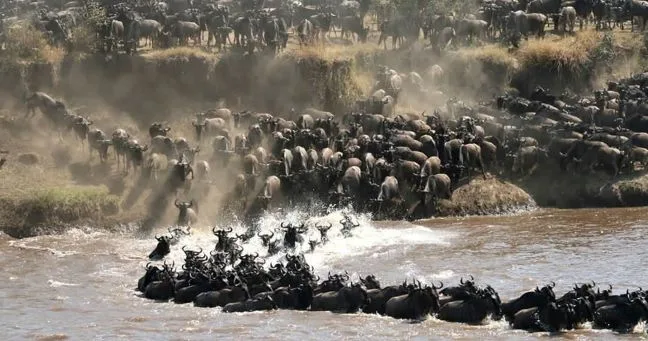
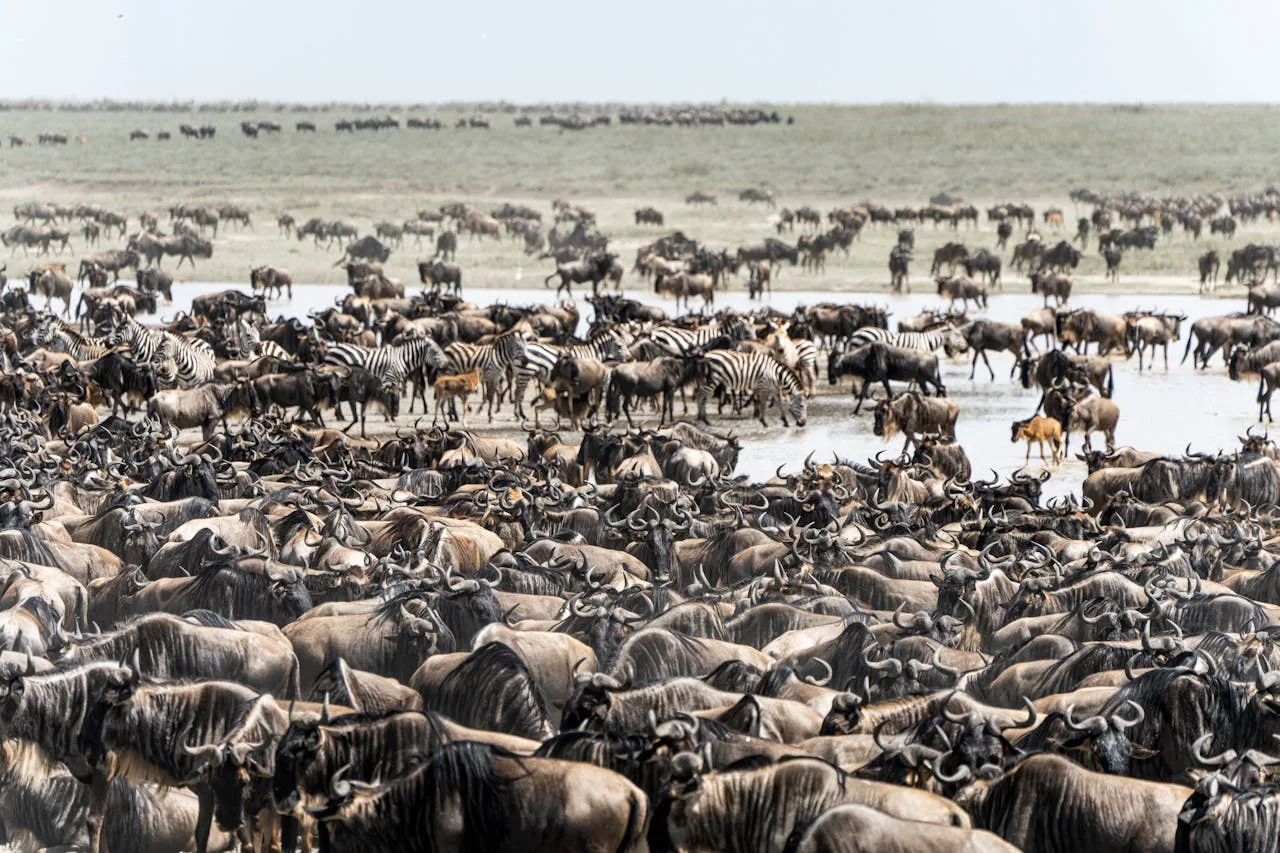
The Masai Mara National Reserve is Kenya's most famous safari destination and one of the best places in Africa to see the Big Five throughout the year. Although wildlife viewing is excellent in every season, the reserve is internationally renowned for the Great Wildebeest Migration, when more than a million wildebeest and zebras arrive from Tanzania between July and October. During these months, visitors can witness dramatic Mara River crossings, exceptional predator action and some of the highest wildlife concentrations in East Africa.
Visitors planning to focus their trip on the Kenyan migration season can explore our 4-day Great Migration safari in Kenya, which includes three nights in the Masai Mara and two full game-viewing days for guides to respond to current herd positions and wildlife activity.
Outside the migration season, the Masai Mara remains an outstanding destination thanks to its resident lions, leopards, elephants, buffalo, cheetahs and abundant plains game. The green season from November to May offers lush landscapes, fewer crowds, lower accommodation rates and excellent wildlife photography, making it an attractive option for travellers seeking a quieter safari.
Masai Mara at a Glance
| Category | Details |
|---|---|
| Best Time to Visit | July – October |
| Good All Year? | Yes |
| Top Wildlife | Big Five, wildebeest, zebras, cheetahs, hyenas, crocodiles |
| Best For | Great Migration, Big Five, photography, family safaris |
| Safari Rating | ⭐⭐⭐⭐⭐ |
Expert Tip
Stay at least three to four nights to maximise your chances of witnessing multiple Mara River crossings and exploring different areas of the reserve.
Amboseli National Park
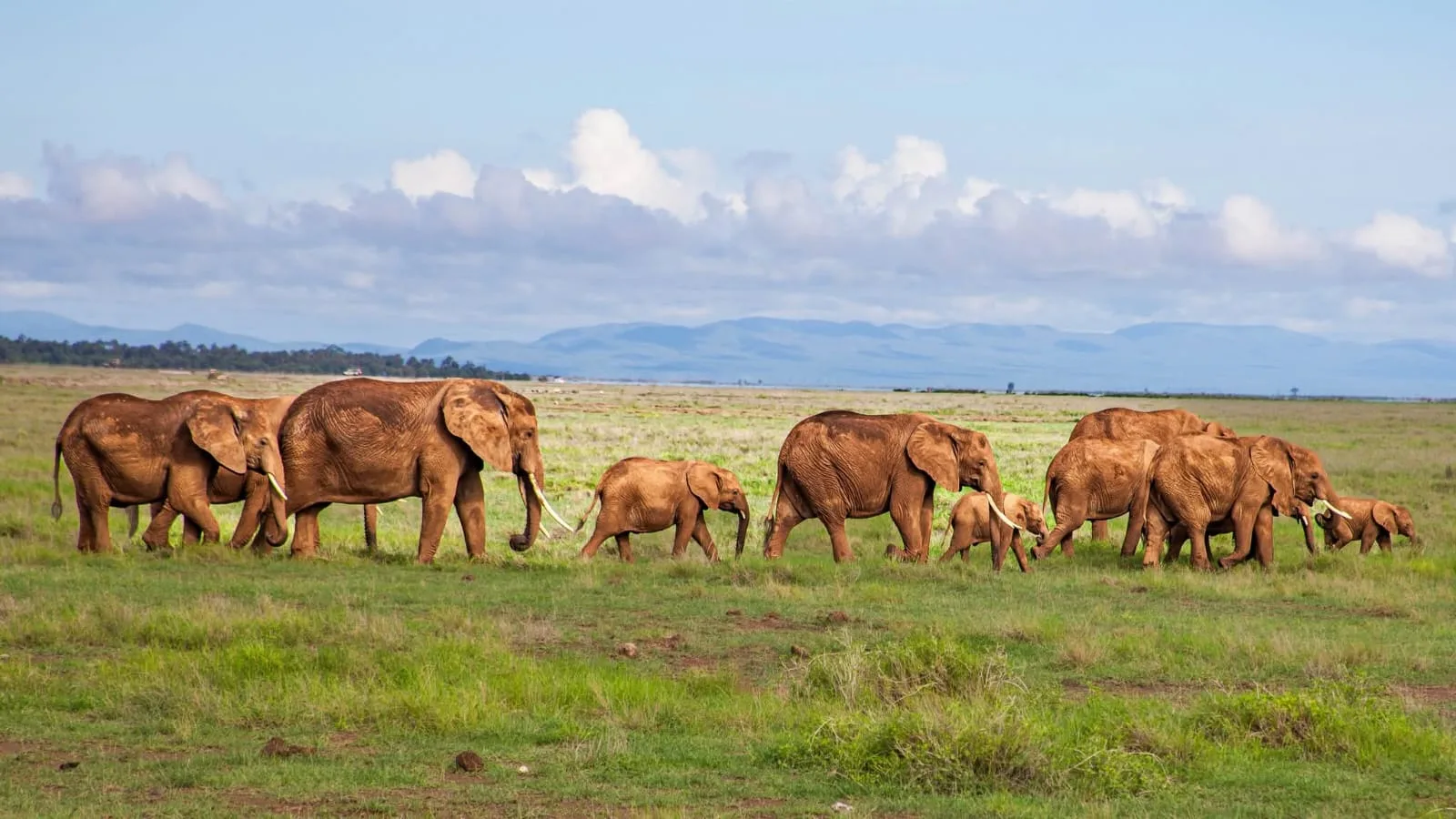
Best Time to Visit Amboseli National Park
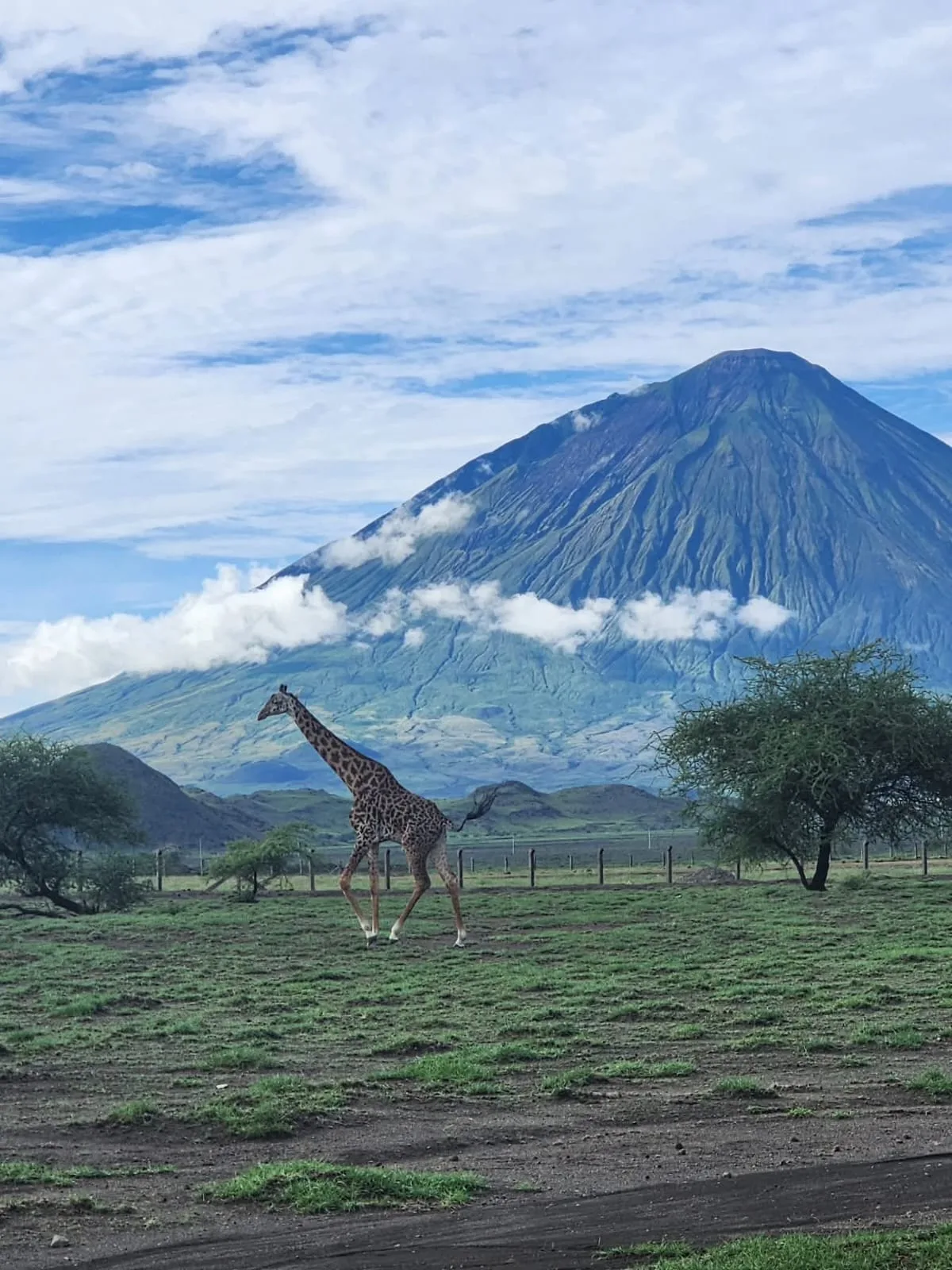
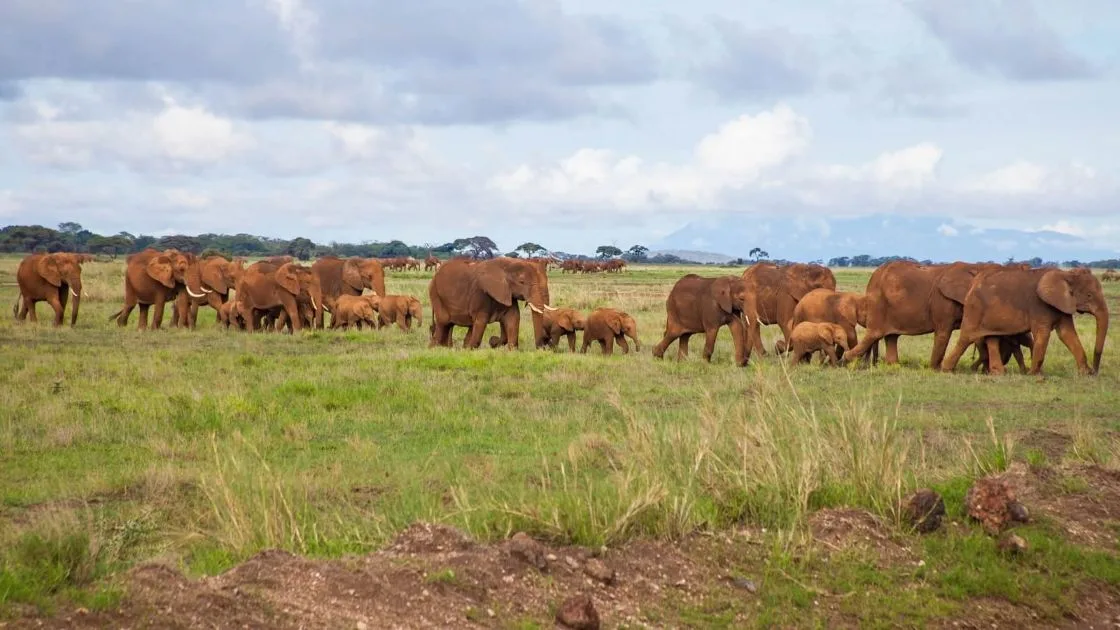
Amboseli National Park is famous for its enormous elephant herds and breathtaking views of Mount Kilimanjaro, making it one of Kenya's most photographed safari destinations. The dry season from June to October offers the most reliable wildlife viewing, as elephants, buffalo, zebras and other animals gather around permanent swamps and water sources. Clear skies also provide the best opportunity to photograph Africa's highest mountain.
The green seasons between November and May transform Amboseli into a lush wetland paradise, attracting migratory birds and offering quieter game drives with fewer visitors.
Amboseli at a Glance
| Category | Details |
|---|---|
| Best Time to Visit | June – October |
| Good All Year? | Yes |
| Top Wildlife | Elephants, lions, cheetahs, buffalo, giraffes, hyenas |
| Best For | Elephant photography, Mount Kilimanjaro views, family safaris |
| Safari Rating | ⭐⭐⭐⭐⭐ |
Expert Tip
Early mornings provide the clearest views of Mount Kilimanjaro before clouds gather around the summit.
Samburu National Reserve
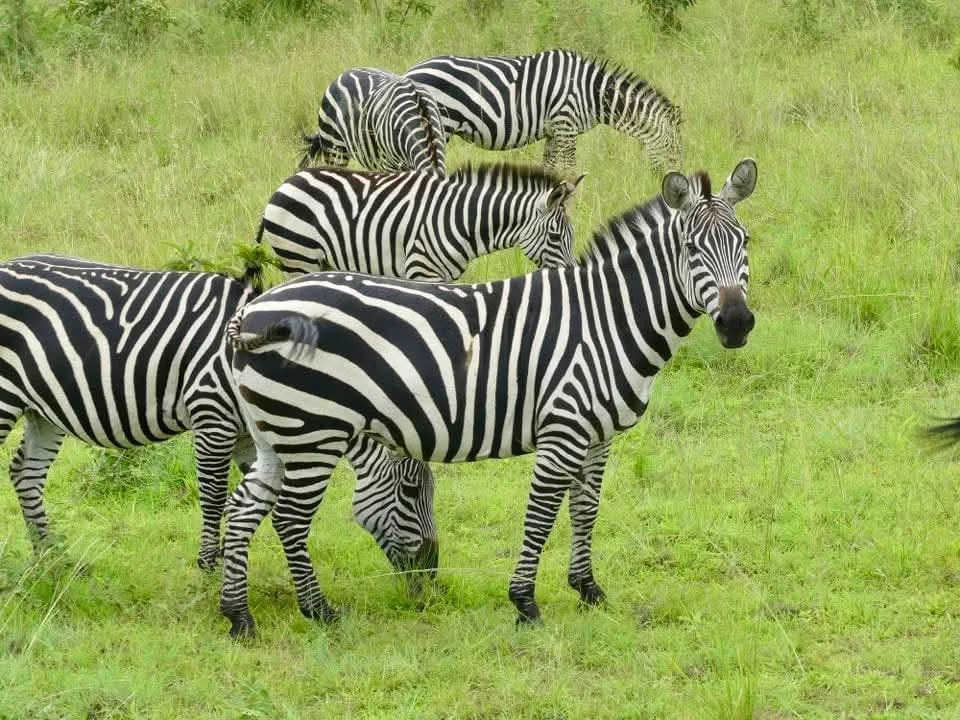
Best Time to Visit Samburu National Reserve
Located in northern Kenya, Samburu National Reserve offers a very different safari experience from the southern parks. It is renowned for the Samburu Special Five—Grevy's zebra, reticulated giraffe, Somali ostrich, Beisa oryx and gerenuk—as well as healthy populations of elephants, lions and leopards.
Wildlife viewing is best during the dry seasons from June to October and January to March, when animals gather along the Ewaso Ng'iro River. Samburu also offers excellent year-round game viewing because wildlife depends heavily on the permanent river.
Samburu at a Glance
| Category | Details |
|---|---|
| Best Time to Visit | June – October & January – March |
| Good All Year? | Yes |
| Top Wildlife | Samburu Special Five, elephants, lions, leopards |
| Best For | Rare wildlife, photography, repeat safari visitors |
| Safari Rating | ⭐⭐⭐⭐⭐ |
Expert Tip
Samburu combines perfectly with the Masai Mara and Amboseli for travellers seeking Kenya's diverse ecosystems in one itinerary.
Lake Nakuru National Park
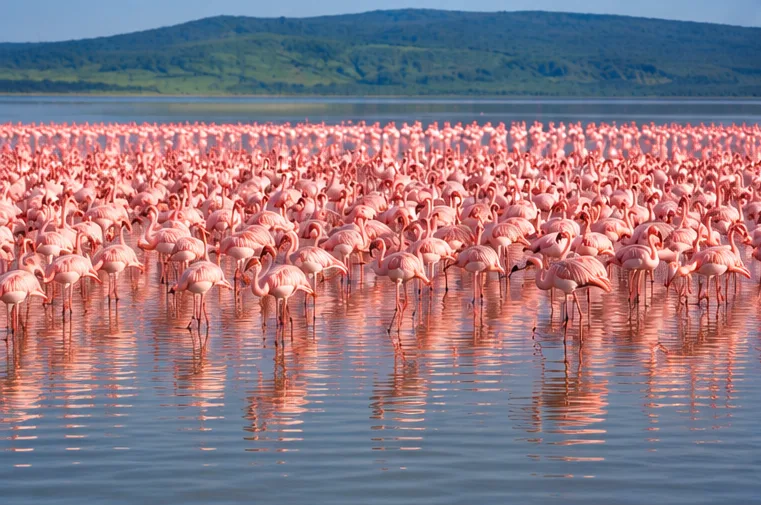
Best Time to Visit Lake Nakuru National Park
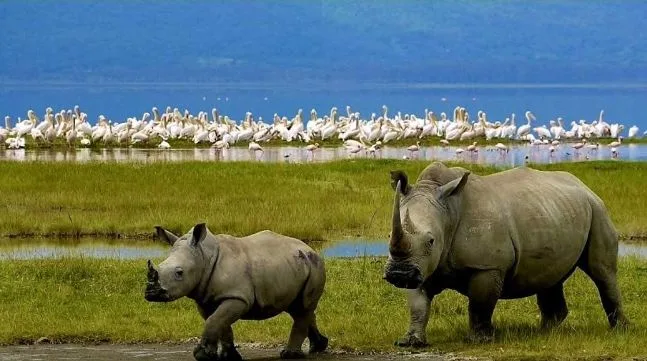
Lake Nakuru National Park is one of Kenya's premier destinations for seeing black and white rhinos. The park also supports Rothschild's giraffes, lions, leopards, buffalo and an impressive variety of birdlife. While flamingo numbers vary depending on water levels, the lake continues to attract pelicans and numerous aquatic species.
The best wildlife viewing generally occurs during the dry season from June to October, although rhinos and other resident wildlife can be seen throughout the year.
Lake Nakuru at a Glance
| Category | Details |
|---|---|
| Best Time to Visit | June – October |
| Good All Year? | Yes |
| Top Wildlife | Black rhino, white rhino, lions, leopards, Rothschild's giraffes |
| Best For | Rhino tracking, birdwatching, short safaris |
| Safari Rating | ⭐⭐⭐⭐☆ |
Expert Tip
Early morning game drives provide excellent opportunities to photograph rhinos before temperatures rise.
Tsavo East & Tsavo West National Parks
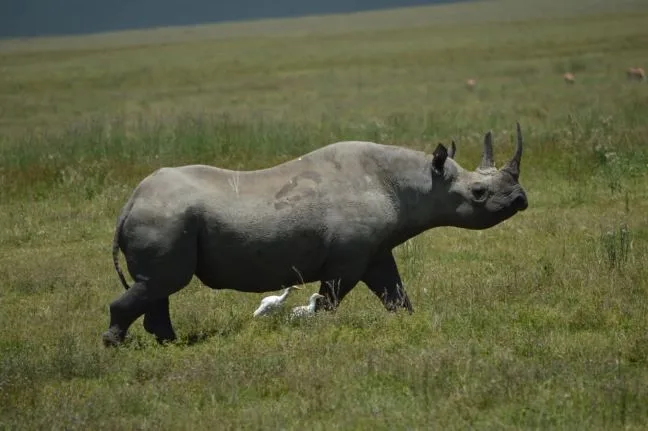
Best Time to Visit Tsavo National Parks
Together, Tsavo East and Tsavo West National Parks form one of Africa's largest protected ecosystems. These parks are famous for red-dust elephants, dramatic volcanic landscapes, lava flows, Mzima Springs and diverse wildlife.
The dry seasons from June to October and January to March provide the best wildlife viewing as vegetation becomes thinner and animals gather around waterholes. Tsavo is an excellent choice for travellers combining a safari with a beach holiday from Mombasa or Diani.
Tsavo at a Glance
| Category | Details |
|---|---|
| Best Time to Visit | June – October & January –March |
| Good All Year? | Yes |
| Top Wildlife | Elephants, lions, leopards, buffalo, hippos, crocodiles |
| Best For | Wildlife & beach holidays, scenic landscapes, family safaris |
| Safari Rating | ⭐⭐⭐⭐⭐ |
Expert Tip
Spend at least one night in each park to experience Tsavo's contrasting landscapes and maximise wildlife viewing opportunities.
Ol Pejeta Conservancy
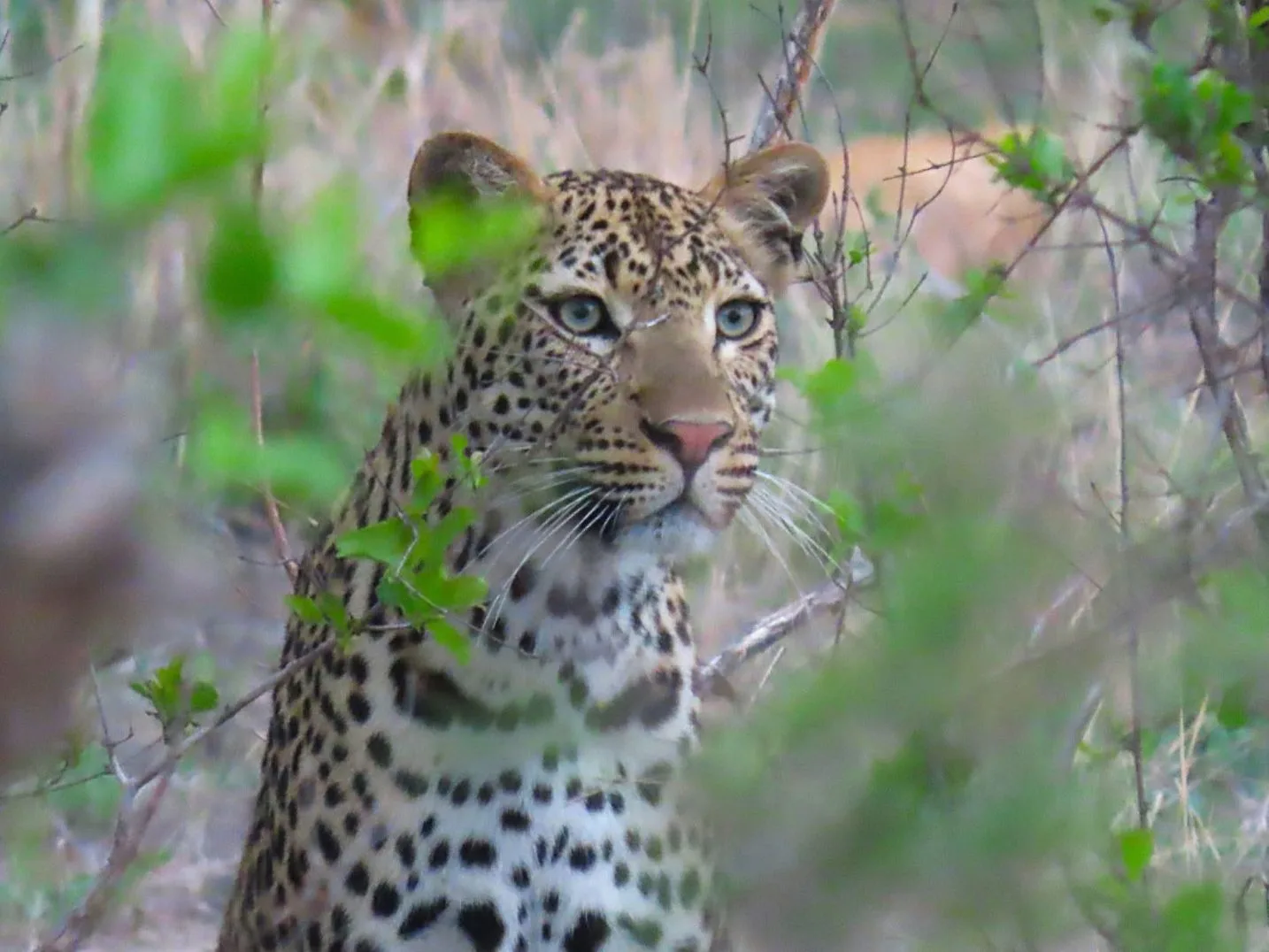
Best Time to Visit Ol Pejeta Conservancy
Located between the foothills of Mount Kenya and the Laikipia Plateau, Ol Pejeta Conservancy is one of East Africa's leading conservation success stories. It is the best place in Kenya to see black rhinos, the last two remaining northern white rhinos, and large populations of elephants, lions, buffalo and chimpanzees at the Sweetwaters Chimpanzee Sanctuary.
Wildlife viewing is excellent year-round, but the dry seasons from June to October and January to March provide the easiest game viewing and the clearest conditions for photography.
Ol Pejeta at a Glance
| Category | Details |
|---|---|
| Best Time to Visit | June – October & January – March |
| Good All Year? | Yes |
| Top Wildlife | Black rhinos, northern white rhinos, chimpanzees, elephants, lions |
| Best For | Conservation experiences, rhino tracking, family safaris |
| Safari Rating | ⭐⭐⭐⭐⭐ |
Expert Tip
Include the Sweetwaters Chimpanzee Sanctuary and a visit to the endangered northern white rhinos to gain a deeper appreciation of Kenya's conservation efforts.
Explore Kenya's Most Iconic Safari Destinations
Whether you're dreaming of the Great Wildebeest Migration in the Masai Mara, photographing elephants beneath Mount Kilimanjaro in Amboseli, discovering the Samburu Special Five, or tracking endangered rhinos in Ol Pejeta Conservancy, our safari specialists will help you choose the perfect destination and travel season for an unforgettable adventure.
Best Time to Visit Tanzania's Top Safari Destinations (2026/2027)
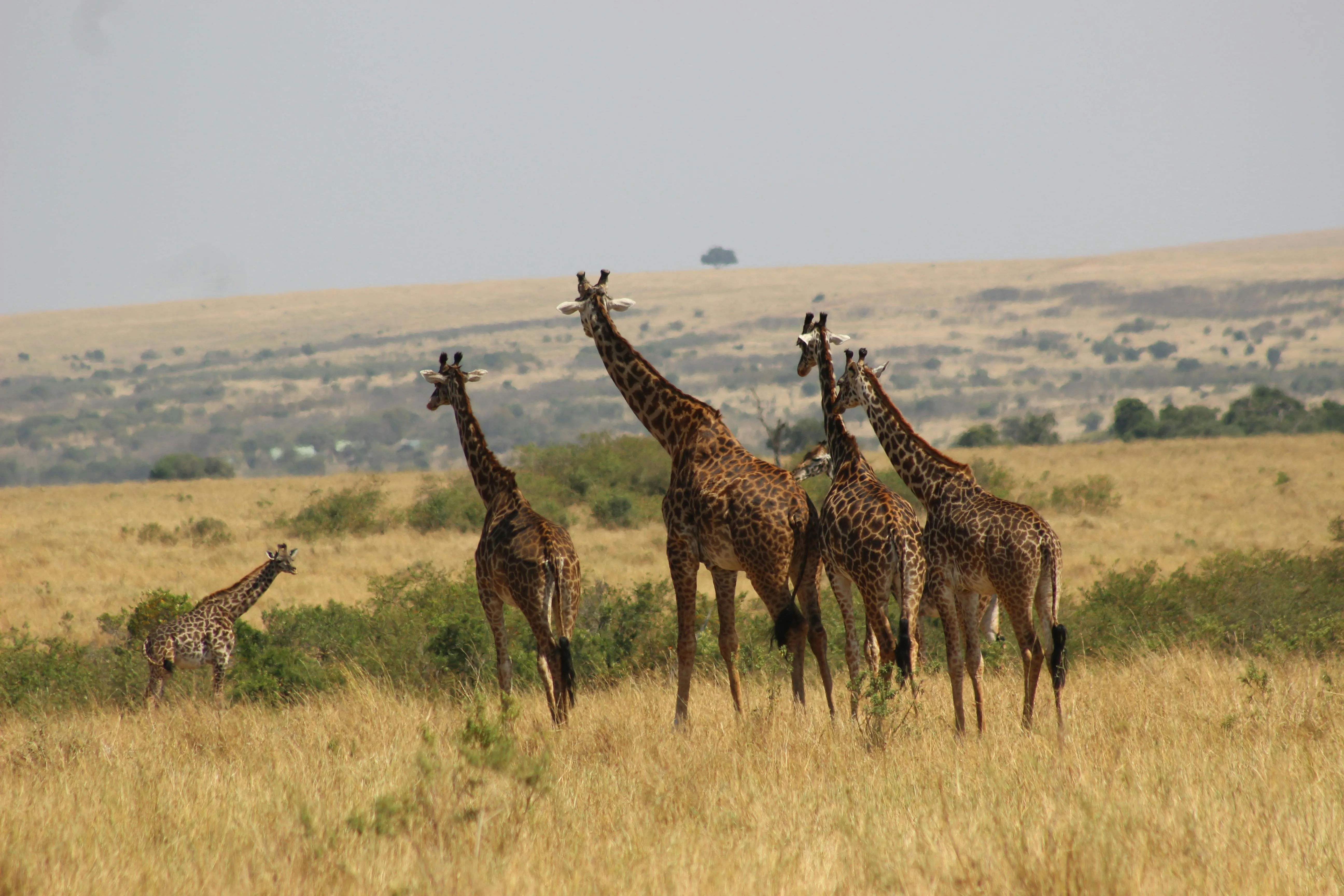
Tanzania is home to some of Africa's most spectacular safari destinations, from the endless plains of the Serengeti National Park to the wildlife-rich Ngorongoro Crater, the giant elephant herds of Tarangire National Park, and the pristine wilderness of Ruaha and Nyerere National Park. Every destination offers remarkable wildlife experiences throughout the year, but the best time to visit depends on what you hope to see. Whether you're planning to witness the Great Wildebeest Migration, photograph the Big Five, enjoy a luxury fly-in safari or combine wildlife with a relaxing beach holiday in Zanzibar, understanding each destination's seasonal highlights will help you plan the perfect Tanzania safari in 2026, 2027 and beyond.
Official park regulations and conservation updates can be found through Tanzania National Parks (TANAPA).
Serengeti National Park
Best Time to Visit Serengeti National Park
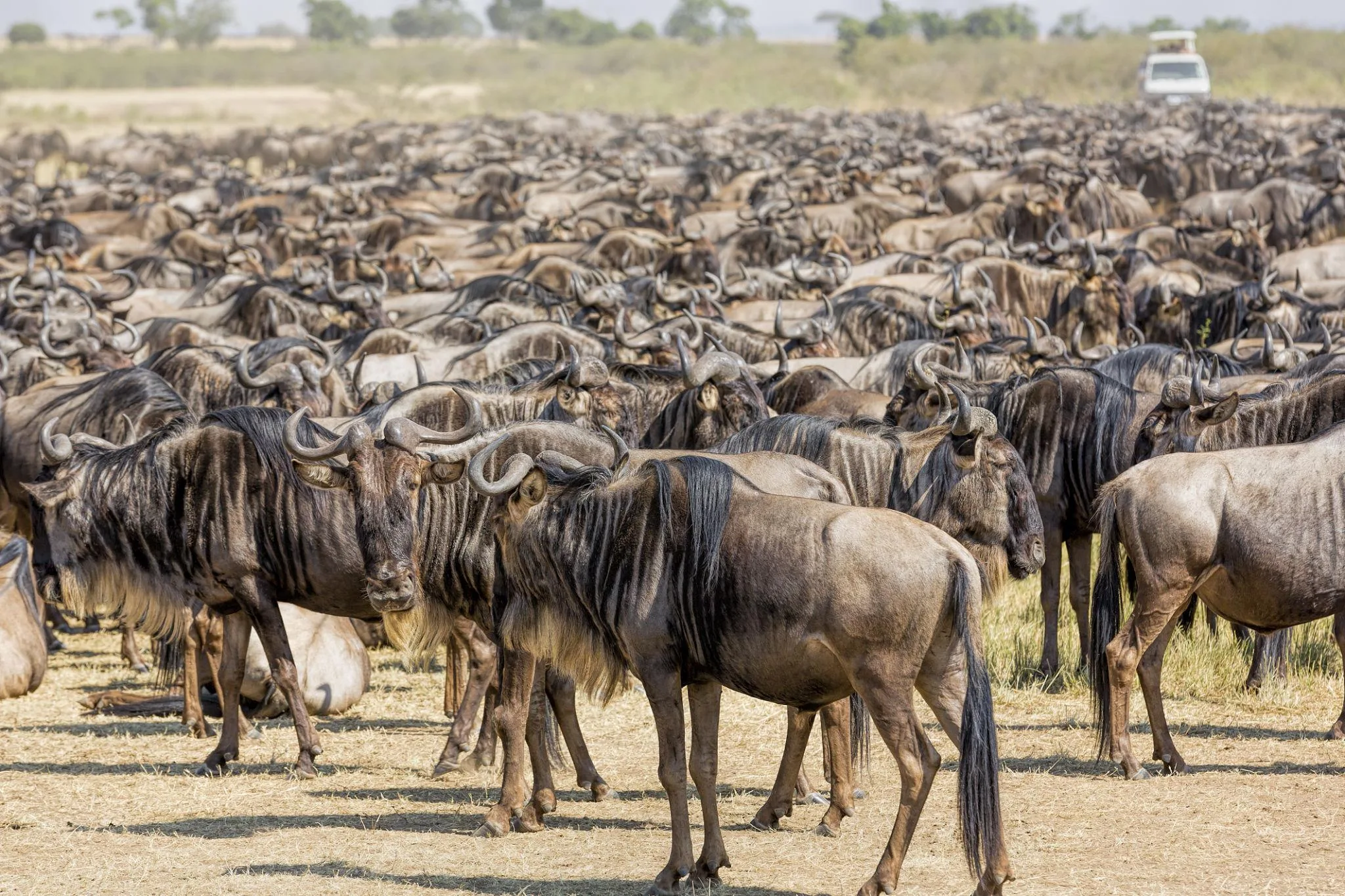
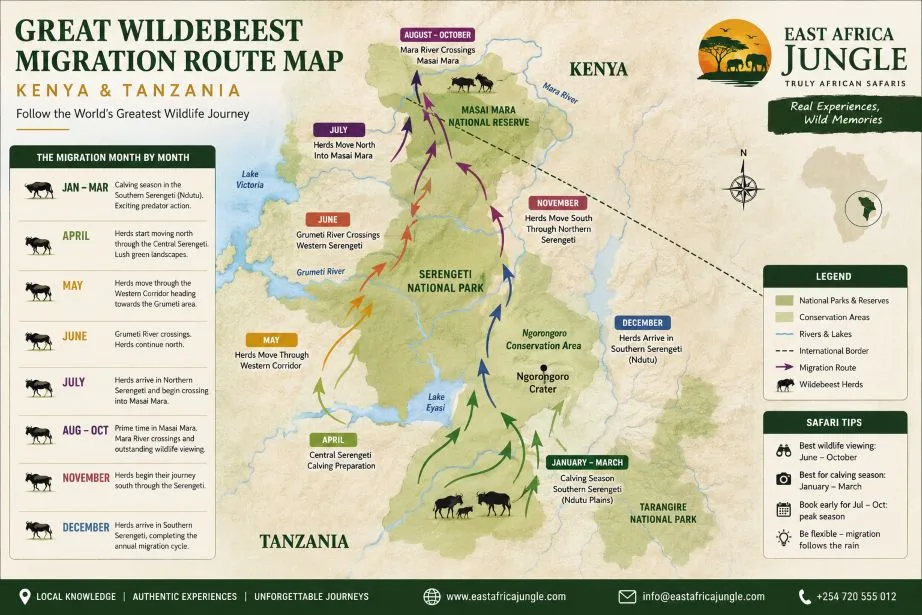
The Serengeti National Park is one of the world's greatest wildlife destinations and the stage for the legendary Great Wildebeest Migration. Unlike many safari destinations, the Serengeti offers incredible wildlife viewing throughout the year because the migration continuously moves through different regions of the ecosystem. From January to March, the Southern Serengeti hosts the spectacular calving season, while June brings the Grumeti River crossings. Between July and October, the migration reaches the Northern Serengeti, where dramatic Mara River crossings attract travellers from around the globe.
Beyond the migration, the Serengeti supports healthy populations of lions, leopards, cheetahs, elephants, buffalo, giraffes, hyenas and countless plains game, making it one of Africa's best destinations for year-round safaris.
Serengeti at a Glance
| Category | Details |
|---|---|
| Best Time to Visit | Year-round (depending on the migration stage) |
| Peak Season | July – October |
| Calving Season | January – March |
| Top Wildlife | Great Migration, Big Five, cheetahs, hyenas and crocodiles |
| Best For | Great Migration, photography, luxury safaris and first-time visitors |
| Safari Rating | ⭐⭐⭐⭐⭐ |
Expert Tip
The Serengeti offers exceptional safaris every month. Choose your travel dates based on which stage of the Great Wildebeest Migration you want to experience rather than focusing only on the Mara River crossings.
Ngorongoro Crater
Best Time to Visit Ngorongoro Crater
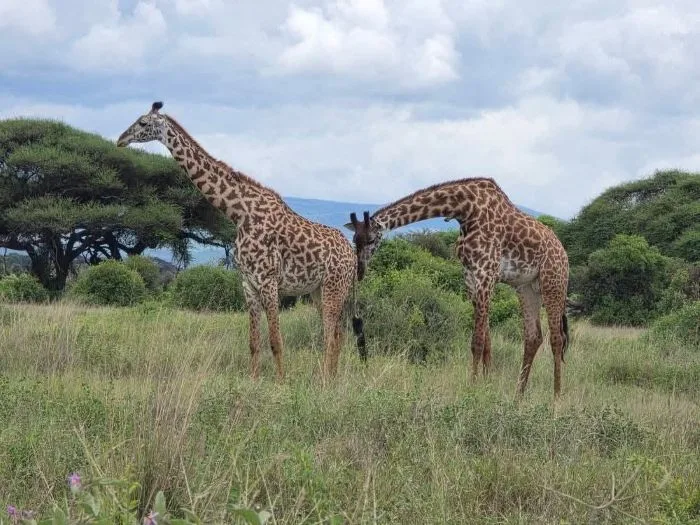
Often called Africa's Garden of Eden, the Ngorongoro Crater is one of the easiest places in East Africa to see the Big Five in a single day. The crater's permanent water sources and nutrient-rich grasslands support abundant resident wildlife throughout the year, including lions, elephants, buffalo, spotted hyenas and one of Tanzania's best populations of black rhinos.
Although wildlife viewing is excellent in every season, the dry months from June to October provide the clearest conditions and easiest game viewing. During the green season, the crater becomes especially beautiful, with lush vegetation and excellent birdwatching opportunities.
Ngorongoro at a Glance
| Category | Details |
|---|---|
| Best Time to Visit | June – October |
| Good All Year? | Yes |
| Top Wildlife | Big Five, black rhinos, lions, elephants, flamingos and hyenas |
| Best For | Big Five safaris, photography, luxury safaris and family holidays |
| Safari Rating | ⭐⭐⭐⭐⭐ |
Expert Tip
Arrive at the crater floor early in the morning to enjoy the best wildlife activity, fewer vehicles and beautiful soft light for photography.
Tarangire National Park
Best Time to Visit Tarangire National Park
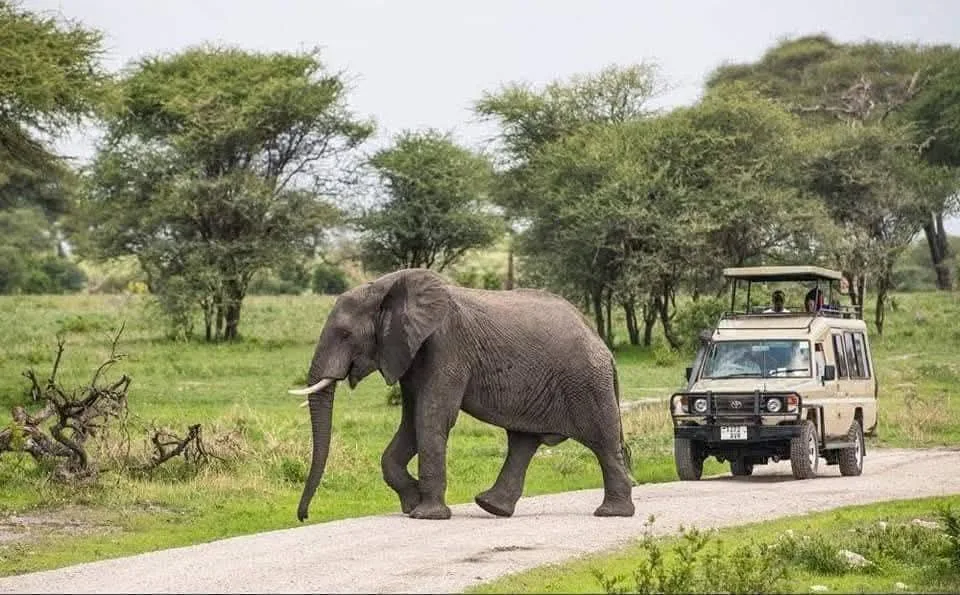
Tarangire National Park is famous for its ancient baobab trees, enormous elephant herds and one of Tanzania's largest concentrations of wildlife during the dry season. From June to October, animals migrate toward the Tarangire River, creating spectacular wildlife viewing with elephants, buffalo, zebras, giraffes, lions and leopards gathering around permanent water.
During the green season, Tarangire transforms into a peaceful paradise with abundant birdlife, making it an excellent destination for photographers and birdwatchers seeking quieter safari experiences.
Tarangire at a Glance
| Category | Details |
|---|---|
| Best Time to Visit | June – October |
| Good All Year? | Yes |
| Top Wildlife | Elephants, lions, leopards, giraffes, zebras and more than 500 bird species |
| Best For | Elephant safaris, photography and birdwatching |
| Safari Rating | ⭐⭐⭐⭐⭐ |
Expert Tip
Tarangire is often overlooked by first-time visitors, yet during the dry season it rivals some of Africa's finest parks for elephant sightings.
Lake Manyara National Park
Best Time to Visit Lake Manyara National Park
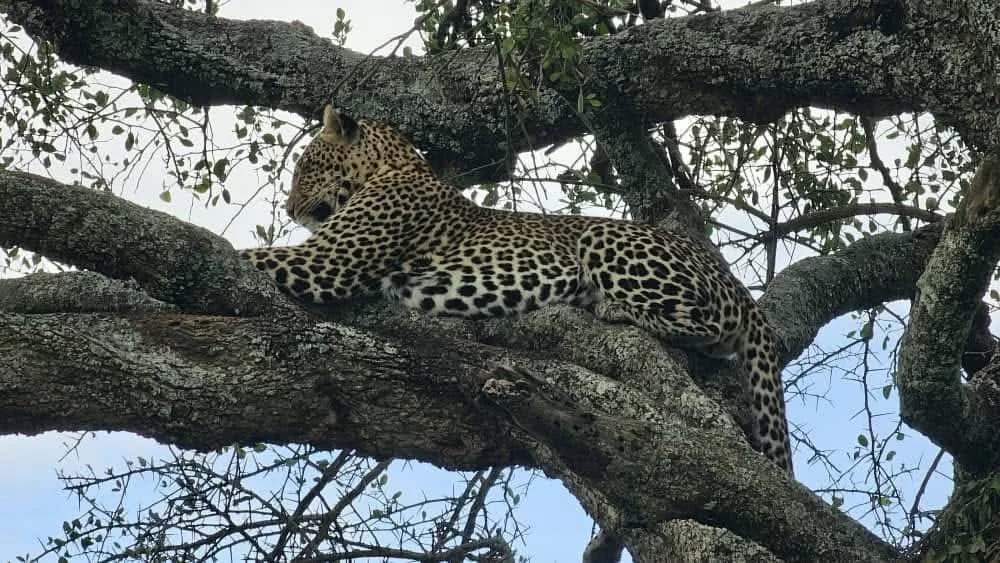
Nestled beneath the Great Rift Valley escarpment, Lake Manyara National Park is renowned for its diverse habitats, groundwater forests, large troops of baboons and seasonal flocks of flamingos. The park is also famous for its tree-climbing lions, although sightings depend on wildlife movements rather than the season.
Wildlife can be enjoyed throughout the year, with the dry season (June–October) offering easier game viewing, while the green season (November–May) brings lush scenery and excellent birdwatching.
Lake Manyara at a Glance
| Category | Details |
|---|---|
| Best Time to Visit | June – October |
| Good All Year? | Yes |
| Top Wildlife | Tree-climbing lions, elephants, baboons, hippos, flamingos and giraffes |
| Best For | Birdwatching, photography and short safaris |
| Safari Rating | ⭐⭐⭐⭐☆ |
Expert Tip
Combine Lake Manyara with Tarangire and Ngorongoro Crater for a classic Northern Tanzania safari circuit.
Ruaha National Park
Best Time to Visit Ruaha National Park
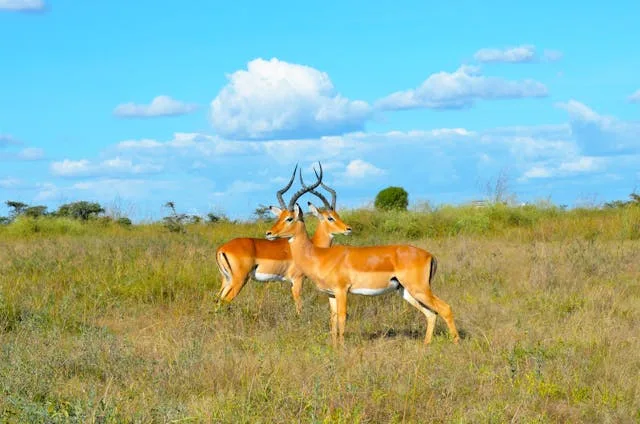
As Tanzania's largest national park, Ruaha National Park offers one of Africa's most remote and authentic safari experiences. It is famous for its large lion prides, healthy leopard population, wild dogs and impressive elephant herds. The dry season from June to October is the best time to visit, when wildlife gathers around the Great Ruaha River and game viewing reaches its peak.
Ruaha is perfect for travellers seeking uncrowded wilderness, exclusive lodges and exceptional predator sightings.
Ruaha at a Glance
| Category | Details |
|---|---|
| Best Time to Visit | June – October |
| Good All Year? | Mostly |
| Top Wildlife | Lions, wild dogs, elephants, leopards, cheetahs and buffalo |
| Best For | Exclusive safaris, predator viewing and repeat visitors |
| Safari Rating | ⭐⭐⭐⭐⭐ |
Expert Tip
If you've already visited the Serengeti, Ruaha offers a quieter safari with outstanding wildlife and far fewer visitors.
Nyerere National Park
Best Time to Visit Nyerere National Park
Formerly part of the Selous Game Reserve, Nyerere National Park is one of Africa's largest protected wilderness areas. It is known for its boat safaris, walking safaris, large elephant populations, crocodiles, hippos and African wild dogs. The dry season from June to October offers the best wildlife viewing, while water levels allow memorable boat excursions along the Rufiji River.
Nyerere at a Glance
| Category | Details |
|---|---|
| Best Time to Visit | June – October |
| Good All Year? | Seasonal |
| Top Wildlife | Wild dogs, elephants, crocodiles, hippos, lions and buffalo |
| Best For | Boat safaris, walking safaris and wilderness experiences |
| Safari Rating | ⭐⭐⭐⭐⭐ |
Expert Tip
Add a boat safari to your itinerary for a unique perspective of Tanzania's wildlife and river ecosystems.
Zanzibar
Best Time to Visit Zanzibar

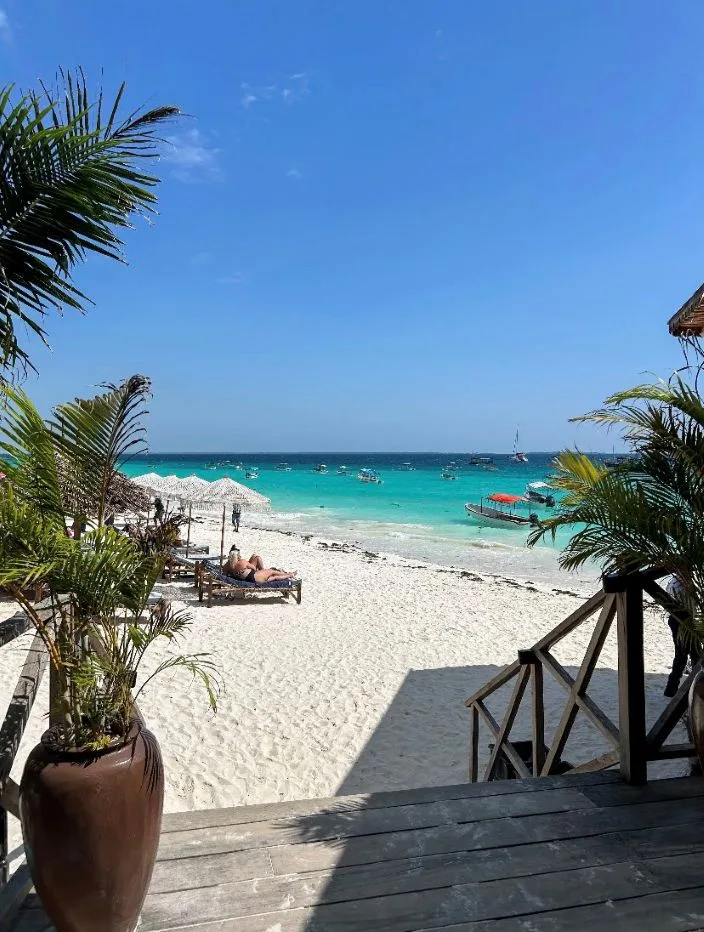
The idyllic island of Zanzibar is the perfect complement to a Tanzania safari, offering white-sand beaches, turquoise waters, historic Stone Town and world-class diving and snorkelling. The best weather is generally January–March and June–October, when sunshine, low humidity and calm seas create ideal beach conditions.
Zanzibar at a Glance
| Category | Details |
|---|---|
| Best Time to Visit | January – March & June – October |
| Good All Year? | Yes |
| Best Experiences | Beaches, snorkelling, diving, dhow cruises and cultural tours |
| Best For | Honeymoons, beach holidays and safari extensions |
| Safari Rating | ⭐⭐⭐⭐⭐ |
Expert Tip
Spend at least three nights in Zanzibar after your safari to relax and enjoy the island's beaches, marine life and Swahili culture.
Arusha National Park
Best Time to Visit Arusha National Park
Located just a short drive from Arusha city, Arusha National Park is a scenic introduction to Tanzania's northern safari circuit. Although it is not a Big Five destination, it offers excellent sightings of giraffes, buffalo, zebras, colobus monkeys and flamingos around Momella Lakes. Walking safaris and canoe excursions make it unique among Tanzania's parks.
Wildlife viewing is rewarding throughout the year, with June–October providing the best weather for outdoor activities.
Arusha at a Glance
| Category | Details |
|---|---|
| Best Time to Visit | June – October |
| Good All Year? | Yes |
| Top Wildlife | Giraffes, buffalo, zebras, colobus monkeys and flamingos |
| Best For | Walking safaris, canoeing and day trips |
| Safari Rating | ⭐⭐⭐⭐☆ |
Expert Tip
Arusha National Park is ideal for your first or last safari day, especially if you have limited time before or after an international flight.
Discover Tanzania's Most Iconic Safari Destinations
Whether you want to witness the Great Wildebeest Migration in the Serengeti, search for the Big Five in Ngorongoro Crater, photograph giant elephant herds in Tarangire, or relax on the white-sand beaches of Zanzibar, our local safari specialists will help you plan the perfect Tanzania itinerary based on the best travel season and your personal interests.
Kenya vs Tanzania Safari: Which Destination Is Right for You?
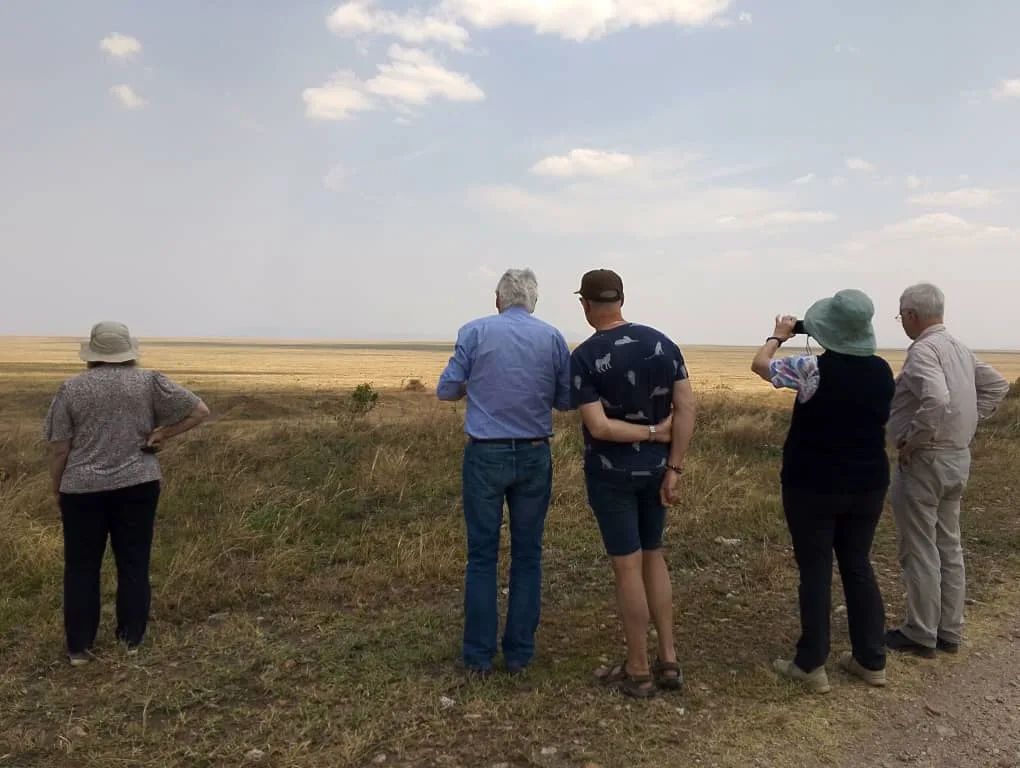
Kenya and Tanzania are two of Africa's premier safari destinations, offering breathtaking landscapes, extraordinary wildlife and unforgettable safari experiences. Both are home to the Big Five, the world-famous Great Wildebeest Migration, luxurious safari lodges and expert guides, making either country an excellent choice for an African adventure.
The best destination for your safari depends on your travel style, interests, budget and the time of year you plan to visit. Kenya is renowned for its diverse safari circuits, excellent road network, iconic Masai Mara National Reserve, elephant-filled Amboseli National Park and outstanding value for shorter itineraries. Tanzania, on the other hand, is celebrated for the endless plains of the Serengeti National Park, the wildlife-rich Ngorongoro Crater, the giant baobabs of Tarangire National Park and the pristine beaches of Zanzibar.
If you have enough time, combining both countries into one itinerary offers the ultimate East African safari, allowing you to experience the very best wildlife, landscapes and cultures in a single journey.
| Feature | Kenya | Tanzania | Winner |
|---|---|---|---|
| Best Overall Safari Experience | Outstanding | Outstanding | Tie |
| Big Five Viewing | Excellent | Excellent | Tie |
| Great Wildebeest Migration | July–October in Masai Mara | Year-round across Serengeti ecosystem | Tanzania |
| River Crossings | Mara River (July–October) | Grumeti & Mara Rivers | Tanzania |
| Elephant Safaris | Amboseli National Park | Tarangire National Park | Tie |
| Predator Sightings | Excellent | Exceptional | Tanzania |
| Family Safaris | Excellent road network and shorter travel times | Excellent but often longer driving distances | Kenya |
| Luxury Safaris | Outstanding | Outstanding | Tie |
| Budget Safaris | More group-joining options | More private safari focus | Kenya |
| Photography | Excellent | Exceptional landscapes and migration | Tanzania |
| Birdwatching | Excellent | Excellent | Tie |
| Safari & Beach Holidays | Diani Beach, Watamu and Malindi | Zanzibar, Pemba and Mafia Island | Tie |
| Road Accessibility | Excellent | Good | Kenya |
| Exclusive Wilderness | Excellent conservancies | Larger remote wilderness areas | Tanzania |
| Best for First-Time Visitors | Excellent | Excellent | Tie |
Choose Kenya If
Kenya is the perfect choice if you:
- Want to experience the Masai Mara Great Migration between July and October.
- Prefer shorter travel distances between parks.
- Are planning a family safari with children.
- Want excellent value with a wide choice of accommodation.
- Hope to photograph elephants beneath Mount Kilimanjaro in Amboseli.
- Prefer combining a safari with Kenya's Indian Ocean beaches.
- Are looking for group-joining safari options.
Choose Tanzania If
Tanzania is the ideal destination if you:
- Want to follow the Great Wildebeest Migration throughout the year.
- Dream of visiting the iconic Serengeti National Park.
- Want one of the best chances to see the Big Five in Ngorongoro Crater.
- Prefer quieter, larger wilderness areas.
- Are interested in luxury fly-in safaris.
- Plan to relax on the beaches of Zanzibar after your safari.
- Want to experience some of Africa's most remote national parks.
Why Choose Both Kenya & Tanzania?
For travellers with 10–14 days or more, combining Kenya and Tanzania offers the ultimate safari experience. A cross-border itinerary lets you experience the incredible diversity of East Africa—from the predator-rich plains of the Masai Mara to the endless landscapes of the Serengeti, the breathtaking Ngorongoro Crater, elephant-filled Amboseli, and the ancient baobabs of Tarangire.
Benefits of a Combined Safari
- Follow the Great Wildebeest Migration across both countries.
- Visit some of Africa's most iconic national parks in one trip.
- Increase your chances of seeing the Big Five and other iconic wildlife.
- Experience diverse landscapes, cultures and ecosystems.
- Combine a classic safari with a beach holiday in Zanzibar or along Kenya's coast.
- Maximise your wildlife viewing without limiting yourself to a single destination.
Recommended Safari by Travel Style
| Travel Style | Recommended Destination |
|---|---|
| First-Time Safari | Kenya or Combined Kenya & Tanzania |
| Great Migration | Combined Kenya & Tanzania |
| Big Five Safari | Kenya & Tanzania |
| Luxury Safari | Tanzania |
| Budget Safari | Kenya |
| Family Holiday | Kenya |
| Photography Safari | Tanzania |
| Birdwatching Safari | Kenya & Tanzania |
| Honeymoon Safari | Tanzania + Zanzibar |
| Safari & Beach Holiday | Kenya + Diani or Tanzania + Zanzibar |
Expert Insight
If your budget and schedule allow, a combined Kenya and Tanzania safari offers the most complete East African wildlife experience. You'll enjoy the flexibility to follow the Great Wildebeest Migration, explore contrasting landscapes, and visit some of Africa's finest national parks—all in a single journey. If time is limited, Kenya is often the best choice for shorter itineraries, while Tanzania excels for travellers seeking vast wilderness and extended safari adventures.
Still Deciding Between Kenya and Tanzania?
Our experienced East Africa safari specialists will help you choose the perfect destination—or create a tailor-made itinerary that combines the best of both countries based on your travel dates, budget and wildlife interests.
Dry Season vs Green Season: Which Is the Best Time for a Safari?
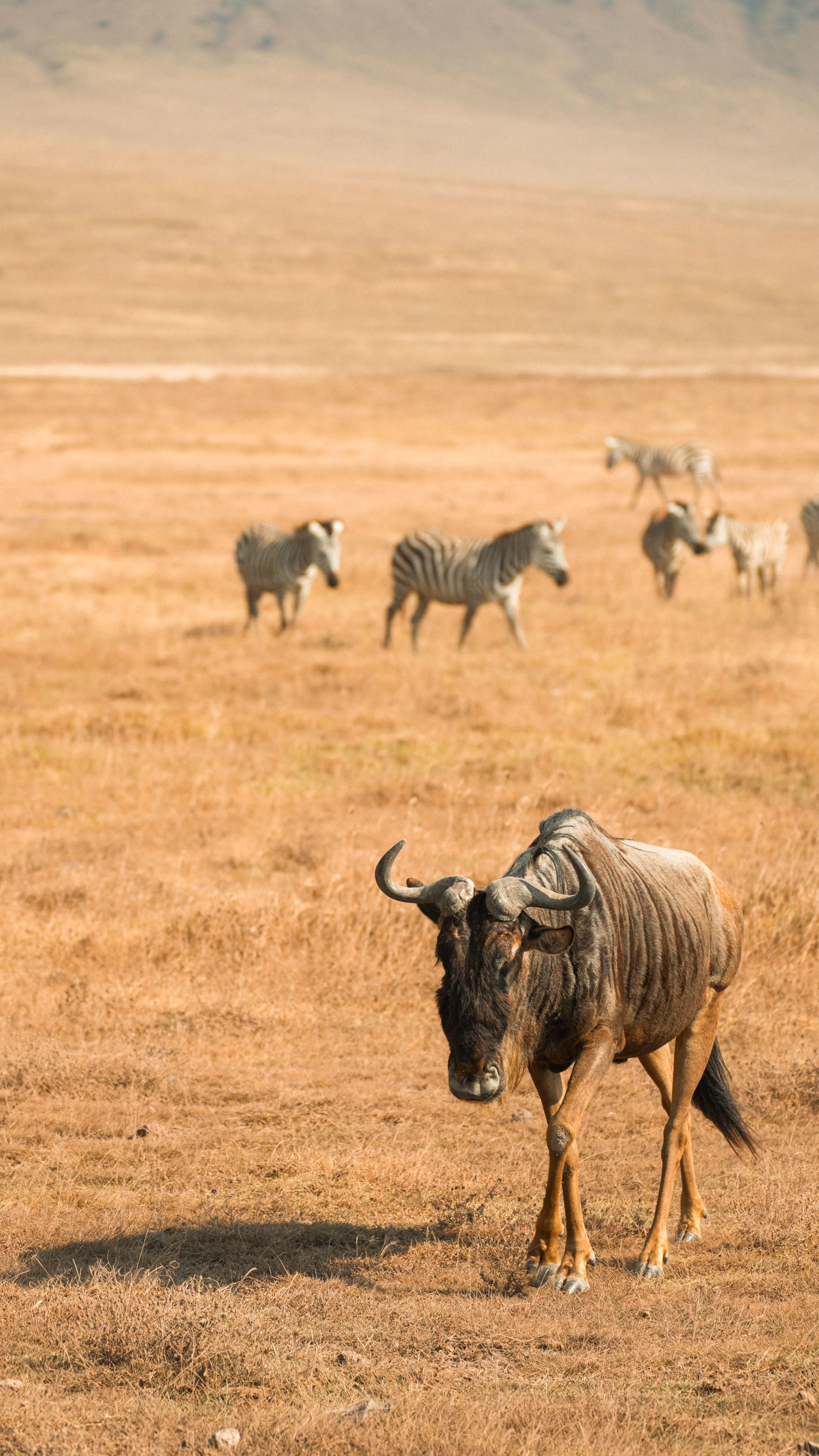
One of the most common questions travellers ask is whether they should visit Kenya and Tanzania during the dry season or the green season. The answer depends entirely on the type of safari experience you're looking for. While the dry season (June to October) is renowned for exceptional wildlife viewing, clear skies and the famous Great Wildebeest Migration, the green season (November to May) offers lush landscapes, fewer visitors, excellent birdwatching, newborn wildlife and better value.
Both seasons provide unforgettable safari experiences, but each offers unique advantages. Understanding the differences in wildlife behaviour, weather, photography conditions, accommodation prices and visitor numbers will help you choose the perfect time to visit East Africa.
Dry Season vs Green Season Comparison
| Feature | Dry Season (June–October) | Green Season (November–May) |
|---|---|---|
| Weather | Sunny days, cool mornings and very little rainfall. | Warm temperatures with occasional rain and lush landscapes. |
| Wildlife Viewing | Excellent as animals gather around rivers and waterholes. | Very good, although wildlife is spread across greener landscapes. |
| Great Wildebeest Migration | Mara River and Grumeti River crossings. | Calving season and southward migration. |
| Big Five Sightings | Outstanding. | Excellent throughout most parks. |
| Photography | Clear skies, golden light and easy wildlife visibility. | Vibrant landscapes, dramatic skies and colourful scenery. |
| Birdwatching | Good. | Outstanding with migratory bird species. |
| Crowds | Highest visitor numbers, especially July–September. | Fewer visitors and quieter parks. |
| Safari Prices | Peak season with higher lodge rates. | Better value and seasonal discounts. |
| Road Conditions | Dry and easily accessible. | Some remote roads may become muddy after heavy rain. |
| Availability | Book well in advance. | Greater accommodation availability. |
Why Choose the Dry Season?
The dry season is considered the classic safari period and is the most popular time to visit East Africa. As water becomes scarce, wildlife naturally gathers around rivers, lakes and permanent waterholes, making animals easier to locate during game drives. Shorter vegetation also improves visibility, increasing the chances of spotting predators and the Big Five.
It is also the best time to witness the Great Wildebeest Migration, including the famous Mara River crossings, where thousands of wildebeest and zebras brave crocodile-filled waters as they move between the Serengeti and Masai Mara.
Dry Season Highlights
- Outstanding Big Five game viewing.
- Peak Great Wildebeest Migration.
- Comfortable weather with minimal rainfall.
- Excellent road conditions.
- Ideal for first-time safari visitors.
- Perfect for wildlife photography.
Why Choose the Green Season?
The green season transforms Kenya and Tanzania into vibrant landscapes filled with fresh grass, wildflowers and abundant birdlife. Although occasional showers occur, rainfall is rarely continuous, and many game drives still take place under clear skies.
The green season is particularly rewarding for wildlife enthusiasts because it coincides with the Great Wildebeest Calving Season in the Southern Serengeti. Thousands of newborn wildebeest attract lions, cheetahs and hyenas, creating dramatic predator-prey encounters. Birdwatchers also enjoy one of the richest periods of the year as migratory species arrive across East Africa.
Green Season Highlights
- Beautiful green landscapes.
- Excellent birdwatching.
- Great Wildebeest calving season.
- Lower accommodation prices.
- Fewer safari vehicles.
- Superb landscape photography.
Which Season Is Best for Different Travellers?
| Traveller Type | Best Season | Why? |
|---|---|---|
| First-Time Visitors | Dry Season | Easier wildlife viewing and excellent weather. |
| Photographers | Both | Dry season for wildlife; green season for dramatic landscapes and skies. |
| Budget Travellers | Green Season | Better value and seasonal lodge offers. |
| Luxury Travellers | Both | Luxury camps operate year-round with different seasonal experiences. |
| Families | Dry Season | Reliable weather and school holiday availability. |
| Honeymoon Couples | January–March or July–October | Romantic weather and excellent wildlife. |
| Birdwatchers | Green Season | Peak migratory bird activity. |
| Great Migration Enthusiasts | July–October or January–March | River crossings and calving season. |
Best Parks by Season
| Destination | Dry Season | Green Season |
|---|---|---|
| Masai Mara | ⭐⭐⭐⭐⭐ | ⭐⭐⭐⭐☆ |
| Amboseli | ⭐⭐⭐⭐⭐ | ⭐⭐⭐⭐☆ |
| Samburu | ⭐⭐⭐⭐⭐ | ⭐⭐⭐⭐☆ |
| Lake Nakuru | ⭐⭐⭐⭐☆ | ⭐⭐⭐⭐☆ |
| Serengeti | ⭐⭐⭐⭐⭐ | ⭐⭐⭐⭐⭐ |
| Ngorongoro Crater | ⭐⭐⭐⭐⭐ | ⭐⭐⭐⭐⭐ |
| Tarangire | ⭐⭐⭐⭐⭐ | ⭐⭐⭐⭐☆ |
| Ruaha | ⭐⭐⭐⭐⭐ | ⭐⭐⭐☆☆ |
| Nyerere | ⭐⭐⭐⭐⭐ | ⭐⭐⭐☆☆ |
Expert Insight
Safari Expert Tip: There isn't a single "best" season for an East African safari. If your priority is seeing the Big Five, the dry season (June–October) is hard to beat. If you prefer lush scenery, fewer crowds, excellent birdwatching and better value, the green season (November–May) offers an equally rewarding safari experience. The ideal travel time depends on your interests, budget and the type of wildlife encounters you hope to enjoy.
Best Time to See Africa's Iconic Wildlife
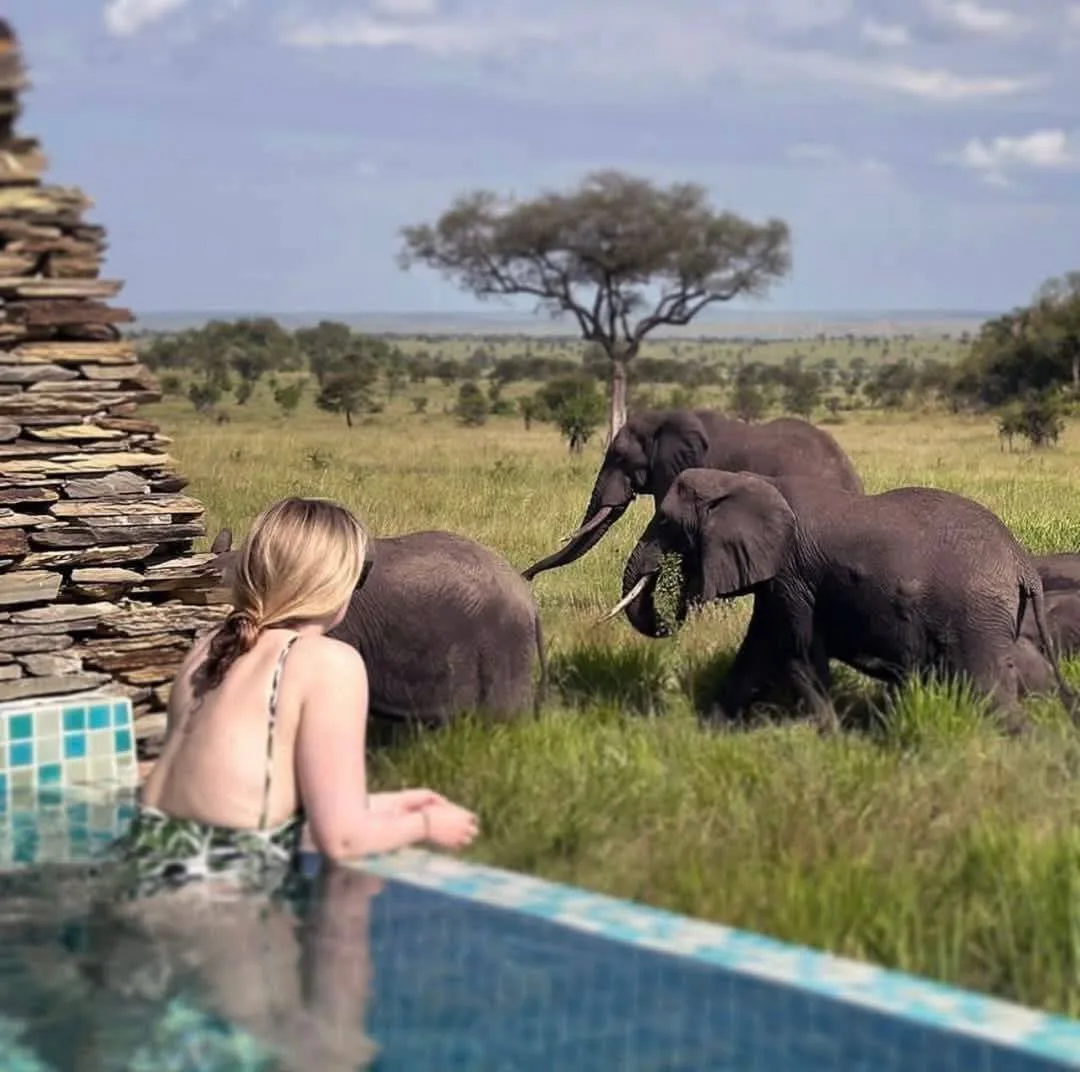
One of the greatest advantages of visiting Kenya and Tanzania is the opportunity to observe an extraordinary variety of wildlife throughout the year. While many species can be seen in every season, changes in rainfall, vegetation, migration patterns and breeding cycles influence where animals gather and how easy they are to spot. Knowing the best time to see Africa's iconic wildlife helps you choose the right destinations and travel dates, whether your dream is witnessing the Great Wildebeest Migration, photographing a pride of lions, tracking endangered black rhinos or watching elephant herds beneath Mount Kilimanjaro.
The wildlife calendar below highlights the best months to see East Africa's most sought-after animals and the national parks where your chances of memorable sightings are highest.
Wildlife Calendar
| Wildlife | Best Time to See | Best Destinations | Highlights |
|---|---|---|---|
| Lions | June – October & January – March | Masai Mara, Serengeti, Ngorongoro, Ruaha | Active during the dry season and calving season when prey is abundant. |
| Leopards | June – October | Masai Mara, Serengeti, Samburu, Ruaha | Easier to spot around riverine forests and rocky outcrops. |
| Cheetahs | January – March & June – October | Southern Serengeti, Masai Mara | Excellent hunting opportunities on open plains. |
| Elephants | June – October | Amboseli, Tarangire, Tsavo, Serengeti | Large breeding herds gather around permanent water sources. |
| Black Rhinos | June – October | Ngorongoro Crater, Lake Nakuru, Ol Pejeta | Reliable sightings in protected conservation areas. |
| White Rhinos | Year-round | Lake Nakuru, Ol Pejeta | Frequently seen grazing in open grasslands. |
| Buffalo | Year-round | Kenya & Tanzania National Parks | Common throughout East Africa. |
| Giraffes | Year-round | Samburu, Tarangire, Serengeti | Easily seen browsing acacia woodlands. |
| Hippos | Year-round | Mara River, Grumeti River, Rufiji River | Best viewed around permanent rivers and pools. |
| Nile Crocodiles | July – October | Mara River, Grumeti River | Most active during migration river crossings. |
| Flamingos | November – April | Lake Nakuru, Lake Manyara | Numbers vary with water levels and algae availability. |
| African Wild Dogs | June – October | Nyerere National Park, Ruaha | Best seen during the dry season. |
| Migratory Birds | November – April | Amboseli, Tarangire, Lake Nakuru, Serengeti | Peak birdwatching season with hundreds of migratory species. |
Best Time to See the Big Five
The Big Five—lion, leopard, elephant, buffalo and rhino—can be seen throughout the year in Kenya and Tanzania. However, the dry season (June to October) generally provides the most reliable wildlife viewing because shorter vegetation and limited water sources encourage animals to gather in open areas. Outstanding destinations for Big Five safaris include the Masai Mara National Reserve, Ngorongoro Crater, Ol Pejeta Conservancy, Serengeti National Park and Lake Nakuru National Park.
Best Months
June – October
Best Destinations
- Masai Mara National Reserve
- Serengeti National Park
- Ngorongoro Crater
- Ol Pejeta Conservancy
- Lake Nakuru National Park
Best Time to See Lions
East Africa is home to some of the largest lion populations in Africa. Lions are active throughout the year, but sightings become especially rewarding during the dry season, when prey gathers around water sources. Another excellent period is the Great Wildebeest Calving Season (January–March), when abundant newborn animals attract predators across the Southern Serengeti.
Best Months: January–March & June–October
Best Destinations: Masai Mara, Serengeti, Ngorongoro, Ruaha
Best Time to See Leopards
Leopards are naturally elusive, but they are easier to find during the dry season when vegetation is less dense. Riverine forests in the Masai Mara and Serengeti are particularly productive, especially during early morning and evening game drives.
Best Months: June–October
Best Destinations: Masai Mara, Serengeti, Samburu, Ruaha
Best Time to See Cheetahs
Open grasslands provide ideal hunting conditions for cheetahs. The Southern Serengeti during the calving season is especially rewarding because thousands of young wildebeest create frequent hunting opportunities.
Best Months: January–March & June–October
Best Destinations: Southern Serengeti, Masai Mara
Best Time to See Elephants
Few safari experiences rival watching large elephant herds roam beneath Mount Kilimanjaro in Amboseli or around the ancient baobab trees of Tarangire. During the dry season, elephants congregate around permanent wetlands and rivers, making sightings especially rewarding.
Best Months: June–October
Best Destinations:
- Amboseli National Park
- Tarangire National Park
- Tsavo East National Park
- Tsavo West National Park
- Serengeti National Park
Best Time to See Rhinos
Black and white rhinos are among Africa's most endangered mammals. Fortunately, Kenya and Tanzania have several protected areas where sightings are reliable throughout the year.
Best Months: June–October
Best Destinations:
- Ol Pejeta Conservancy
- Lake Nakuru National Park
- Ngorongoro Crater
Best Time to See Flamingos
Although flamingo numbers vary depending on lake conditions, the green season generally offers the best opportunities to observe large flocks feeding along alkaline lakes.
Best Months: November–April
Best Destinations:
- Lake Nakuru National Park
- Lake Manyara National Park
Best Time for Birdwatching
Kenya and Tanzania are among Africa's premier birdwatching destinations, with more than 1,100 recorded bird species. The arrival of migratory birds between November and April transforms wetlands, forests and savannahs into vibrant birding habitats.
Best Months: November–April
Top Birding Destinations:
- Lake Nakuru National Park
- Amboseli National Park
- Tarangire National Park
- Serengeti National Park
- Lake Manyara National Park
- Arusha National Park
Wildlife Viewing Tips
To improve your wildlife sightings during a safari:
- Plan early morning and late afternoon game drives when animals are most active.
- Visit during the dry season for easier wildlife viewing.
- Spend at least three nights in each major destination to increase your chances of memorable encounters.
- Travel with experienced local guides who understand seasonal wildlife movements.
- Pack binoculars and a camera with a telephoto lens for better viewing and photography.
Expert Insight
Safari Expert Tip: While the Big Five can be seen throughout the year, don't focus solely on ticking species off a list. Some of the most unforgettable safari moments come from observing natural behaviour—lion cubs playing, elephants bathing, cheetahs hunting or wildebeest crossing rivers. Choosing the right season allows you to witness these extraordinary experiences rather than simply spotting individual animals.
Ready to Experience Africa's Incredible Wildlife?
Whether you're dreaming of seeing the Big Five, witnessing the Great Wildebeest Migration, photographing predators or discovering East Africa's remarkable birdlife, our local safari specialists will help you plan the perfect safari based on the wildlife experiences that matter most to you.
Kenya & Tanzania Safari Costs by Season (2026/2027)
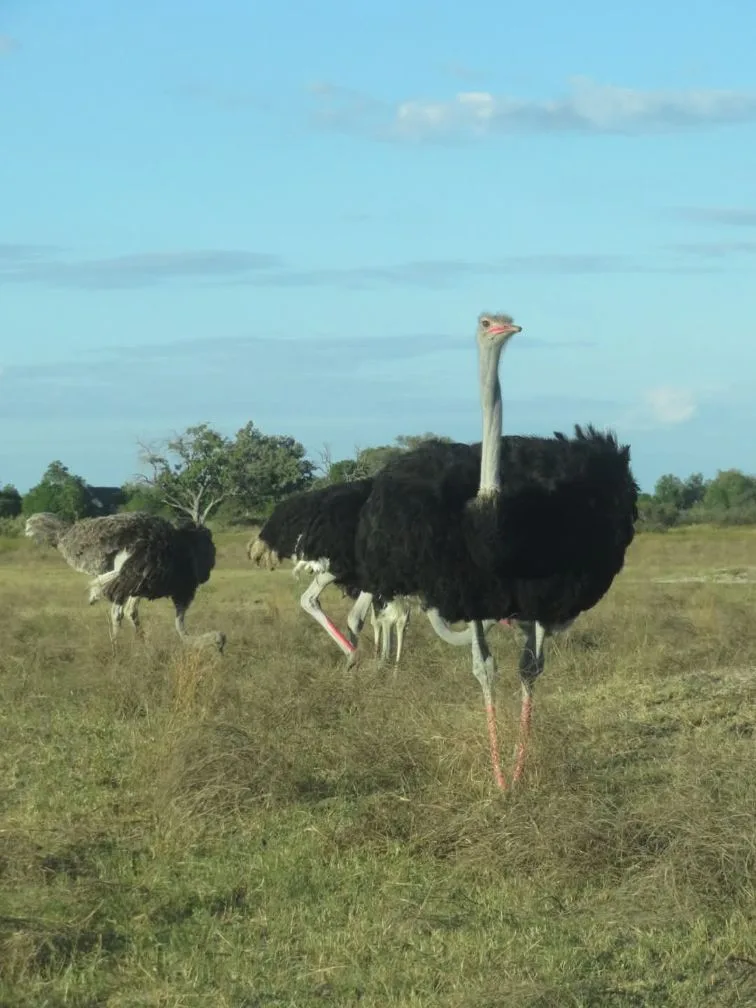
The cost of a safari in Kenya and Tanzania varies depending on the time of year, destination, accommodation standard, group size and style of travel. Peak safari months such as July to October usually have the highest prices due to the Great Wildebeest Migration, excellent wildlife viewing and increased international demand. During the quieter green season (April–May and November), many lodges and camps offer attractive seasonal discounts, allowing travellers to experience the same remarkable wildlife at a lower cost.
Whether you're planning a budget group safari, a comfortable mid-range holiday or an ultra-luxury fly-in adventure, understanding seasonal pricing will help you choose the best travel dates for your budget while making the most of your safari experience.
Average Safari Costs by Season
| Safari Style | Green Season (Nov–May)* | Peak Dry Season (Jun–Oct) | Best For |
|---|---|---|---|
| Budget Safari | From US$180–300 per person/day | From US$250–400 per person/day | Backpackers, students, value-conscious travellers |
| Mid-Range Safari | From US$350–600 per person/day | From US$500–800 per person/day | Couples, families and most first-time visitors |
| Luxury Safari | From US$700–1,200+ per person/day | From US$900–1,800+ per person/day | Luxury travellers and honeymooners |
| Ultra-Luxury Safari | From US$1,500+ per person/day | From US$2,000+ per person/day | Exclusive private safaris and premium camps |
Indicative guide prices. Actual costs vary depending on itinerary, park fees, accommodation, travel dates and availability.
What Affects Safari Prices?
Several factors influence the overall cost of your safari.
Travel Season
The time of year has the biggest impact on pricing.
- July–October: Highest demand due to the Great Wildebeest Migration and dry-season wildlife viewing.
- January–March: Strong demand because of the calving season and pleasant weather.
- April–May: Lowest prices with seasonal lodge offers.
- November: Excellent value with fewer visitors and attractive accommodation rates.
National Parks
Park fees vary between destinations.
Generally:
- Masai Mara
- Serengeti
- Ngorongoro Crater
have higher entrance fees than parks such as:
- Amboseli
- Tarangire
- Lake Nakuru
- Samburu
- Tsavo
Accommodation Standard
Accommodation significantly influences your budget.
| Category | Typical Experience |
|---|---|
| Budget | Comfortable lodges, tented camps and shared group departures. |
| Mid-Range | Quality lodges with private facilities, excellent food and professional guiding. |
| Luxury | Premium tented camps, boutique lodges, gourmet dining and personalised service. |
| Ultra-Luxury | Exclusive safari camps, fly-in itineraries, private guides and exceptional hospitality. |
Group Size
Larger groups generally reduce the cost per person because transport and guide expenses are shared.
| Group Size | Cost Per Person |
|---|---|
| 2 Travellers | Highest |
| 4 Travellers | Better Value |
| 6 Travellers | Excellent Value |
| Group Joining | Lowest Cost |
Peak Season vs Green Season Pricing
| Feature | Peak Season | Green Season |
|---|---|---|
| Lodge Prices | Higher | Lower |
| Flights | Higher | Lower |
| Wildlife Viewing | Outstanding | Excellent |
| Photography | Excellent | Excellent |
| Crowds | High | Low |
| Availability | Limited | Good |
| Overall Value | Premium Experience | Best Value |
Best Value Months
If you're looking for the best balance between price and wildlife viewing, consider:
January
Excellent wildlife with moderate prices.
March
Beautiful landscapes and fewer visitors.
May
The best luxury lodge offers.
November
Excellent birdwatching with attractive seasonal discounts.
Is Peak Season Worth the Extra Cost?
For many travellers, yes.
If witnessing the Great Wildebeest Migration, seeing the Big Five or travelling during school holidays is your priority, the additional cost is often worthwhile because wildlife viewing is at its peak.
However, travellers who have flexibility with their travel dates often find the green season offers exceptional value while still providing memorable safari experiences with fewer vehicles and more lodge availability.
Money-Saving Tips
- Travel during April, May or November for seasonal discounts.
- Join a small-group safari to reduce transport costs.
- Stay longer in fewer parks to minimise travel expenses.
- Book your safari 9–12 months in advance for the best choice of accommodation during peak season.
- Combine neighbouring destinations to reduce domestic flight costs where practical.
Best Safari for Every Budget
| Budget | Recommended Experience |
|---|---|
| Under US$2,000 | Budget group safari in Kenya. |
| US$2,000–4,000 | Mid-range Kenya or Northern Tanzania safari. |
| US$4,000–7,000 | Luxury private safari with premium lodges. |
| US$7,000+ | Exclusive fly-in Kenya & Tanzania safari with luxury camps. |
Expert Insight
Safari Expert Tip: A higher price doesn't always mean a better safari. Choosing the right season, well-planned itinerary and experienced local operator often has a greater impact on your overall experience than simply booking the most expensive lodge. Many travellers discover that travelling during the shoulder or green season provides outstanding wildlife, quieter parks and significantly better value.
Expert Safari Insights: Local Advice for Planning the Perfect Kenya & Tanzania Safari
Guide Travel Tips for a Successful Kenya & Tanzania Safari
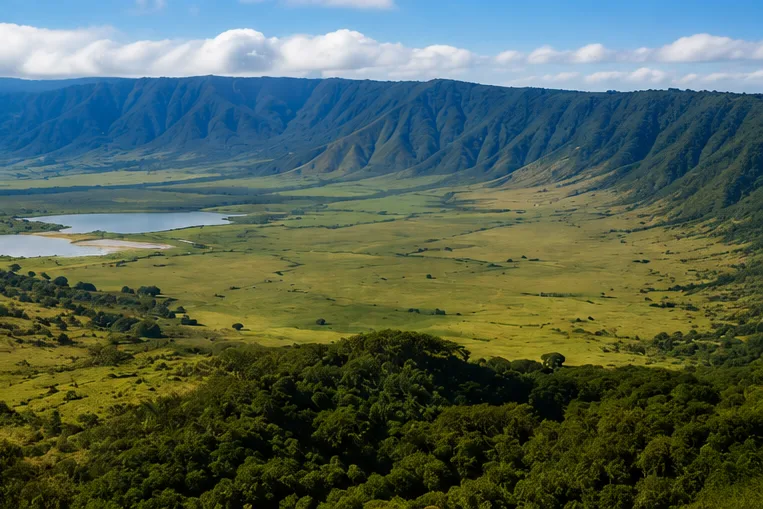
A well-planned safari is about more than choosing the right destination—it's also about travelling smart. Our experienced safari guides spend hundreds of days each year exploring Kenya and Tanzania's national parks and understand how small preparations can make a significant difference to your overall experience. From selecting the right clothing and camera equipment to understanding wildlife etiquette and seasonal conditions, these practical travel tips will help you enjoy a safer, more comfortable and rewarding safari.
1. Start Your Game Drives Early
Early morning game drives offer the best opportunities to see wildlife at its most active. Lions, leopards, cheetahs and other predators often hunt before the heat of the day, while the soft morning light creates outstanding conditions for photography.
Guide's Tip:
Keep your camera ready before sunrise—some of the most memorable wildlife encounters happen within the first hour of the game drive.
2. Wear Neutral-Coloured Clothing
Choose lightweight clothing in khaki, olive green, beige or brown. These colours blend naturally into the environment and are less likely to disturb wildlife.
Avoid:
- Bright red
- White
- Neon colours
- Camouflage clothing (restricted in some East African countries)
3. Pack for Changing Temperatures
Safari temperatures vary throughout the day.
Bring:
- Light breathable shirts
- Convertible trousers
- Warm fleece or light jacket
- Waterproof jacket during the green season
- Comfortable walking shoes
- Wide-brimmed hat
- Sunglasses
Guide's Tip:
Mornings can be surprisingly cool, especially in the Masai Mara, Ngorongoro Crater and Amboseli.
4. Bring Good Binoculars
Even with an experienced guide, binoculars help you appreciate distant wildlife, birds and landscapes.
Recommended:
- 8×42 binoculars
- 10×42 binoculars
Every traveller should ideally have their own pair.
5. Respect Wildlife
Remember that you are visiting the animals' natural habitat.
Always:
- Remain inside the safari vehicle unless instructed otherwise.
- Speak quietly near wildlife.
- Never feed wild animals.
- Follow your guide's instructions.
- Keep a respectful distance from all wildlife.
Responsible wildlife viewing helps protect East Africa's extraordinary ecosystems for future generations.
6. Don't Focus Only on the Big Five
Many first-time visitors become so focused on the Big Five that they miss countless other incredible wildlife experiences.
Look out for:
- Cheetahs hunting across open plains.
- Elephant family interactions.
- Hippos and crocodiles along rivers.
- Colourful birdlife.
- Giraffes browsing acacia trees.
- Hyenas, jackals and smaller mammals.
- Stunning African sunsets.
Some of the most memorable safari moments happen when you simply observe nature unfolding around you.
7. Carry a Camera with Extra Batteries
Game drives often last several hours.
Bring:
- Extra batteries
- Spare memory cards
- Power bank
- Telephoto lens (200–400 mm recommended)
- Lens cleaning cloth
Dust can accumulate during dry-season safaris, so protecting your equipment is essential.
8. Stay Hydrated Throughout Your Safari
East Africa's climate can be warm, particularly during midday.
Our guides recommend:
- Drinking water regularly.
- Wearing sunscreen.
- Using lip balm.
- Wearing a hat throughout game drives.
Most safari vehicles provide complimentary bottled drinking water.
9. Listen to Your Safari Guide
Professional safari guides spend years learning animal behaviour, tracking techniques and seasonal wildlife movements.
Their knowledge helps you:
- Find elusive wildlife.
- Understand animal behaviour.
- Choose the best photography locations.
- Enjoy a safer safari.
Trust your guide's experience—they know where wildlife is most likely to be and how to position the vehicle for the best viewing opportunities.
10. Slow Down and Enjoy the Experience
A safari isn't a race to tick animals off a checklist. Take time to appreciate the landscapes, changing light, birds, insects and the sounds of the African bush. These quieter moments often become the memories travellers cherish most.
Quick Safari Checklist
| Before You Travel | ✓ |
|---|---|
| Passport valid for at least six months | ✔ |
| Travel insurance arranged | ✔ |
| Kenya eTA and Tanzania visa (if required) | ✔ |
| Binoculars packed | ✔ |
| Camera and spare batteries | ✔ |
| Neutral-coloured clothing | ✔ |
| Lightweight jacket | ✔ |
| Sunscreen and insect repellent | ✔ |
| Personal medications | ✔ |
| Small backpack for daily essentials | ✔ |
Guide's Final Advice
From Our Safari Guides: Every safari is unique because wildlife follows nature's rhythms rather than a schedule. Some days bring dramatic predator encounters, while others reward patient travellers with quieter moments that reveal the true beauty of the African wilderness. Keep an open mind, trust your guide, respect the wildlife and enjoy every moment—you'll discover that the most unforgettable safari experiences are often the ones you never expected.
Ready to Experience the Safari of a Lifetime?
Our experienced East Africa safari guides know where to go, when to travel and how to create unforgettable wildlife experiences. Let us help you plan a Kenya and Tanzania safari tailored to your interests, travel dates and budget.
Speak to Our Safari Experts
What Our Safari Guides Look for During Every Game Drive
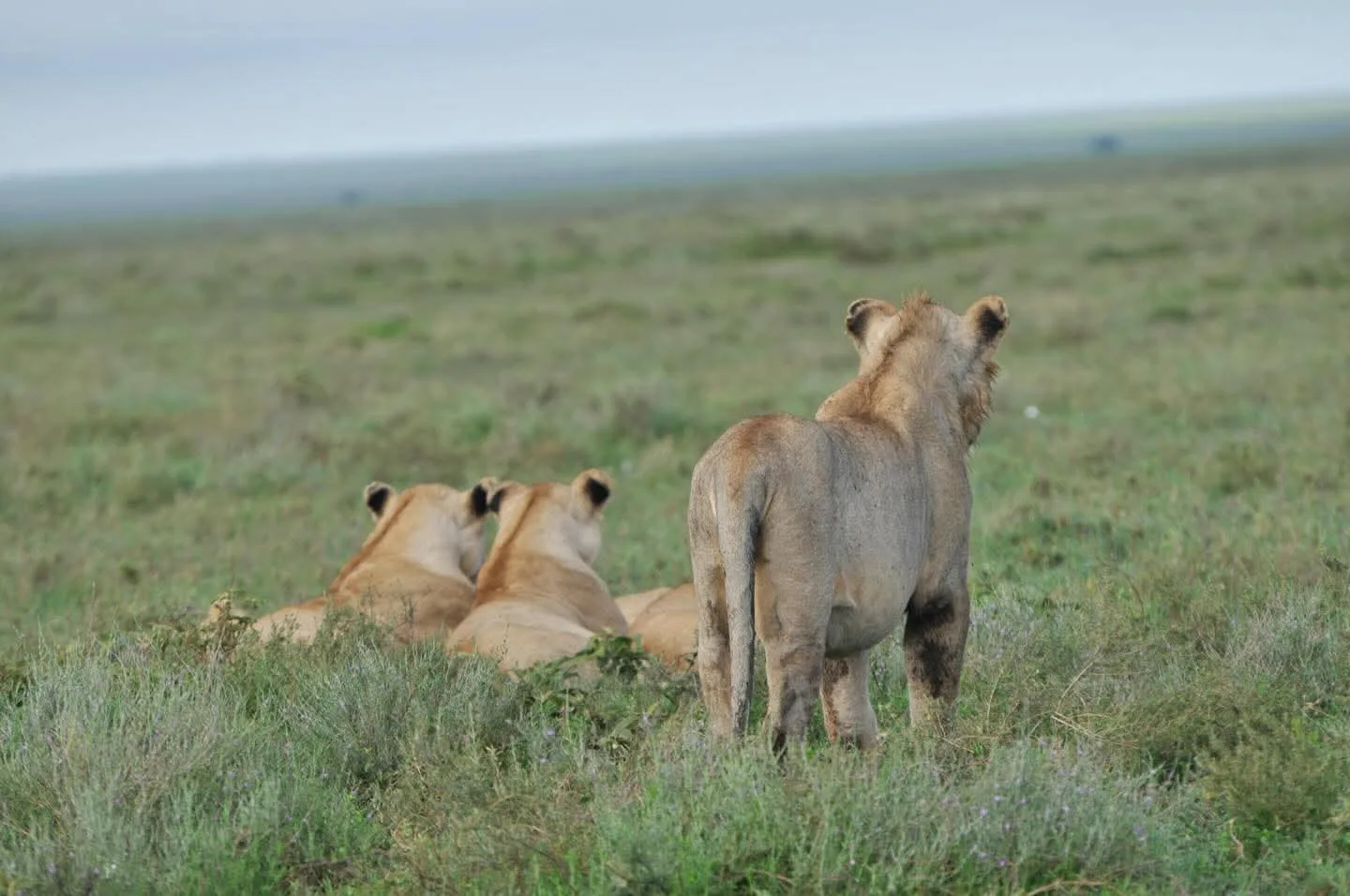
Every safari is different, and no two game drives are ever the same. While many travellers focus on seeing the Big Five, our experienced safari guides look far beyond a simple wildlife checklist. Years of guiding across Kenya and Tanzania have taught them how to read the bush, interpret animal behaviour and recognise subtle signs that often lead to extraordinary wildlife encounters. By understanding tracks, sounds, bird movements and changing weather conditions, our guides increase your chances of enjoying unforgettable moments while respecting the natural behaviour of the animals.
1. Fresh Animal Tracks
Before sunrise, our guides carefully look for fresh footprints left overnight.
They identify:
- Lion tracks
- Leopard tracks
- Elephant footprints
- Buffalo movements
- Hyena trails
Fresh tracks often reveal where wildlife has travelled only hours earlier and help guide the morning game drive.
2. Bird Behaviour
Birds are among the most valuable wildlife indicators.
Our guides pay close attention to:
- Vultures circling overhead.
- Oxpeckers resting on buffalo or rhinos.
- Alarm calls from hornbills and francolins.
- Raptors scanning open plains.
These natural signs often lead to predators or fresh wildlife activity.
3. Animal Behaviour
Rather than simply looking for animals, experienced guides observe how they behave.
Examples include:
- Elephants raising their trunks to detect scents.
- Zebras staring in one direction.
- Impalas suddenly becoming alert.
- Wildebeest gathering near riverbanks.
- Lions becoming more active before sunset.
These behaviours often indicate that something exciting is about to happen.
4. Predator Activity
Predators follow predictable daily patterns.
Our guides know when to search for:
- Lions resting beneath trees during the hottest hours.
- Leopards descending from trees early in the morning.
- Cheetahs scanning open grasslands before hunting.
- Hyenas returning to dens after night-time activity.
Timing is often just as important as location.
5. Seasonal Wildlife Movements
Wildlife constantly responds to rainfall, fresh grazing and water availability.
Our guides monitor:
- Great Wildebeest Migration movements.
- Elephant migration routes.
- Seasonal bird arrivals.
- Predator concentrations.
- Water levels across rivers and wetlands.
This local knowledge helps position guests in the right place at the right time.
6. Weather and Light
Weather plays a major role in wildlife activity.
Our guides consider:
- Wind direction.
- Cloud cover.
- Morning temperatures.
- Afternoon heat.
- Approaching rainfall.
These conditions influence where animals move and when they are most active.
7. Wildlife Communication
Many animals communicate through sounds.
Our guides listen for:
- Alarm calls from baboons.
- Distress calls from impalas.
- Elephant rumbles.
- Lion roars.
- Hyena calls before dawn.
These sounds provide valuable clues about nearby wildlife activity.
8. Respecting Nature's Rhythm
The best safari experiences happen naturally.
Our guides never:
- Chase wildlife.
- Block animal movements.
- Crowd sightings.
- Disturb hunting behaviour.
- Encourage unsafe interactions.
Instead, they position the vehicle carefully, allowing wildlife to behave naturally while giving guests excellent viewing and photography opportunities.
A Typical Morning Game Drive
| Time | What Our Guides Look For |
|---|---|
| 6:00–7:00 AM | Fresh tracks, predator activity, sunrise photography and active wildlife. |
| 7:00–9:00 AM | Lions, leopards, elephants and grazing herbivores. |
| 9:00–11:00 AM | Birdlife, river activity, hippos, crocodiles and relaxed wildlife viewing. |
Why Experience Matters
A successful safari depends on much more than luck. Years of guiding across Kenya and Tanzania allow our guides to recognise subtle signs that many visitors would never notice. From reading animal tracks to interpreting bird alarm calls and understanding seasonal migration patterns, this field experience helps transform an ordinary game drive into an unforgettable wildlife adventure.
Guide's Perspective
From Our Safari Guides: "The most memorable safari moments often begin with the smallest details—a fresh lion track in the sand, a sudden silence among grazing animals or vultures circling in the distance. We don't simply search for wildlife; we read the landscape, follow nature's clues and position our guests where the next incredible moment is most likely to unfold."
Experience East Africa Through the Eyes of Local Safari Guides
Our professional guides combine years of field experience, expert wildlife knowledge and a passion for conservation to create unforgettable safari experiences across Kenya and Tanzania. Join us and discover the difference that local expertise makes.
Start Planning Your Safari
Kenya & Tanzania Safari Planning Tips
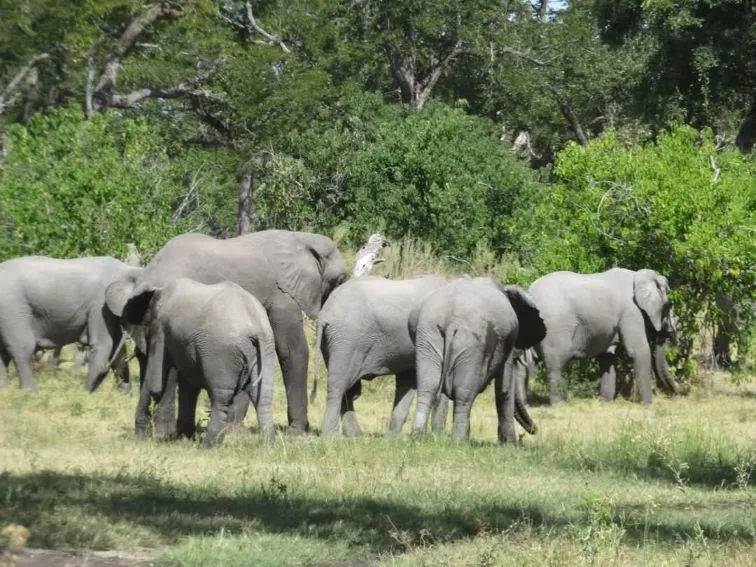
Planning a safari in Kenya and Tanzania is exciting, but good preparation makes all the difference. From choosing the best travel dates and selecting the right destinations to understanding visas, packing essentials and booking accommodation, a little planning ensures a smoother and more enjoyable safari. Whether you're visiting for the Great Wildebeest Migration, a Big Five safari, a luxury honeymoon or a family adventure, these practical planning tips will help you make the most of your East African journey.
1. Choose the Best Time to Travel
The timing of your safari has a significant impact on wildlife viewing, weather and overall costs.
- June–October: Best for the Great Migration, Big Five viewing and dry weather.
- January–March: Excellent for the calving season, photography and warm weather.
- April–May: Best value with fewer visitors and discounted accommodation.
- November–December: Ideal for birdwatching, lush scenery and quieter parks.
Planning Tip:
Choose your travel dates based on the wildlife experience you want rather than simply the weather.
2. Decide Which Destinations to Visit
Every park offers a different experience.
| Destination | Best Known For |
|---|---|
| Masai Mara | Great Wildebeest Migration and Big Five. |
| Amboseli | Elephant herds and Mount Kilimanjaro views. |
| Samburu | Rare northern wildlife and Samburu Special Five. |
| Lake Nakuru | Black and white rhinos and birdlife. |
| Serengeti | Year-round Great Migration and predators. |
| Ngorongoro Crater | Big Five in a single day. |
| Tarangire | Giant elephant herds and baobab trees. |
| Zanzibar | Beaches, diving and relaxation after safari. |
3. Book Early for Peak Season
Accommodation near the migration routes and in popular parks can sell out well in advance.
We recommend booking:
- July–October: 9–12 months ahead.
- Christmas & New Year: 9–12 months ahead.
- January–March: 6–9 months ahead.
- Green Season: 3–6 months ahead.
Early booking provides a wider choice of lodges, better flight availability and more itinerary flexibility.
4. Decide Between a Private or Group Safari
Choose the safari style that best matches your budget and travel preferences.
| Safari Style | Best For |
|---|---|
| Private Safari | Couples, families, photographers and travellers seeking flexibility. |
| Group Safari | Solo travellers and budget-conscious visitors. |
| Fly-in Safari | Luxury travellers who want to maximise time in the parks. |
| Road Safari | Travellers who enjoy changing landscapes and a lower overall cost. |
5. Allow Enough Time
One of the most common planning mistakes is trying to visit too many parks in too few days.
Recommended durations:
- 5–7 Days: Kenya or Northern Tanzania.
- 8–10 Days: Kenya & Tanzania highlights.
- 10–14 Days: Complete East Africa safari.
- 12–16 Days: Safari plus Zanzibar or Diani Beach.
Spending at least two to three nights in each major destination allows for more rewarding wildlife viewing and a more relaxed pace.
6. Pack Smart
Essential items include:
- Lightweight neutral-coloured clothing.
- Comfortable walking shoes.
- Light jacket for cool mornings.
- Wide-brimmed hat.
- Sunglasses.
- Sunscreen.
- Insect repellent.
- Binoculars.
- Camera with spare batteries and memory cards.
- Universal travel adapter.
- Personal medications.
7. Travel Documents
Before travelling, ensure you have:
- A passport valid for at least six months after your arrival date.
- The required entry permits or visas for the countries you plan to visit.
- Comprehensive travel insurance covering medical care and emergency evacuation.
- Copies of your travel documents stored digitally and separately from the originals.
8. Health & Safety
Speak to your healthcare provider and review the latest travel health recommendations from the World Health Organization before your safari. Drink bottled or treated water, stay hydrated during game drives and follow your guide's safety instructions at all times.
9. Respect Wildlife & Local Communities
Responsible travel helps protect East Africa's wildlife and supports local communities.
Remember to:
- Keep a respectful distance from animals.
- Never feed wildlife.
- Follow park regulations and your guide's instructions.
- Support locally owned businesses and community tourism initiatives.
- Dispose of waste responsibly and minimise single-use plastics where possible.
10. Work with Local Safari Specialists
Choosing an experienced local safari company gives you access to up-to-date seasonal knowledge, personalised itinerary planning and practical support before and during your trip. Local expertise can help you select the right parks, accommodation and travel dates based on your interests rather than a one-size-fits-all itinerary.
Safari Planning Checklist
| Before You Book | Status |
|---|---|
| Selected the best travel month | ☐ |
| Chosen your safari destinations | ☐ |
| Decided on private or group safari | ☐ |
| Confirmed your travel budget | ☐ |
| Reserved accommodation | ☐ |
| Checked passport validity | ☐ |
| Arranged travel insurance | ☐ |
| Prepared safari packing list | ☐ |
| Confirmed flights and transfers | ☐ |
Expert Planning Advice
From Our Safari Planning Team: The best safari is rarely the one that visits the most parks—it's the one that's thoughtfully planned around your interests, travel dates and preferred pace. Allow enough time in each destination, book early for peak travel periods and choose an itinerary that gives you time to fully experience East Africa's remarkable wildlife rather than rushing from one park to another.
Start Planning Your Dream Safari Today
Whether you're travelling in 2026, 2027 or beyond, our East Africa safari specialists will help you choose the best travel season, destinations and accommodation to create a personalised safari that matches your interests, budget and schedule.
Request a Free Safari Quote
Kenya & Tanzania Safari Packing List (2026/2027)
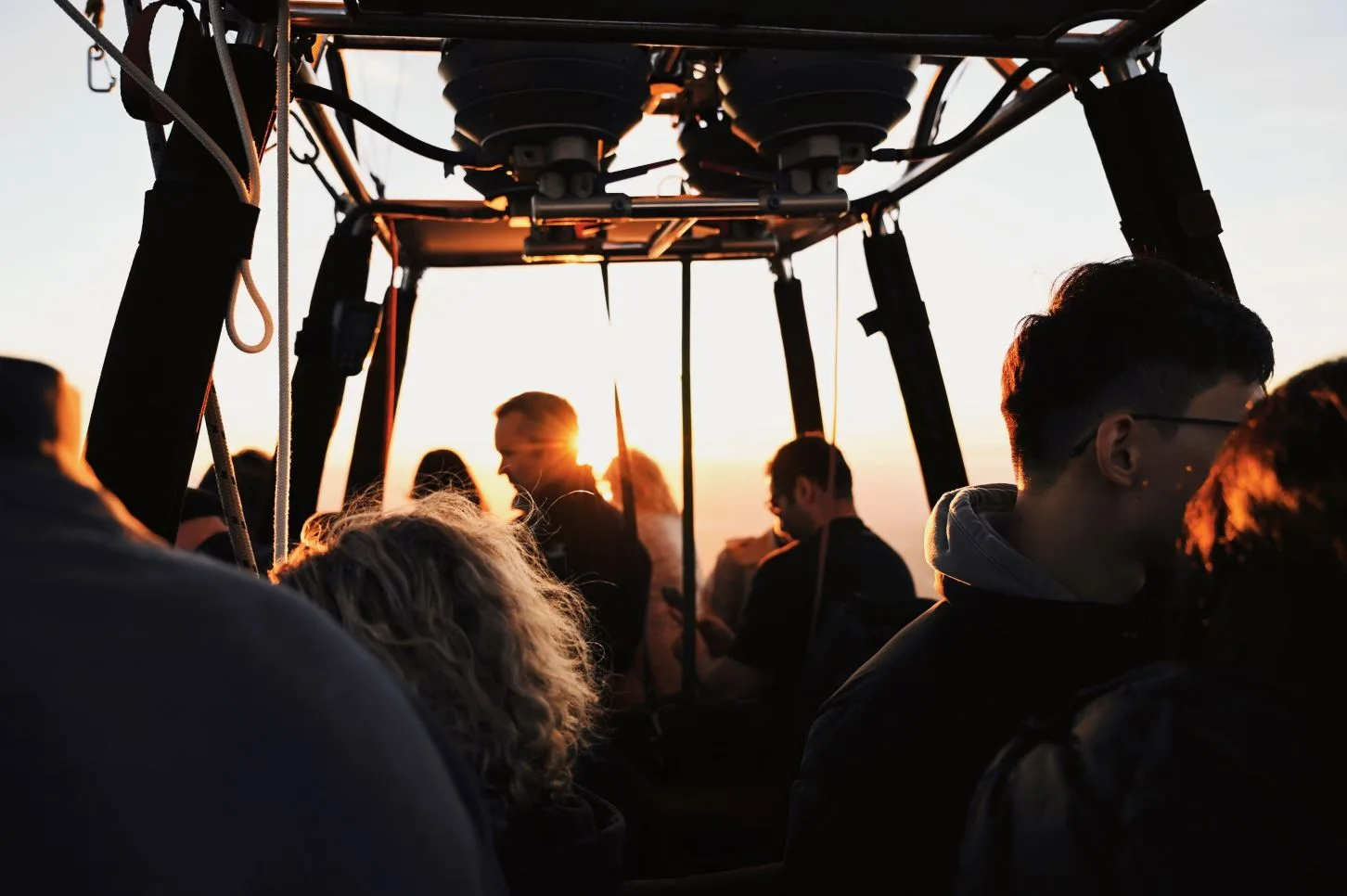
Packing for a safari is different from packing for a typical holiday. The right clothing and equipment will keep you comfortable during early morning game drives, warm on cooler evenings and prepared for changing weather conditions throughout Kenya and Tanzania. Whether you're travelling during the dry season, the green season, or combining your safari with a beach holiday in Zanzibar or Diani Beach, this comprehensive packing list will help ensure you're fully prepared for an unforgettable East African adventure.
Safari Clothing Essentials
Choose lightweight, breathable clothing in neutral colours such as khaki, olive green, beige and brown. These colours blend naturally with the environment, help keep you comfortable in warm temperatures and are ideal for wildlife viewing and photography.
Pack:
- Lightweight long-sleeved shirts
- Breathable T-shirts
- Convertible safari trousers
- Comfortable shorts for lodges and camps
- Warm fleece or lightweight jacket
- Waterproof jacket (especially November–May)
- Lightweight sleepwear
- Comfortable walking shoes
- Sandals or casual shoes for evenings
- Wide-brimmed hat or cap
- Lightweight scarf or buff for dust
Photography & Electronics
A safari offers countless unforgettable moments, so having the right equipment is essential.
Recommended Items
- Camera with zoom lens (200–400 mm recommended)
- Smartphone
- Binoculars (8×42 or 10×42)
- Extra batteries
- Spare memory cards
- Power bank
- Universal travel adapter
- Charging cables
- Lens cleaning cloth
- Small waterproof camera bag
Health & Personal Care
Essentials
- Sunscreen (SPF 30 or higher)
- Lip balm
- Insect repellent
- Personal medications
- Prescription medicines (if required)
- Small first-aid kit
- Hand sanitiser
- Wet wipes
- Reusable water bottle
- Tissues
Travel Documents
Keep both printed and digital copies of important travel documents.
Bring:
- Passport (valid for at least six months)
- Entry permits or visas (if required)
- Travel insurance documents
- Flight confirmations
- Safari vouchers
- Emergency contact details
- Credit/debit cards
- Small amount of local currency and US dollars (where appropriate)
Optional Safari Gear
Depending on your travel style, you may also wish to pack:
- Lightweight backpack
- Notebook or travel journal
- Bird identification guide
- Travel pillow
- Small torch or headlamp
- Dry bag for electronics
- Swimwear (for lodges with pools or beach extensions)
- Lightweight binocular harness
- E-reader or book
Seasonal Packing Guide
| Season | Recommended Items |
|---|---|
| Dry Season (June–October) | Warm jacket for mornings, sunglasses, sunscreen, hat, dust scarf and moisturiser. |
| Green Season (November–May) | Lightweight waterproof jacket, quick-drying clothing, insect repellent and waterproof bag for electronics. |
| Calving Season (January–March) | Neutral clothing, camera equipment, binoculars and breathable layers. |
| Safari & Beach Holiday | Swimwear, sandals, beachwear, reef-safe sunscreen and light casual clothing. |
What Not to Pack
Avoid bringing items that are unnecessary or unsuitable for safari travel.
- Bright or fluorescent clothing
- Camouflage clothing (restricted in some East African countries)
- Heavy suitcases (soft-sided luggage is recommended for many domestic flights)
- Excessive jewellery or valuables
- Strong perfumes or scented products
- Large hard-shell bags on light aircraft
Luggage Recommendations
| Travel Style | Recommended Luggage |
|---|---|
| Road Safari | Medium soft-sided suitcase or duffel bag plus a daypack. |
| Fly-in Safari | Soft-sided duffel bag within your airline's baggage allowance. |
| Luxury Safari | Lightweight soft luggage that is easy to handle during transfers. |
Quick Packing Checklist
| Item | Packed |
|---|---|
| Passport | ☐ |
| Travel insurance | ☐ |
| Neutral-coloured clothing | ☐ |
| Walking shoes | ☐ |
| Warm jacket | ☐ |
| Hat | ☐ |
| Sunglasses | ☐ |
| Camera | ☐ |
| Binoculars | ☐ |
| Extra batteries | ☐ |
| Universal adapter | ☐ |
| Insect repellent | ☐ |
| Sunscreen | ☐ |
| Personal medication | ☐ |
| Reusable water bottle | ☐ |
Guide's Packing Advice
From Our Safari Guides: Pack light, pack smart and focus on comfort rather than quantity. Neutral-coloured clothing, a good pair of binoculars and a reliable camera will contribute far more to your safari experience than a large suitcase. Remember that mornings can be cool, afternoons warm and weather conditions can change quickly, so lightweight layers are always the best choice.
Ready for Your Kenya & Tanzania Safari?
Now that you know when to travel, what wildlife to expect and what to pack, it's time to start planning your adventure. Our East Africa safari specialists will help you choose the perfect itinerary, accommodation and travel dates for an unforgettable safari experience.
Request Your Tailor-Made Safari Quote
WhatsApp or Call: +254 728 567308
Email: eastafricajungle@gmail.com
Editorial Review
This guide has been carefully researched, written and reviewed by the experienced safari specialists at East Africa Jungle to provide accurate, practical and up-to-date information for travellers planning a safari in Kenya and Tanzania. Every recommendation is based on first-hand knowledge of East Africa's national parks, seasonal wildlife movements and years of planning tailor-made safaris for visitors from around the world.
Because wildlife movements, weather patterns and park regulations can change from year to year, we regularly review and update this guide to ensure the information remains relevant for 2026, 2027 and beyond. Our team continually monitors the Great Wildebeest Migration, seasonal rainfall, park conditions and safari trends so that travellers receive reliable planning advice before making their booking.
Rather than relying on general travel information, this guide reflects the experience of local safari consultants and professional guides who work throughout Kenya and Tanzania. Our goal is to help every traveller choose the best travel dates, destinations and safari style based on their interests, budget and preferred wildlife experiences.
Editorial Standards
We are committed to publishing travel content that is:
Written and reviewed by experienced East Africa safari specialists.
Based on first-hand destination knowledge and practical safari planning experience.
Regularly updated to reflect current travel information and seasonal wildlife patterns.
Designed to provide clear, honest and accurate advice for travellers.
Supported by trusted conservation and tourism information where appropriate.
Reviewed By
East Africa Jungle Safari Specialists
Local safari consultants with extensive experience across Kenya and Tanzania.
Expertise in the Great Wildebeest Migration, Big Five safaris, luxury travel, family holidays and tailor-made itineraries.
Dedicated to responsible tourism, wildlife conservation and exceptional guest experiences.
Last Reviewed
Last Reviewed: August 2026
Next Scheduled Review: Before the 2027 peak safari season, or sooner if significant changes affect travel conditions, wildlife movements or park regulations.
Our Commitment to Accuracy
While every effort is made to keep this guide current, wildlife follows natural patterns and weather conditions can vary from year to year. Migration timing, rainfall and animal movements are never guaranteed. For the most accurate advice based on your preferred travel dates, we recommend speaking directly with one of our East Africa safari specialists before booking.
Trusted Resources
For the latest travel and conservation information, we recommend consulting official resources alongside our expert guidance:
Kenya Wildlife Service (KWS)
Tanzania National Parks Authority (TANAPA)
Ngorongoro Conservation Area Authority (NCAA)
World Health Organization (WHO) – Travel Health
Relevant government travel advisories for your country of residence
Ready to Plan Your Kenya & Tanzania Safari?
Whether you're travelling in 2026, 2027 or beyond, our experienced East Africa Jungle team is here to help you choose the perfect travel season, safari destinations and itinerary. We'll create a personalised safari designed around your interests, budget and preferred style of travel.
Secondary CTA Button
Talk to a Safari Expert
WhatsApp or Call: +254 728 567308
Email: eastafricajungle@gmail.com
About the Author

John Peter
Senior Safari Consultant | East Africa Jungle
With more than 15 years of experience planning and operating safaris across Kenya, Tanzania and East Africa, John Peter has helped thousands of travellers experience Africa's most iconic wildlife destinations. His expertise spans the Great Wildebeest Migration, Big Five safaris, luxury holidays, family adventures, honeymoon itineraries and tailor-made wildlife expeditions.
Having travelled extensively through the Masai Mara National Reserve, Amboseli National Park, Samburu National Reserve, Lake Nakuru National Park, Serengeti National Park, Ngorongoro Crater, Tarangire National Park and many other protected areas, John combines first-hand destination knowledge with practical safari planning experience to help travellers choose the best time, destinations and itinerary for their East African adventure.
His approach goes beyond simply recommending popular parks. Every itinerary is designed around seasonal wildlife movements, weather conditions, travel style and each traveller's personal interests, ensuring every safari is both memorable and carefully planned. Whether following the Great Wildebeest Migration, photographing the Big Five or combining a safari with a beach holiday on the Kenyan coast or Zanzibar, John is committed to creating authentic experiences that showcase the very best of East Africa.
As a passionate advocate for responsible tourism and wildlife conservation, he works closely with trusted local guides, lodges and conservation partners to promote sustainable travel that benefits wildlife, local communities and future generations.
Areas of Expertise
- Kenya Safari Holidays
- Tanzania Safari Holidays
- Great Wildebeest Migration Safaris
- Big Five Wildlife Safaris
- Luxury & Fly-in Safaris
- Family Safari Planning
- Honeymoon & Romantic Safaris
- Photography Safaris
- Safari & Beach Holidays
- Tailor-Made East Africa Itineraries
Professional Experience
| Experience | Details |
|---|---|
| Role | Senior Safari Consultant |
| Experience | 15+ Years Planning East African Safaris |
| Specialisation | Kenya, Tanzania & Great Wildebeest Migration |
| Focus Areas | Luxury, Family, Honeymoon & Private Safaris |
| Company | East Africa Jungle |
| Location | Nairobi, Kenya |
Why Trust This Guide?
This travel guide is based on first-hand safari planning experience, seasonal wildlife knowledge and years of helping travellers explore East Africa's most celebrated national parks. Every recommendation reflects practical insights gained from working with professional safari guides, monitoring wildlife movements throughout the year and designing personalised itineraries for visitors from around the world.
The guide is reviewed regularly to ensure it remains accurate for 2026, 2027 and beyond, helping travellers make informed decisions about when to visit Kenya and Tanzania, where to go and how to plan an unforgettable safari.
Connect With Our Safari Team
Have questions about the best time to visit Kenya or Tanzania? Our experienced safari specialists are happy to help you choose the ideal travel season, recommend the best national parks and create a tailor-made itinerary based on your interests and budget.
Email: info@eastafricajungle.com
WhatsApp / Phone: +254 728 567 308
Why This Guide Helps
Use this page to compare safari packages that match the same travel intent. Each result can be reviewed by itinerary, price, duration, accommodation, route map, image gallery, inclusions, and downloadable program.
Questions
1. What is the best time to visit Kenya and Tanzania for a safari?
The best time to visit Kenya and Tanzania is generally June to October, during the dry season. Wildlife is easier to spot as animals gather around rivers and waterholes, and this period also coincides with the famous Great Wildebeest Migration in the Masai Mara and Northern Serengeti. However, every season offers unique experiences, including the calving season between January and March and excellent birdwatching from November to April.
2. When is the best time to see the Great Wildebeest Migration?
The Great Wildebeest Migration is a year-round journey across the Serengeti ecosystem. The famous Mara River crossings usually occur between July and October, while the calving season takes place in the Southern Serengeti between January and March.
3. Which month offers the best Big Five safari?
The dry season (June–October) is generally the best time to see the Big Five because vegetation is shorter and animals gather around permanent water sources. Excellent destinations include the Masai Mara, Amboseli, Serengeti, Ngorongoro Crater and Ol Pejeta Conservancy.
4. Is Kenya or Tanzania better for a safari?
Both countries offer outstanding safari experiences. Kenya is ideal for shorter itineraries, excellent road access and the Masai Mara, while Tanzania is renowned for the Serengeti, Ngorongoro Crater and vast wilderness areas. If time allows, combining both countries provides the most complete East African safari experience.
5. Can I visit Kenya and Tanzania in one safari?
Yes. Many travellers combine Kenya and Tanzania on a 10 to 14-day safari, allowing them to visit iconic destinations such as the Masai Mara, Serengeti, Ngorongoro Crater, Amboseli and Tarangire while following the Great Wildebeest Migration.
6. Is the green season a good time for safari?
Absolutely. The green season offers lush landscapes, excellent birdwatching, fewer visitors and lower accommodation prices. It is also the best time to witness the Great Wildebeest calving season in the Southern Serengeti.
7. What is the cheapest time to visit Kenya and Tanzania?
The most affordable months are generally April, May and November, when many safari lodges offer seasonal discounts and parks are less crowded.
8. Which month is best for photography?
January to March and July to October are considered the best months for safari photography. These periods provide outstanding wildlife activity, beautiful natural light and memorable wildlife encounters.
9. What is the best time to see elephants?
Large elephant herds can be seen throughout the year, but June to October provides the best viewing conditions. Amboseli National Park in Kenya and Tarangire National Park in Tanzania are among Africa's finest elephant destinations.
10. When can I see the Big Five?
The Big Five can be seen throughout the year in both Kenya and Tanzania. However, wildlife viewing is generally easiest during the dry season between June and October.
11. How many days should I spend on a Kenya and Tanzania safari?
A minimum of 7 to 10 days is recommended for one country, while 10 to 14 days allows you to explore both Kenya and Tanzania comfortably.
12. Is a safari suitable for families with children?
Yes. Kenya and Tanzania offer excellent family-friendly safari experiences with private guides, child-friendly lodges and activities suitable for different age groups.
13. What should I pack for a Kenya and Tanzania safari?
Pack lightweight neutral-coloured clothing, comfortable walking shoes, a warm jacket for early mornings, binoculars, a camera, sunscreen, insect repellent, a hat and any personal medications. Soft-sided luggage is recommended, especially for domestic flights.
14. Do I need a visa to visit Kenya and Tanzania?
Visa and entry requirements depend on your nationality and may change over time. Check the latest official immigration requirements before travelling and ensure your passport is valid for at least six months beyond your planned departure date.
15. Is it safe to travel on safari in Kenya and Tanzania?
Yes. Safaris organised by licensed operators are generally very safe. Professional guides follow strict park regulations and safety procedures while ensuring guests enjoy responsible wildlife viewing.
16. What is the difference between a private safari and a group safari?
A private safari offers exclusive use of the vehicle, flexible schedules and personalised guiding, while a group safari is more economical and allows travellers to share transport costs with others.
17. Can I combine a safari with a beach holiday?
Yes. Many travellers combine their safari with a relaxing stay on Zanzibar, Diani Beach, Watamu or Malindi, creating the perfect balance between wildlife adventure and tropical relaxation.
18. When should I book my safari?
For travel between July and October or during Christmas and New Year, it is best to book 9 to 12 months in advance. For other periods, booking 3 to 6 months ahead is generally recommended.
19. Which national parks should first-time visitors include?
For Kenya, the Masai Mara, Amboseli and Lake Nakuru are excellent choices. In Tanzania, the Serengeti, Ngorongoro Crater and Tarangire provide an outstanding introduction to East Africa's wildlife.
20. Why book your Kenya and Tanzania safari with East Africa Jungle?
At East Africa Jungle, we specialise in tailor-made safaris backed by local expertise and first-hand destination knowledge. We design every itinerary around your preferred travel dates, budget and wildlife interests, working with experienced guides and carefully selected lodges to deliver authentic safari experiences across Kenya and Tanzania.

 16+ Years
 English