Travel Guides / Great Migration in Kenya
Great Migration in Kenya

Great Migration in Kenya (2026/2027): Best Time, River Crossings & Safari Guide

Discover the Great Migration in Kenya (2026/2027) with our expert safari guide. Learn the best time to visit the Masai Mara, witness Mara River crossings, compare safari packages, costs, wildlife and insider travel tips.

LodgesTented CampBalloon SafariBirding SafariHoneymoon SafariMigration SafariPhotography TourWildlife Safari

Great Migration in Kenya (2026/2027): Best Time to Witness the Mara River Crossings

Great Migration in Kenya 2026

Planning to witness the Great Migration in Kenya? Welcome to your complete 2026/2027 Great Migration Safari Guide, created by the local safari specialists at East Africa Jungle. Discover the best time to visit the Masai Mara National Reserve, where to witness the spectacular Mara River crossings, the best places to stay, how much a Great Migration safari costs, and which safari itinerary is right for your travel style.

Whether you're planning your first Kenya safari, a family holiday, a luxury fly-in safari, a private wildlife adventure, or a photography expedition, this guide provides everything you need to plan with confidence. You'll also learn when to visit for the best wildlife viewing, compare road and fly-in safaris, explore private versus group tours, and receive practical advice from our experienced Kenya safari specialists.

If you're still comparing options, explore our Kenya Safari Packages, learn about the Best Time to Visit Kenya, or browse our Masai Mara Safari Tours to find the itinerary that best matches your budget, interests and travel dates.

Start planning your Great Migration safari in Kenya (2026/2027) with confidence and discover why the annual migration of more than 1.5 million wildebeest, accompanied by hundreds of thousands of zebras and gazelles, is considered one of the world's greatest wildlife spectacles.

Great Migration at a Glance
Best TimeJuly–October
Peak River CrossingsAugust–September
LocationMasai Mara National Reserve
Safari Duration3–8 Days
WildlifeBig Five + Great Migration
Best ForFamilies, Couples, Photographers
Safari TypesPrivate, Group, Luxury & Fly-in
DepartureNairobi

Why Travel With East Africa Jungle?

  • Local Kenya Safari Specialists Since 2014
  • Expert Guides with First-Hand Migration Knowledge
  • Private 4×4 Land Cruiser & Group Safari Options
  • Tailor-Made Great Migration Itineraries
  • Flexible Departures Throughout the Migration Season
  • Transparent Pricing with No Hidden Costs

Great Migration at a Glance

Quick FactDetails
Best MonthsJuly–October
Peak River CrossingsAugust–September
LocationMasai Mara National Reserve
Duration3–8 Days Recommended
WildlifeBig Five + Great Migration
Best ForFamilies, Couples, Photographers

Plan Your Great Migration Safari

Request a personalised itinerary, receive expert advice from our local safari specialists and compare the best Great Migration safari packages for 2026/2027.

 Expert Insight

Our safari specialists have spent years guiding travellers through the Masai Mara during the Great Migration. While no guide can guarantee the exact moment of a Mara River crossing, our experienced team monitors animal movements, weather patterns and guide networks daily to maximise your chances of witnessing one of nature's most spectacular wildlife events.

Great Migration in Kenya Gallery

Great Migration Month-by-Month Calendar (2026/2027)

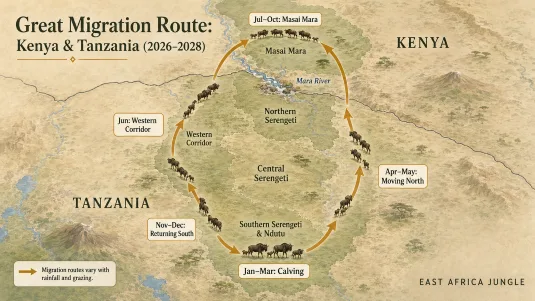
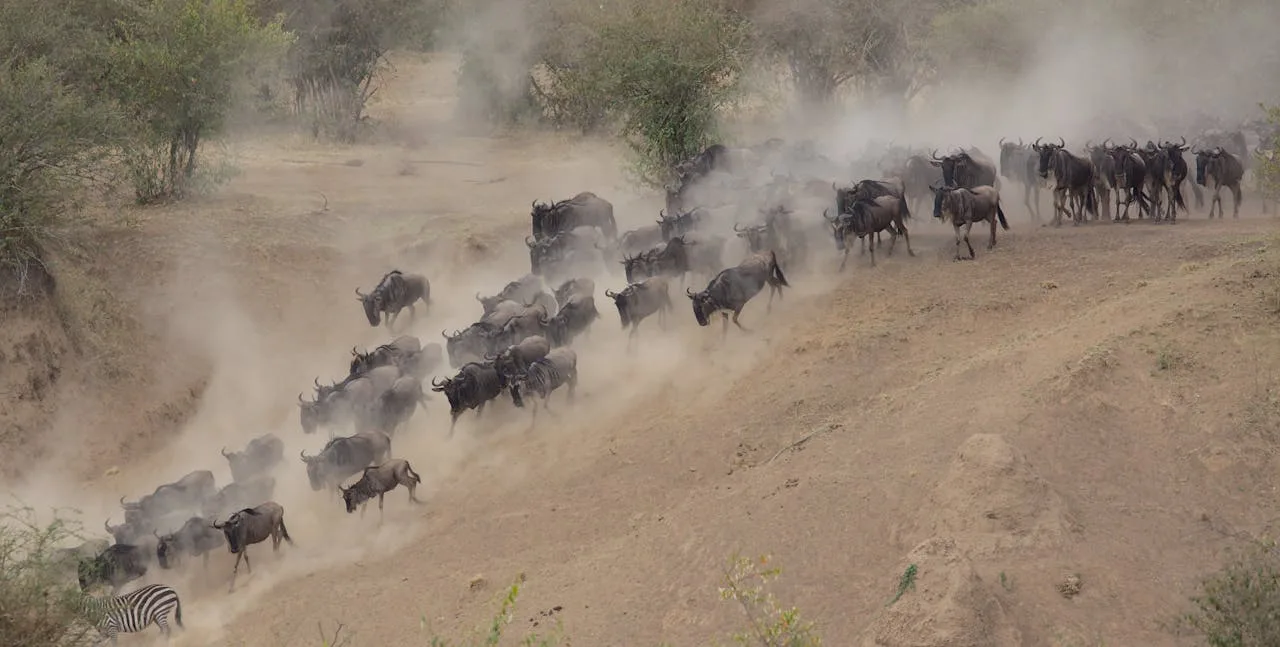
The Great Migration is a continuous, year-round journey rather than a single event. Over 1.5 million wildebeest, accompanied by hundreds of thousands of zebras and Thomson's gazelles, follow seasonal rainfall in search of fresh grazing across the Serengeti-Mara ecosystem. While the exact timing varies slightly each year depending on rainfall, the general migration pattern remains remarkably consistent.

If your goal is to witness the famous Mara River crossings, the best time to visit Kenya is from July to October, when the herds occupy the Masai Mara. However, every month offers a unique wildlife experience, from the calving season in southern Serengeti to predator-filled river crossings and the long journey back south.

MonthTypical herd locationMain experienceKenya relevance
JanuarySouthern Serengeti and NdutuCalving beginsNot normally in Kenya
FebruaryNdutu regionPeak calving and predatorsNot normally in Kenya
MarchSouthern SerengetiCalving herds begin dispersingNot normally in Kenya
AprilCentral SerengetiGreen-season movementNot normally in Kenya
MayWestern and central SerengetiHerds move northwestNot normally in Kenya
JuneWestern and northern SerengetiGrumeti and northward movementEarly planning period
JulyNorthern Serengeti and Masai MaraPossible Mara crossingsKenya season begins
AugustMasai Mara and northern SerengetiMajor herd concentrationsPeak Kenya period
SeptemberMasai MaraCrossings and predatorsExcellent Kenya period
OctoberMasai Mara and northern SerengetiLate-season crossingsVery good Kenya period
NovemberMoving south through SerengetiReturn migrationMost herds leave Kenya
DecemberCentral and southern SerengetiSouthward movementNot normally in Kenya

Migration locations are approximate. Rainfall, grazing and water availability influence the timing and route each year.

When Is the Best Time to See the Great Migration in Kenya?

For travellers visiting Kenya, the prime migration months are July through October. During this period, the Masai Mara National Reserve offers the highest chances of witnessing the spectacular Mara River crossings, enormous herds spread across the savannah, and incredible predator encounters involving lions, leopards, cheetahs, crocodiles and hyenas.

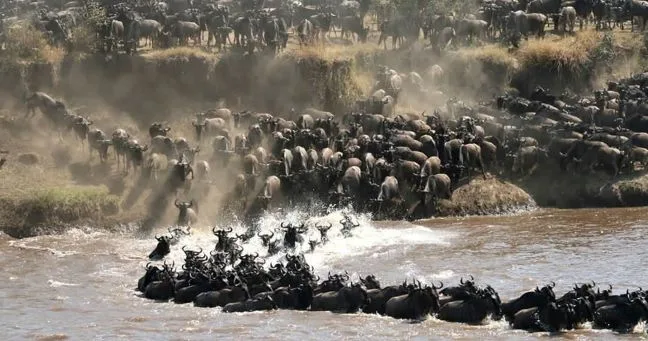
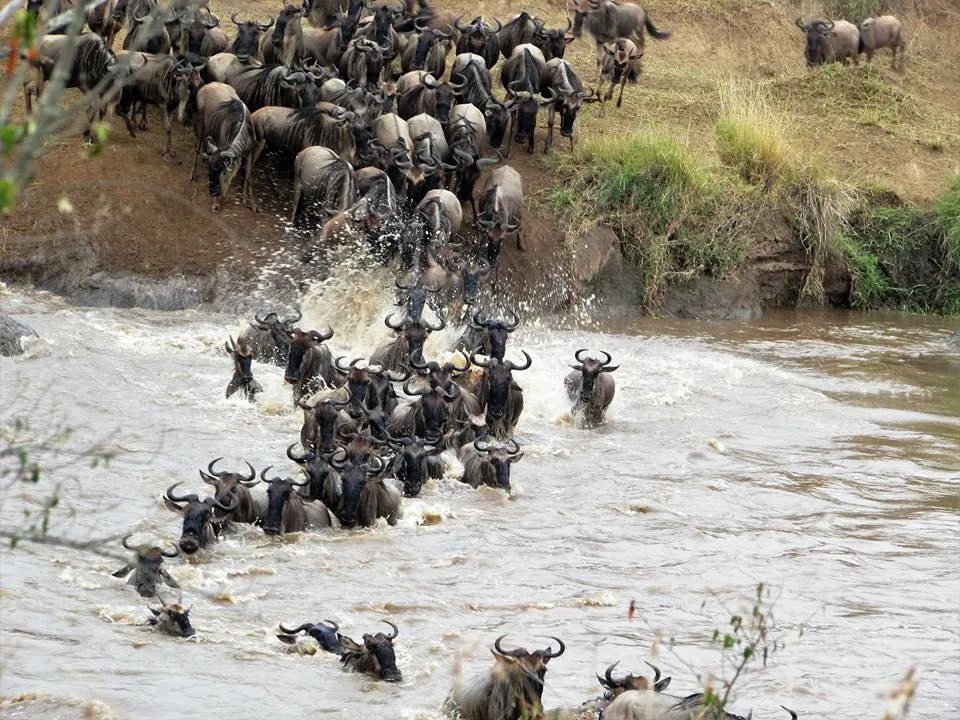
Although the river crossings attract worldwide attention, they cannot be predicted or guaranteed. The wildebeest may wait for hours—or even days—before deciding to cross. Experienced local guides monitor herd movements, weather conditions and wildlife behaviour to maximise the chances of being in the right place at the right time.


Expert Insight from East Africa Jungle

Our safari specialists recommend spending at least 4–6 days in the Masai Mara during the migration season rather than planning a short visit focused solely on a single river crossing. The Great Migration is far more than the crossing itself—watching thousands of wildebeest stretching across the plains, witnessing predator hunts and experiencing the incredible diversity of wildlife often creates even more memorable safari moments than the crossing alone.


Planning Your Great Migration Safari?

Our local Kenya safari specialists can help you choose the ideal travel dates based on historical migration patterns, current wildlife movements and your travel preferences, ensuring you enjoy the best possible Great Migration experience in 2026/2027.

Best Time to See the Great Migration in Kenya (2026/2027)

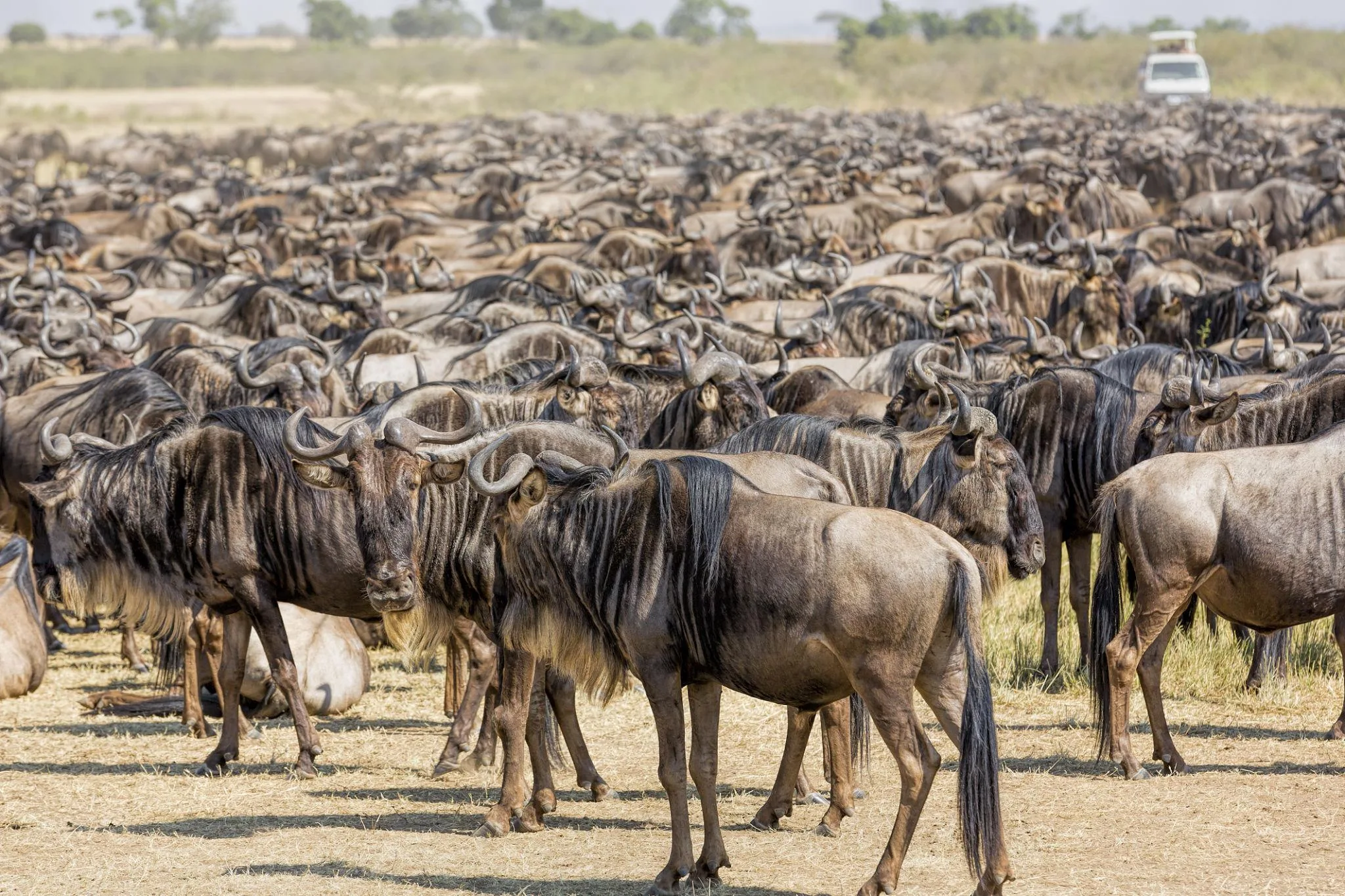
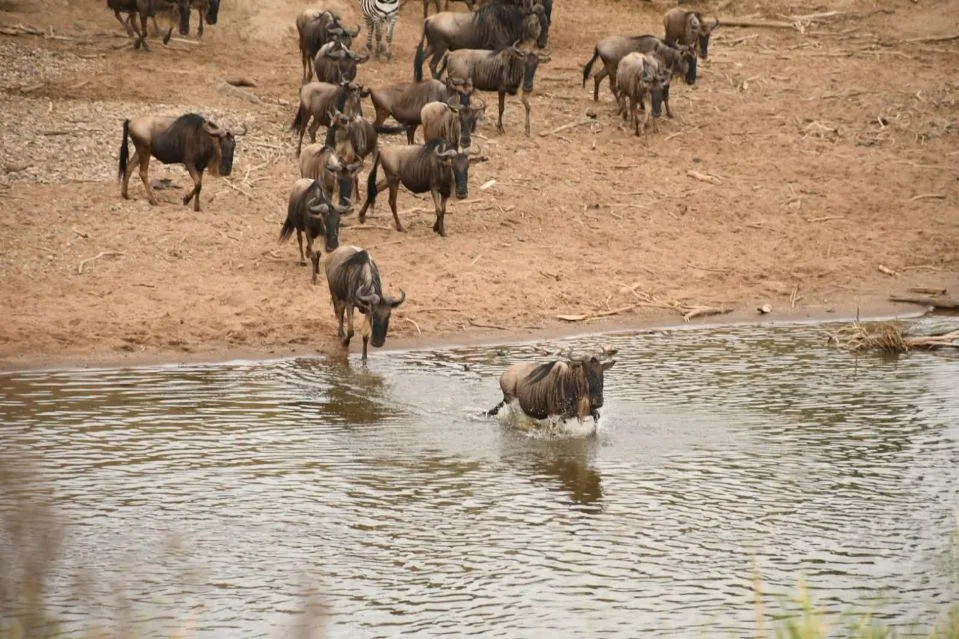
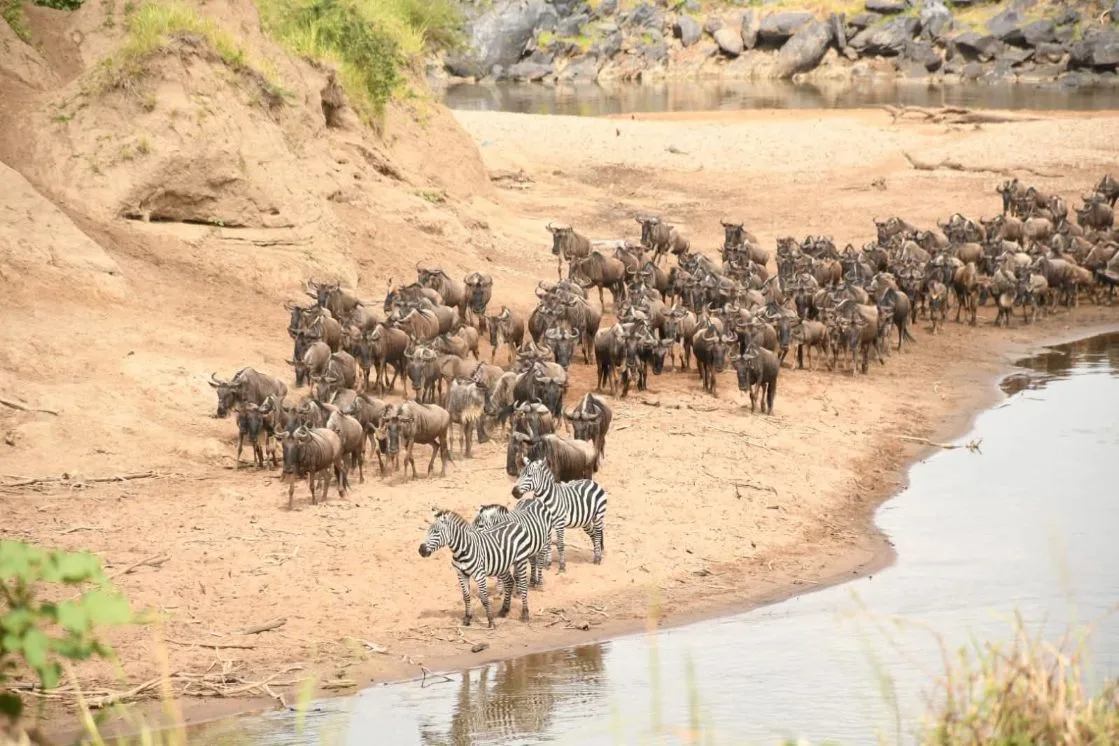
Wildebeest migration in Masai Mara

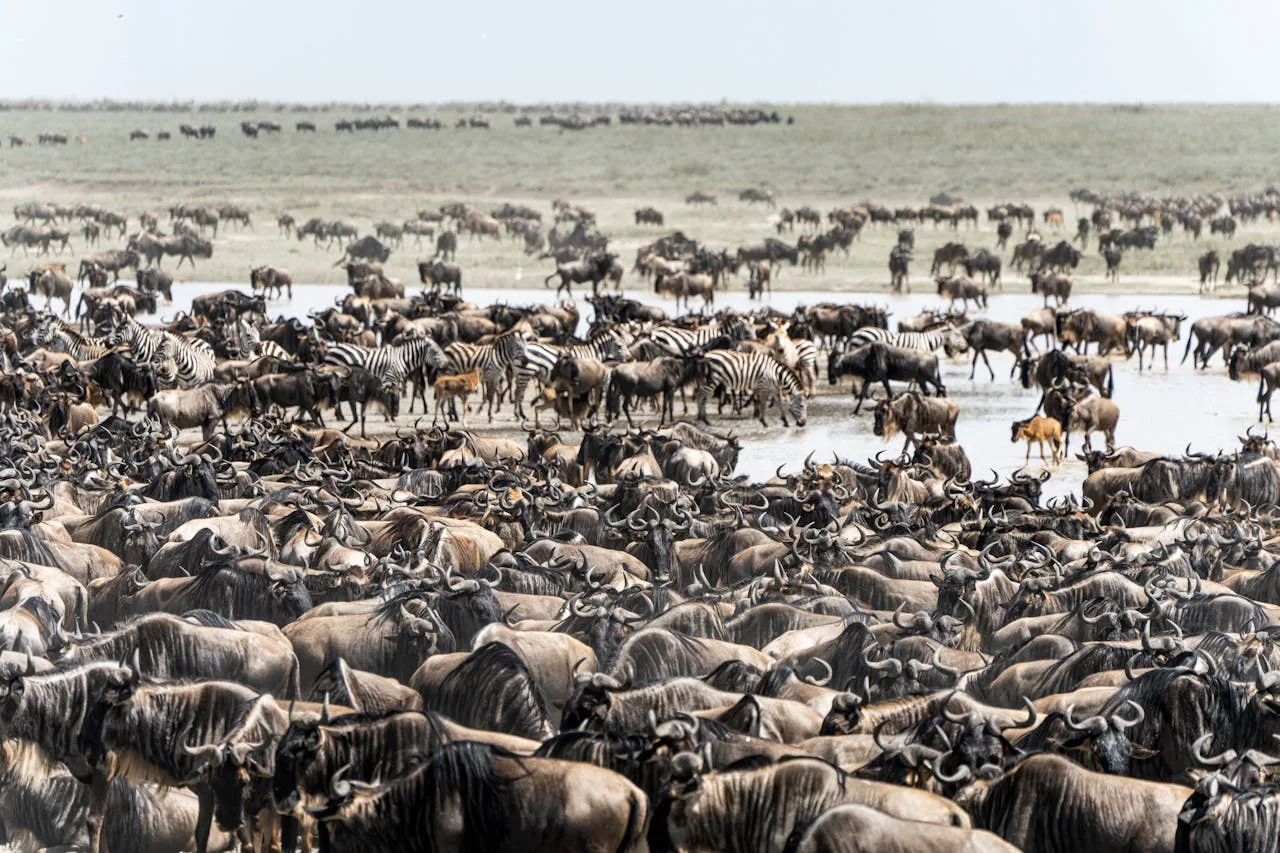
The best time to see the Great Migration in Kenya is generally from July to October, when more than 1.5 million wildebeest, accompanied by hundreds of thousands of zebras and gazelles, move from Tanzania's Serengeti into the Masai Mara National Reserve. This is the peak migration season and offers visitors the greatest opportunity to witness the spectacular Mara River crossings, thrilling predator-prey interactions and some of Africa's most rewarding wildlife viewing.

While the migration follows an annual cycle, it is a natural phenomenon influenced by rainfall, fresh grazing and animal behaviour. As a result, the exact timing and location of the herds can vary from year to year. Experienced safari guides monitor migration movements daily, allowing travellers to enjoy the best possible wildlife encounters throughout the season. Migration timing varies depending on rainfall and grazing conditions. For the latest information about Kenya's protected areas, visit the Kenya Wildlife Service (KWS).

If your travel dates are flexible, we recommend comparing our Best Time to Visit Kenya guide alongside our Kenya Safari Packages (2026/2027) to choose the itinerary that best matches the migration, weather conditions and the type of safari experience you're looking for.


July – The Migration Arrives in Kenya

July marks the beginning of Kenya's Great Migration season as the first large herds cross from the northern Serengeti into the Masai Mara. Depending on rainfall, some of the earliest Mara River crossings may occur during the second half of the month, while predators such as lions, cheetahs, hyenas and crocodiles become increasingly active around the migration routes.

Why Visit in July?

  • First major herds arrive in Kenya.
  • Early Mara River crossings begin.
  • Excellent Big Five sightings.
  • Pleasant daytime temperatures.
  • Ideal for visitors wanting fewer crowds than August.

Best For: First-time safari travellers, wildlife enthusiasts and photographers seeking greener landscapes.


August – Peak Mara River Crossing Season

August is widely regarded as the best month to witness the Great Migration in Kenya. Enormous herds gather along the banks of the Mara River before making dramatic crossings, creating unforgettable wildlife spectacles as crocodiles, lions and other predators wait nearby. Wildlife viewing is at its absolute peak, making this the most sought-after month for a Kenya safari.

Why Visit in August?

  • Peak Mara River crossings.
  • Massive concentrations of wildebeest.
  • Outstanding predator activity.
  • Excellent weather for game drives.
  • Incredible wildlife photography opportunities.

Best For: Bucket-list safaris, photographers, honeymooners and luxury travellers.


September – Peak Wildlife Viewing Continues

By September, the majority of the migration has spread across the Masai Mara's open plains. River crossings continue, although they may become less frequent than in August. Predator sightings remain exceptional as lions, cheetahs and leopards take advantage of the abundant prey across the reserve.

Why Visit in September?

  • Large herds throughout the Masai Mara.
  • Continued Mara River crossings.
  • Outstanding predator encounters.
  • Slightly fewer visitors than August.
  • Excellent conditions for photographers.

Best For: Wildlife photographers, returning safari visitors and families.


October – The Final Weeks of Kenya's Migration Season

October marks the final stage of the Great Migration in Kenya before the herds gradually begin their journey back into Tanzania with the arrival of the short rains. Wildlife viewing remains exceptional, with thousands of wildebeest still spread across the Masai Mara and predators continuing to hunt before the migration moves south.

Why Visit in October?

  • Large herds still present.
  • Excellent Big Five sightings.
  • Beautiful golden landscapes.
  • Fewer crowds than August.
  • Better accommodation availability.

Best For: Couples, photographers and travellers seeking a quieter safari experience.

MonthHerd SizeMara River CrossingsPredator SightingsCrowdsOverall Experience
July⭐⭐⭐⭐☆⭐⭐⭐⭐☆⭐⭐⭐⭐☆Moderate⭐⭐⭐⭐☆
August⭐⭐⭐⭐⭐⭐⭐⭐⭐⭐⭐⭐⭐⭐⭐High⭐⭐⭐⭐⭐
September⭐⭐⭐⭐⭐⭐⭐⭐⭐☆⭐⭐⭐⭐⭐Moderate⭐⭐⭐⭐⭐
October⭐⭐⭐⭐☆⭐⭐⭐☆☆⭐⭐⭐⭐⭐Lower⭐⭐⭐⭐☆

Expert Insight from East Africa Jungle

There is no single "perfect" day to witness a Mara River crossing. Some crossings happen within minutes, while others take hours—or don't happen at all despite thousands of wildebeest gathering along the riverbanks. Our safari guides follow daily wildlife reports, monitor herd behaviour and use years of local field experience to position guests where the best opportunities are likely to unfold. Many travellers discover that the lion hunts, cheetah chases and endless plains filled with wildlife become just as memorable as the river crossings themselves.


Our Recommendation

If your travel dates are flexible, we recommend planning your safari between late July and late September for the highest likelihood of witnessing the Great Migration at its most dramatic. For travellers looking for excellent wildlife viewing with fewer crowds and better accommodation availability, October offers outstanding value while still delivering an unforgettable Masai Mara safari experience.

Best Places to Witness the Great Migration in Kenya (2026/2027)

Choosing where to witness the Great Migration in Kenya is just as important as choosing when to travel. While the Masai Mara National Reserve is world-renowned for its spectacular Mara River crossings, the migration spreads across a vast ecosystem that includes private conservancies, river corridors and open savannahs, each offering a unique safari experience.

The location you choose will influence the type of wildlife encounters you enjoy, the number of safari vehicles you'll encounter, your chances of witnessing a river crossing, and the overall pace of your safari. Some areas are famous for dramatic crocodile-filled crossings, while others are better suited for photographers, families, honeymooners or travellers seeking exclusive game viewing away from the crowds.

Whether you're dreaming of watching thousands of wildebeest plunge into the Mara River, photographing big cats stalking the endless plains, or enjoying intimate game drives in private conservancies, Kenya offers some of the finest migration viewing anywhere in Africa. Understanding the strengths of each region will help you select the safari that best matches your travel style and expectations.

In this guide, our local safari specialists compare the best places to see the Great Migration in Kenya, including the iconic Masai Mara National Reserve, the Mara Triangle, and the surrounding conservancies. Drawing on years of guiding experience, we'll explain what makes each area unique, the best months to visit, the wildlife you can expect to see, and who each destination is best suited for—helping you plan an unforgettable Great Migration safari in 2026/2027.


Masai Mara National Reserve – The Heart of the Great Migration in Kenya

The Masai Mara National Reserve is the world's most famous destination for witnessing the Great Migration and is widely regarded as one of Africa's greatest wildlife spectacles. Covering approximately 1,510 square kilometres of rolling grasslands, acacia-dotted plains and riverine forests, the reserve becomes home to more than 1.5 million migrating wildebeest, accompanied by hundreds of thousands of zebras and Thomson's gazelles between July and October.

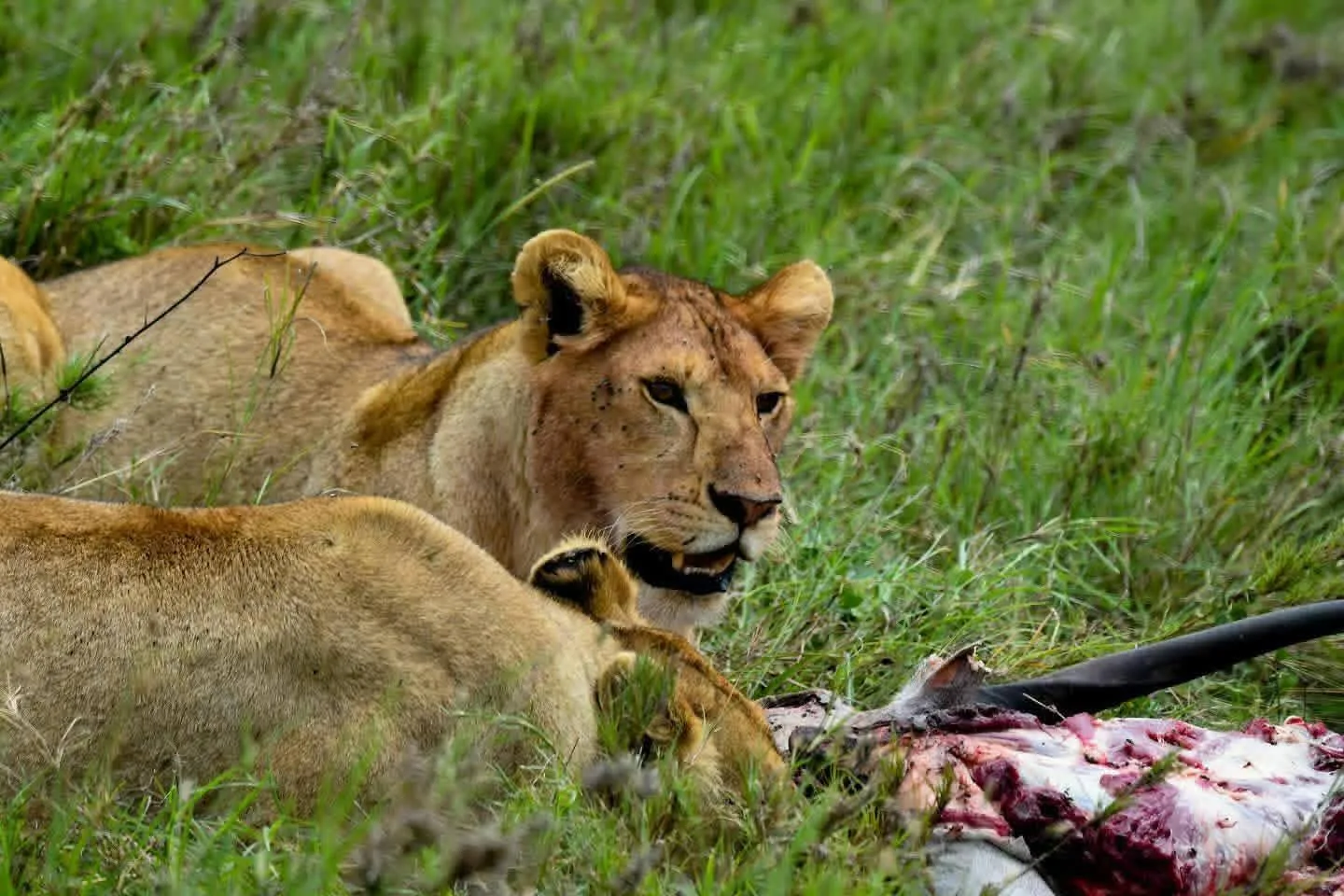
Every year, these enormous herds arrive from Tanzania's Serengeti in search of fresh grazing, transforming the Masai Mara into one of the richest wildlife ecosystems on Earth. Visitors have the opportunity to witness the legendary Mara River crossings, where thousands of wildebeest plunge into crocodile-filled waters while predators such as lions, leopards, cheetahs and hyenas patrol the surrounding plains. Combined with year-round populations of the Big Five, exceptional birdlife and breathtaking landscapes, the Masai Mara offers one of the finest safari experiences anywhere in Africa.

Unlike many wildlife destinations where sightings depend on luck, the Masai Mara consistently delivers extraordinary game viewing throughout the migration season. Even when river crossings are not taking place, the reserve offers remarkable opportunities to observe predator-prey interactions, large elephant herds, giraffes, buffalo, hippos, crocodiles and numerous antelope species against the backdrop of Kenya's iconic savannah.

Best Time to Visit the Masai Mara for the Great Migration

MonthWildlife ExperienceRecommendation
JulyFirst herds enter Kenya and early Mara River crossings begin. Excellent
AugustPeak migration with dramatic river crossings and exceptional predator activity. Best Month
SeptemberMassive herds remain across the reserve with continued crossings. Outstanding
OctoberHerds gradually begin moving south while wildlife viewing remains exceptional. Excellent

Wildlife You Can Expect to See

During migration season, the Masai Mara becomes one of the most wildlife-rich places on the African
WildlifeChance of Seeing
Wildebeest⭐⭐⭐⭐⭐
Zebra⭐⭐⭐⭐⭐
Lion⭐⭐⭐⭐⭐
Leopard⭐⭐⭐⭐☆
Cheetah⭐⭐⭐⭐⭐
Elephant⭐⭐⭐⭐⭐
Buffalo⭐⭐⭐⭐⭐
Black Rhino⭐⭐⭐☆☆
Hippo⭐⭐⭐⭐⭐
Nile Crocodile⭐⭐⭐⭐⭐
Giraffe⭐⭐⭐⭐⭐
Hyena⭐⭐⭐⭐⭐

What Makes the Masai Mara So Special?

Several factors make the Masai Mara one of the world's premier safari destinations:

  • Home to the iconic Mara River crossings, one of nature's most dramatic wildlife events.
  • High predator density, creating outstanding opportunities to witness natural hunting behaviour.
  • Open grassland landscapes provide excellent visibility for wildlife viewing and photography.
  • Year-round wildlife means exceptional safaris even outside the migration season.
  • Diverse accommodation options for every budget and travel style.
  • Easy accessibility by road from Nairobi or via scheduled flights to multiple airstrips within the reserve.

Accommodation Options

The Masai Mara offers accommodation to suit every traveller.

CategoryIdeal For
Budget CampsBackpackers, solo travellers and group joining safaris
Mid-range Tented CampsCouples and families seeking comfort and value
Luxury Safari LodgesHoneymooners and premium wildlife experiences
Ultra-Luxury CampsExclusive safaris with personalised guiding and premium service

Is the Masai Mara Right for You?

The Masai Mara is an excellent choice if you are looking for:

  • Your first African safari.
  • The highest chance of witnessing the Great Migration.
  • Big Five wildlife viewing.
  • Outstanding wildlife photography.
  • Family-friendly safari holidays.
  • Luxury honeymoon experiences.
  • Private or fly-in safari adventures.

Expert Insight from East Africa Jungle

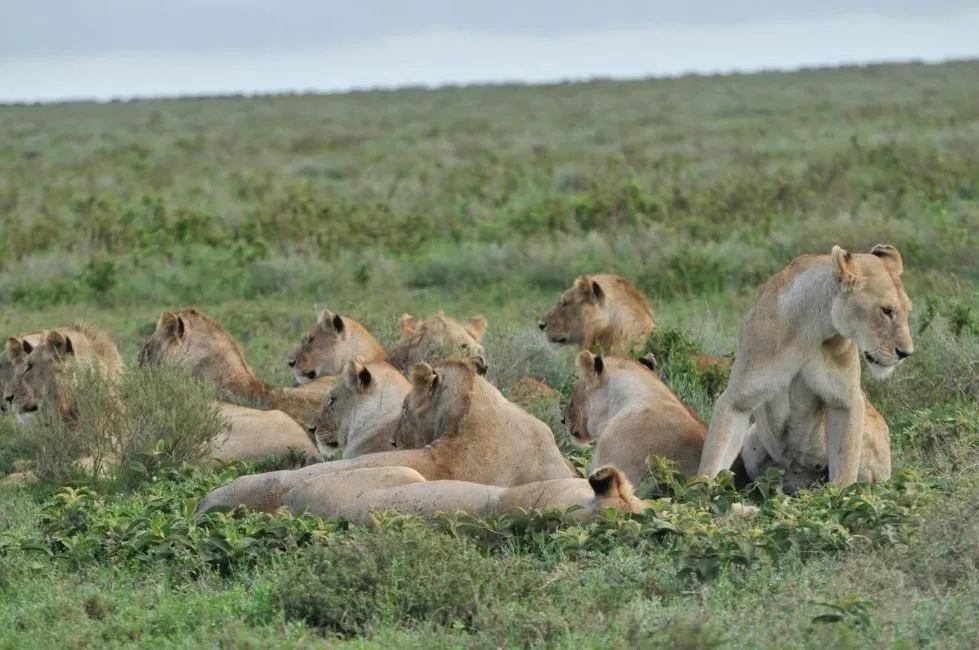
Although the Mara River crossings are the highlight for many visitors, they represent only a small part of the migration story. Some of our guests' most unforgettable moments come from watching lion prides hunt across the plains at sunrise, cheetahs chasing gazelles in open grasslands, or thousands of wildebeest stretching to the horizon. We recommend spending at least four nights in the Masai Mara to experience the migration at a relaxed pace and maximise your chances of witnessing different wildlife behaviours rather than focusing solely on a single river crossing.


Safari Specialist's Recommendation

Best for: 

  • First-time safari travellers
  • Wildlife photographers
  • Families
  • Couples and honeymooners
  • Luxury travellers
  • Big Five enthusiasts
  • Great Migration bucket-list adventures

    Mara Triangle – The Best Place to Witness Mara River Crossings & Exclusive Wildlife Viewing

Great Migration in Kenya

The Mara Triangle is widely regarded as one of the best places to witness the Great Migration in Kenya, particularly if your goal is to experience the spectacular Mara River crossings with fewer safari vehicles. Located in the north-western section of the Masai Mara ecosystem, the Mara Triangle covers approximately 510 square kilometres and is bordered by the Mara River to the east, the Oloololo Escarpment to the west and Tanzania's Serengeti National Park to the south.

Unlike the busier eastern areas of the Masai Mara, the Mara Triangle is professionally managed under a conservation-focused model, resulting in well-maintained roads, controlled vehicle numbers and an exceptional safari experience. During the Great Migration season (July to October), thousands of wildebeest gather along some of the Mara River's most famous crossing points before making dramatic attempts to cross crocodile-filled waters into fresh grazing areas. These crossings often attract lions, leopards, cheetahs, hyenas and scavenging vultures, creating some of Africa's most unforgettable wildlife encounters.

For travellers seeking breathtaking landscapes, outstanding wildlife viewing and a quieter safari atmosphere, the Mara Triangle offers one of the finest migration experiences in East Africa. Its combination of open grasslands, riverine forests and escarpment viewpoints also makes it a favourite destination for wildlife photographers and returning safari enthusiasts.


Why Visit the Mara Triangle During the Great Migration?

The Mara Triangle offers a more exclusive safari experience while still providing access to one of the world's greatest wildlife spectacles.

Highlights

  • One of the best locations for Mara River crossings.
  • Fewer safari vehicles compared to the central Masai Mara.
  • Excellent chances of seeing the Big Five.
  • Spectacular predator activity throughout the migration season.
  • Beautiful scenery featuring the Mara River and Oloololo Escarpment.
  • Outstanding opportunities for wildlife photography.
  • Professionally managed conservation area with excellent game-drive roads. 

Best Time to Visit the Mara Triangle

MonthWildlife ExperienceRecommendation
JulyFirst large herds begin entering Kenya and approaching the Mara River.⭐⭐⭐⭐☆
AugustPeak river crossing season with exceptional wildlife activity.⭐⭐⭐⭐⭐
SeptemberMassive herds remain throughout the Triangle with continued crossings.⭐⭐⭐⭐⭐
OctoberWildlife remains outstanding as herds gradually begin moving south.⭐⭐⭐⭐☆

Wildlife You Can Expect to See

The Mara Triangle supports an incredible diversity of wildlife throughout the year, with migration season providing some of the highest wildlife densities anywhere in Africa.

WildlifeChance of Seeing
Wildebeest⭐⭐⭐⭐⭐
Zebra⭐⭐⭐⭐⭐
Lion⭐⭐⭐⭐⭐
Leopard⭐⭐⭐⭐☆
Cheetah⭐⭐⭐⭐☆
Elephant⭐⭐⭐⭐⭐
Buffalo⭐⭐⭐⭐⭐
Black Rhino⭐⭐⭐☆☆
Hippo⭐⭐⭐⭐⭐
Nile Crocodile⭐⭐⭐⭐⭐
Hyena⭐⭐⭐⭐⭐
Giraffe⭐⭐⭐⭐⭐

What Makes the Mara Triangle Unique?

The Mara Triangle has several advantages that distinguish it from other parts of the Masai Mara ecosystem.

Exclusive Wildlife Viewing

Strict conservation management and controlled vehicle numbers create a quieter and more enjoyable safari experience.

Famous Mara River Crossing Points

Several of the Mara River's most dramatic crossing locations are found within the Mara Triangle, offering excellent opportunities to witness thousands of wildebeest entering the river.

Spectacular Landscapes

The combination of rolling savannahs, river valleys and the dramatic Oloololo Escarpment creates some of the most beautiful scenery in the Masai Mara ecosystem.

Outstanding Photography

Open plains, fewer vehicles and golden light make the Mara Triangle one of Kenya's premier wildlife photography destinations.

Excellent Year-Round Game Viewing

Even outside the migration season, resident wildlife ensures exceptional safaris throughout the year.


Accommodation Options

The Mara Triangle offers a selection of carefully positioned safari camps and lodges that provide quick access to migration activity.

CategoryIdeal For
Mid-range Safari CampsCouples and families
Luxury Tented CampsHoneymooners and photographers
Exclusive Safari LodgesLuxury travellers seeking privacy
Fly-in CampsPremium migration experiences

Most properties are strategically located to minimise driving time to key river crossing points during migration season.


Is the Mara Triangle Right for You?

The Mara Triangle is perfect if you are looking for:

  • A quieter safari experience with fewer vehicles.
  • Excellent opportunities to witness Mara River crossings.
  • Luxury or fly-in safari holidays.
  • Professional wildlife photography.
  • Exclusive game drives.
  • Big Five sightings combined with the Great Migration.

Expert Insight from East Africa Jungle

Many experienced safari travellers choose the Mara Triangle over busier parts of the Masai Mara because of its excellent conservation management and lower vehicle density. Our guides often recommend staying here during peak migration season, as the shorter travel distances to several major crossing points can provide valuable extra time when following herd movements. While no location can guarantee a river crossing, the Mara Triangle consistently delivers exceptional wildlife encounters and one of the most rewarding safari experiences in Kenya.


Safari Specialist's Recommendation

Best for: 

  • Great Migration safaris
  • Wildlife photographers
  • Luxury travellers
  • Couples and honeymooners
  • Returning safari visitors
  • Big Five enthusiasts
  • Fly-in safari holidays

Mara North Conservancy – The Best Luxury Destination for the Great Migration in Kenya

Wildebeest migration in Masai Mara


Bordering the north-western edge of the Masai Mara National Reserve, Mara North Conservancy is one of Kenya's most exclusive wildlife conservation areas and a premier destination for travellers seeking a luxury Great Migration safari. Covering more than 74,000 acres (approximately 30,000 hectares), the conservancy is a partnership between Maasai landowners and leading safari operators, creating a sustainable tourism model that protects wildlife while delivering exceptional safari experiences.

During the Great Migration, large herds of wildebeest and zebras regularly move through Mara North as they travel between the Masai Mara and neighbouring conservancies. Although the conservancy is not primarily known for the dramatic Mara River crossings, it offers outstanding opportunities to witness migrating herds in a quieter setting, often without the crowds found in some areas of the national reserve. The open grasslands, seasonal rivers and acacia woodlands also support healthy populations of lions, leopards, cheetahs, elephants, giraffes, buffalo and numerous bird species throughout the year.

One of the greatest advantages of staying in Mara North Conservancy is the combination of exclusive wildlife viewing, luxury accommodation and extended safari activities. Many camps offer guided bush walks, sundowner experiences and carefully managed off-road game viewing where permitted under conservancy regulations, allowing guests to enjoy a more personalised safari than is possible inside the national reserve alone.


Why Visit Mara North Conservancy During the Great Migration?

Mara North offers an exclusive safari experience that combines migration wildlife with luxury, privacy and conservation.

Highlights

  • Large migration herds regularly move through the conservancy.
  • Significantly fewer safari vehicles than the national reserve.
  • Excellent resident populations of lions, leopards and cheetahs.
  • Home to some of Kenya's finest luxury tented camps.
  • Opportunities for guided bush walks and cultural experiences.
  • Outstanding wildlife photography with minimal vehicle congestion.
  • Supports community-based conservation and Maasai livelihoods.

Best Time to Visit Mara North Conservancy

MonthWildlife ExperienceRecommendation
JulyEarly migration herds begin arriving.⭐⭐⭐⭐☆
AugustPeak migration activity with excellent predator sightings.⭐⭐⭐⭐⭐
SeptemberLarge herds remain throughout the conservancy.⭐⭐⭐⭐⭐
OctoberContinued wildlife viewing as herds begin moving south.⭐⭐⭐⭐☆

Wildlife You Can Expect to See

Mara North Conservancy supports abundant resident wildlife throughout the year, with migration season bringing even greater concentrations of animals.

WildlifeChance of Seeing
Wildebeest⭐⭐⭐⭐⭐
Zebra⭐⭐⭐⭐⭐
Lion⭐⭐⭐⭐⭐
Leopard⭐⭐⭐⭐⭐
Cheetah⭐⭐⭐⭐☆
Elephant⭐⭐⭐⭐⭐
Buffalo⭐⭐⭐⭐⭐
Giraffe⭐⭐⭐⭐⭐
Hyena⭐⭐⭐⭐⭐
Eland⭐⭐⭐⭐☆
Topi⭐⭐⭐⭐⭐
Bird Species450+ Recorded

What Makes Mara North Conservancy Unique?

Exclusive Safari Experience

Visitor numbers are carefully managed, resulting in quieter game drives and a more intimate wildlife experience.

Exceptional Big Cat Sightings

The conservancy has earned an outstanding reputation for its resident lion prides, elusive leopards and cheetahs, making it one of Kenya's best destinations for predator enthusiasts.

Luxury Accommodation

Mara North is home to several award-winning safari camps offering personalised service, exceptional guiding and prime wildlife locations.

Conservation Success

Tourism revenue directly supports local Maasai communities and long-term wildlife conservation, creating a sustainable model that benefits both people and nature.

Extended Safari Activities

Depending on camp policies, guests may enjoy activities such as bush walks, sundowners and cultural visits that complement traditional game drives.


Accommodation Options

Mara North Conservancy specialises in high-quality safari accommodation designed for travellers seeking comfort and exclusivity.

CategoryIdeal For
Luxury Tented CampsCouples and photographers
Boutique Safari CampsFamilies and small groups
Premium Fly-in CampsLuxury travellers
Exclusive-Use CampsPrivate groups and multi-generational families

Is Mara North Conservancy Right for You?

Choose Mara North Conservancy if you are looking for:

  • A luxury Great Migration safari.
  • Outstanding big cat photography.
  • Fewer safari vehicles.
  • Honeymoon or anniversary travel.
  • High-quality guiding and personalised service.
  • A safari that supports conservation and local communities.

Expert Insight from East Africa Jungle

For guests who value quality over quantity, Mara North Conservancy is one of our favourite recommendations. While many visitors focus exclusively on the Mara River crossings, Mara North offers something equally rewarding—peaceful game drives, remarkable predator sightings and beautifully positioned camps where wildlife often passes directly through the surrounding plains. It's an excellent choice for travellers who want to experience the Great Migration without spending every game drive surrounded by multiple vehicles.


Safari Specialist's Recommendation

Best for: 

  • Luxury safaris
  • Honeymoon couples
  • Wildlife photographers
  • Returning safari travellers
  • Families seeking exclusive experiences
  • Big cat enthusiasts
  • Fly-in safari holidays

Best Luxury Camps in Mara North Conservancy

Some of Kenya's most acclaimed safari camps are located within Mara North Conservancy, offering exceptional access to wildlife and personalised guiding.

  • Karen Blixen Camp
  • Neptune Mara Rianta Luxury Camp
  • Saruni Mara
  • Royal Mara Safari Lodge
  • Kicheche Mara Camp
  • Elephant Pepper Camp

These camps combine excellent service with strategic locations for both resident wildlife and seasonal migration movements.


Olare Motorogi Conservancy – Best for Big Cats & Exclusive Great Migration Safaris

Located along the northern boundary of the Masai Mara National Reserve, Olare Motorogi Conservancy is one of Kenya's premier private conservancies and a favourite among wildlife photographers and experienced safari travellers. Although the main Mara River crossings take place inside the Masai Mara and Mara Triangle, migrating herds frequently move through Olare Motorogi between July and October, attracting an exceptional concentration of predators.

The conservancy is renowned for its healthy populations of lions, leopards and cheetahs, making it one of the best places to witness dramatic predator-prey interactions during the Great Migration. With strict limits on visitor numbers, guests enjoy quieter game drives, personalised guiding and outstanding photographic opportunities.

Why Visit Olare Motorogi Conservancy?

  • Excellent sightings of lions, leopards and cheetahs.
  • Seasonal Great Migration herds from July to October.
  • Low vehicle density for a more exclusive safari.
  • Luxury tented camps in prime wildlife areas.
  • Outstanding wildlife photography and scenic landscapes.

Best Time to Visit

MonthExperience
JulyMigration herds begin arriving. ⭐⭐⭐⭐☆
AugustPeak wildlife activity and predator sightings. ⭐⭐⭐⭐⭐
SeptemberLarge herds and exceptional game viewing. ⭐⭐⭐⭐⭐
OctoberContinued migration with fewer visitors. ⭐⭐⭐⭐☆

Best For

  • Wildlife photographers
  • Luxury safari travellers
  • Big cat enthusiasts
  • Honeymoon couples
  • Returning safari visitors

Expert Insight: If your priority is photographing lions, leopards and cheetahs in a quieter setting, Olare Motorogi Conservancy consistently delivers one of the finest safari experiences in the Greater Masai Mara ecosystem. Its combination of seasonal migration herds and residents.


Naboisho Conservancy – Best for Exclusive Wildlife Viewing & Conservation Safaris

5 Days Kenya Migration Tour

Naboisho Conservancy is one of the Greater Masai Mara's leading community conservancies, offering an exclusive safari experience with outstanding wildlife viewing and very low visitor numbers. Bordering the north-eastern edge of the Masai Mara National Reserve, the conservancy occasionally hosts sections of the Great Migration between July and October, while its abundant resident wildlife makes it an exceptional year-round safari destination.

Known for its thriving lion population, large elephant herds and conservation-focused tourism, Naboisho is ideal for travellers seeking an authentic safari away from the busier areas of the reserve. The conservancy also offers activities such as guided walking safaris and night game drives (where permitted), providing experiences not available inside the national reserve.

Why Visit Naboisho Conservancy?

  • Exclusive safari experience with very few vehicles.
  • Seasonal Great Migration wildlife from July to October.
  • Excellent sightings of lions, elephants and giraffes.
  • Walking safaris and night game drives.
  • Community-led conservation supporting local Maasai families.

Best Time to Visit

MonthExperience
JulyEarly migration activity. ⭐⭐⭐⭐☆
AugustExcellent wildlife viewing. ⭐⭐⭐⭐⭐
SeptemberPeak safari experience. ⭐⭐⭐⭐⭐
OctoberOutstanding game viewing with fewer crowds. ⭐⭐⭐⭐☆

Best For

  • Nature lovers
  • Families
  • Luxury travellers
  • Walking safari enthusiasts
  • Conservation-minded travellers

Expert Insight: Naboisho Conservancy is perfect for travellers who value quality wildlife experiences over busy game-drive circuits. While it doesn't offer the famous Mara River crossings, its peaceful atmosphere, exceptional guiding and abundant resident wildlife make it one of our top recommendations for a luxury Great Migration safari.

Talek Region – Best Value for Great Migration Safaris

The Talek Region is one of the most popular areas for experiencing the Great Migration in Kenya, offering excellent wildlife viewing, easy access to the Masai Mara National Reserve, and a wide range of accommodation to suit every budget. Located near Talek Gate, this area places visitors close to many of the migration's main grazing grounds and several well-known river crossing points.

During the Great Migration season (July to October), large herds of wildebeest and zebras move through the Talek plains, attracting lions, cheetahs, leopards and hyenas. Its central location also makes it an excellent base for exploring different parts of the Masai Mara on full-day game drives.

Why Visit the Talek Region?

  • Excellent access to the Masai Mara National Reserve.
  • Great opportunities to see migration herds and Big Five wildlife.
  • Wide choice of budget, mid-range and luxury safari camps.
  • Ideal base for full-day game drives across the reserve.
  • Excellent value for money compared to private conservancies.

Best Time to Visit

MonthExperience
JulyMigration herds begin arriving. ⭐⭐⭐⭐☆
AugustPeak migration and excellent predator sightings. ⭐⭐⭐⭐⭐
SeptemberLarge herds across the plains. ⭐⭐⭐⭐⭐
OctoberOutstanding wildlife with fewer visitors. ⭐⭐⭐⭐☆

Best For

  • First-time safari travellers
  • Families
  • Budget and mid-range safaris
  • Group joining safaris
  • Travellers seeking excellent value

Expert Insight: The Talek Region offers one of the best balances between affordability and wildlife viewing. Its central location allows our guides to quickly reach different migration hotspots each day, making it an excellent choice for travellers who want to maximise their safari experience while keeping costs under control.


Musiara Area – Best for Iconic River Crossings & Legendary Big Cat Sightings

The Musiara Area, located in the northern section of the Masai Mara National Reserve, is one of the most celebrated wildlife regions in Kenya. Famous for Musiara Marsh, its resident lion prides and proximity to several renowned Mara River crossing points, this area offers exceptional wildlife viewing throughout the Great Migration season (July to October).

Large herds of wildebeest and zebras regularly pass through Musiara as they move between grazing areas, attracting lions, leopards, cheetahs and hyenas. The combination of open plains, marshland and nearby river crossings makes Musiara one of the best locations for travellers hoping to experience both the migration and the Big Five on a single safari.

Why Visit the Musiara Area?

  • Close to several famous Mara River crossing points.
  • Excellent year-round Big Five wildlife viewing.
  • Renowned for lion, leopard and cheetah sightings.
  • Beautiful marshes, open plains and river habitats.
  • Home to some of the Masai Mara's finest safari camps.

Best Time to Visit

MonthExperience
JulyEarly migration activity. ⭐⭐⭐⭐☆
AugustPeak migration and river crossing opportunities. ⭐⭐⭐⭐⭐
SeptemberOutstanding wildlife and predator encounters. ⭐⭐⭐⭐⭐
OctoberExcellent safari experience with fewer crowds. ⭐⭐⭐⭐☆

Best For

  • First-time safari visitors
  • Wildlife photographers
  • Big Five enthusiasts
  • Luxury and fly-in safaris
  • Great Migration bucket-list adventures

Expert Insight: If you want a safari that combines Mara River crossings, exceptional Big Five sightings and some of the Masai Mara's most iconic landscapes, Musiara is one of our top recommendations. Spending several nights here gives our guides the flexibility to follow herd movements while also exploring areas known for resident lions, leopards and elephants.


Compare the Best Places to Witness the Great Migration in Kenya

DestinationBest ForRiver CrossingsCrowdsOverall Rating
Masai Mara National ReserveFirst-time visitors & all-round safari⭐⭐⭐⭐⭐High⭐⭐⭐⭐⭐
Mara TriangleRiver crossings & fewer vehicles⭐⭐⭐⭐⭐Low⭐⭐⭐⭐⭐
Mara North ConservancyLuxury safaris & big cats⭐⭐⭐⭐☆Very Low⭐⭐⭐⭐⭐
Olare Motorogi ConservancyBig cat photography⭐⭐⭐⭐☆Very Low⭐⭐⭐⭐⭐
Naboisho ConservancyConservation & exclusive safaris⭐⭐⭐☆☆Very Low⭐⭐⭐⭐☆
Talek RegionBest value & easy access⭐⭐⭐⭐☆Moderate⭐⭐⭐⭐☆
Musiara AreaIconic wildlife & Big Five⭐⭐⭐⭐⭐Moderate⭐⭐⭐⭐⭐

Expert Recommendation from East Africa Jungle

If your goal is to witness the most dramatic Mara River crossings, we recommend staying in the Mara Triangle or Musiara Area during August and September. If you prefer luxury accommodation, quieter game drives and exceptional predator photography, Mara North Conservancy and Olare Motorogi Conservancy offer an outstanding safari experience. Travellers looking for excellent value without compromising wildlife viewing will find the Talek Region an ideal base, while Naboisho Conservancy is perfect for those seeking an exclusive, conservation-focused safari.

This combination of destinations allows you to choose the Great Migration experience that best matches your budget, travel style and wildlife interests while maximising your chances of enjoying one of Africa's greatest natural spectacles.

Compare Our Best Great Migration Safari Packages (2026/2027)

Whether you're planning a quick safari to witness the famous Mara River crossings or a longer adventure across Kenya's iconic wildlife destinations, our Great Migration safari packages are carefully designed around the seasonal movements of the herds. Browse our recommended itineraries below and choose the experience that best matches your travel style, budget and interests.

No.Safari PackageDurationDestinationsBest For
13-Day Great Migration Safari3 Days / 2 NightsMasai MaraShort Wildlife Escape
24-Day Great Migration Safari4 Days / 3 NightsMasai MaraFirst-Time Visitors
35-Day Great Migration Safari5 Days / 4 NightsMasai MaraRiver Crossings & Photography
46-Day Great Migration Safari6 Days / 5 NightsLake Naivasha & Masai MaraFamilies
57-Day Great Migration Safari7 Days / 6 NightsLake Nakuru & Masai MaraComplete Kenya Safari
68-Day Great Migration Safari8 Days / 7 NightsAmboseli, Lake Naivasha & Masai MaraBig Five & Migration
7Luxury Fly-in Great Migration Safari4–7 DaysMasai Mara ConservanciesLuxury Travel
8Kenya & Tanzania Great Migration Safari10–14 DaysMasai Mara, Serengeti & NgorongoroUltimate Migration Safari

1. 3-Day Great Migration Safari

The 3-Day Great Migration Safari is the perfect choice for travellers with limited time who want to experience Kenya's most famous wildlife spectacle. Explore the Masai Mara National Reserve, search for the Big Five, and enjoy excellent opportunities to witness the Great Migration and the dramatic Mara River crossings during the peak season.

Duration: 3 Days / 2 Nights

Destinations: Masai Mara National Reserve

Perfect For: Travellers with limited time.

Safari Highlights

  • Great Migration game drives
  • Big Five wildlife
  • Mara River crossing opportunities
  • Private 4×4 Land Cruiser

Short Itinerary

Day 1: Nairobi → Masai Mara, afternoon game drive.

Day 2: Full-day game drive following the Great Migration and Mara River crossings.

Day 3: Sunrise game drive before returning to Nairobi.

 View 3-Day Great Migration Safari


2. 4-Day Kenya Affordable Safari

With an additional day in the Masai Mara, this safari provides more flexibility to follow the migration herds and explore different wildlife-rich areas of the reserve. It's an excellent option for first-time visitors looking to increase their chances of witnessing river crossings, predator action and unforgettable Big Five encounters.

Duration: 4 Days / 3 Nights

Destinations: Masai Mara National Reserve

Perfect For: First-time safari visitors.

Safari Highlights

  • Three extended game drives
  • River crossing opportunities
  • Big Five wildlife
  • Optional Maasai village visit

Short Itinerary

Day 1: Nairobi to Masai Mara.

Day 2: Full-day Great Migration safari.

Day 3: Explore different sectors of the reserve and search for predator action.

Day 4: Morning game drive before returning to Nairobi.

 View 4-Day Kenya Affordable Safari


3. 5-Day Kenya Big Five Safari

Our 5-Day Kenya Big Five Safari offers the ideal balance between adventure and comfort, allowing plenty of time to follow the seasonal movement of the wildebeest. Perfect for wildlife enthusiasts and photographers, this itinerary maximises your opportunities to witness river crossings, predator interactions and the incredible diversity of the Masai Mara ecosystem.

Duration: 5 Days / 4 Nights

Destinations: Masai Mara National Reserve

Perfect For: Wildlife photographers.

Safari Highlights

  • Multiple Mara River crossing locations
  • Full-day game drives
  • Big Five encounters
  • Golden-hour photography

Short Itinerary

Day 1: Nairobi → Masai Mara.

Days 2–4: Full-day migration safaris following herd movements and predator activity.

Day 5: Morning game drive and return to Nairobi.

 View 5-Day Kenya Big Five Safari


4. 6-Day Kenya Unforgettable Safari

This carefully designed itinerary combines the spectacular Great Migration with the beautiful landscapes of Lake Naivasha, creating a more diverse Kenya safari experience. Enjoy thrilling game drives, a relaxing boat safari and exceptional wildlife encounters while travelling at a comfortable pace.

Duration: 6 Days / 5 Nights

Destinations: Lake Naivasha • Masai Mara

Perfect For: Families and couples.

Safari Highlights

  • Great Migration
  • Boat safari on Lake Naivasha
  • Crescent Island walk
  • Big Five game drives

Short Itinerary

Day 1: Nairobi → Lake Naivasha.

Day 2: Boat safari before travelling to Masai Mara.

Days 3–5: Great Migration game drives.

Day 6: Return to Nairobi.

 View 6-Day Kenya Unforgettable Safari


5. 7-Day Kenya Family Safari

Experience the very best of Kenya's wildlife on this comprehensive 7-Day Kenya Family Safari, combining the world-famous Masai Mara with the scenic Rift Valley. Discover rhinos in Lake Nakuru National Park, enjoy a boat safari on Lake Naivasha, and spend several unforgettable days following the Great Migration across the Masai Mara

Duration: 7 Days / 6 Nights

Destinations: Lake Nakuru • Lake Naivasha • Masai Mara

Perfect For: Travellers wanting a complete Kenya safari.

Safari Highlights

  • Great Migration
  • Big Five
  • Lake Nakuru rhinos
  • Flamingos (seasonal)
  • Boat safari

Short Itinerary

Day 1: Nairobi → Lake Nakuru.

Day 2: Lake Nakuru → Lake Naivasha.

Day 3: Lake Naivasha → Masai Mara.

Days 4–6: Full-day Great Migration safaris.

Day 7: Return to Nairobi.

 View 7-Day Kenya Family Safari


6. 8-Day Great Migration Safari

Perfect for travellers wanting to experience Kenya's most iconic national parks, this safari combines the elephant-filled plains of Amboseli National Park, the tranquil waters of Lake Naivasha, and the spectacular wildlife of the Masai Mara during the Great Migration season for an unforgettable Big Five adventure.

Duration: 8 Days / 7 Nights

Destinations: Amboseli • Lake Naivasha • Masai Mara

Perfect For: Big Five enthusiasts.

Safari Highlights

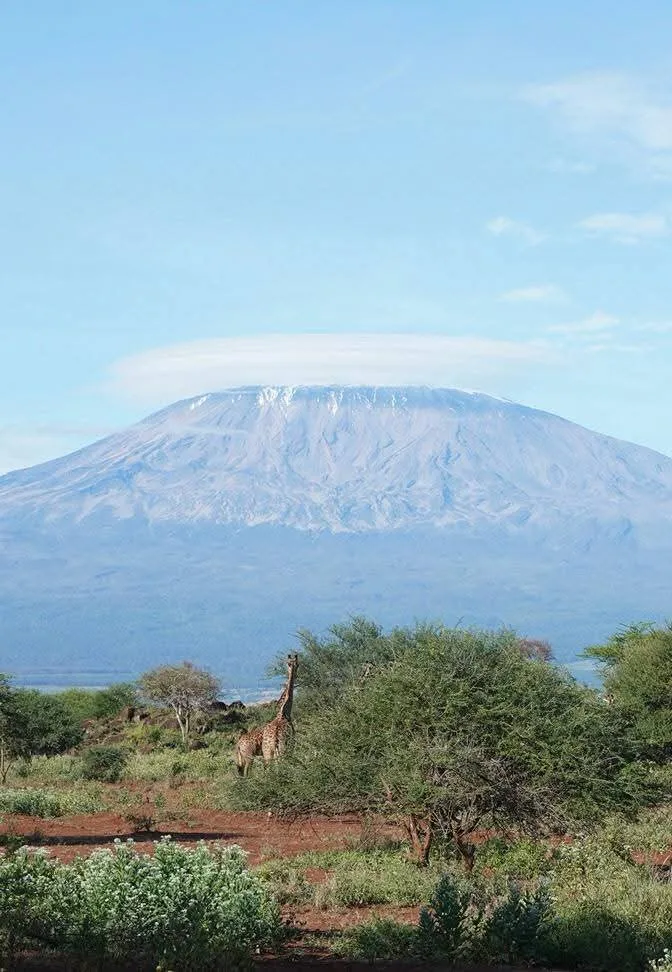
  • Mount Kilimanjaro views
  • Elephant herds
  • Great Migration
  • Boat safari
  • Big Five

Short Itinerary

Days 1–2: Amboseli National Park.

Day 3: Lake Naivasha.

Days 4–7: Masai Mara Great Migration safari.

Day 8: Return to Nairobi.

 View 8-Day Great Migration Safari


7.8- Luxury Fly-in Great Migration Safari

Skip the long road transfers and fly directly into the heart of the Masai Mara for an exclusive luxury safari experience. Stay in premium tented camps, enjoy personalised game drives with expert guides and witness the Great Migration in comfort while surrounded by some of Africa's most breathtaking landscapes.

Duration: 4–7 Days

Destinations: Masai Mara Conservancies

Perfect For: Luxury travellers and honeymooners.

Safari Highlights

  • Scheduled flights
  • Luxury tented camps
  • Exclusive conservancy game drives
  • Personal safari guide

Short Itinerary

Day 1: Flight to Masai Mara.

Days 2–7: Luxury game drives following the Great Migration.

Final Day: Flight back to Nairobi.

 View 8-Luxury Fly-in Great Migration Safari

Find Your Perfect Great Migration Safari

Compare our handpicked Great Migration safari packages and choose the itinerary that best suits your travel dates, budget and preferred safari style.

View All Great Migration Safari Packages

Where to Stay During the Great Migration in Kenya (2026/2027)

Choosing where to stay during the Great Migration in Kenya is one of the most important decisions you'll make when planning your safari. While many travellers focus on witnessing the famous Mara River crossings, the location of your safari camp or lodge plays a crucial role in your overall experience. Staying in the right area can reduce travel time to key wildlife hotspots, increase your chances of witnessing the migration, and provide quicker access to the incredible wildlife that makes the Masai Mara National Reserve one of Africa's premier safari destinations.

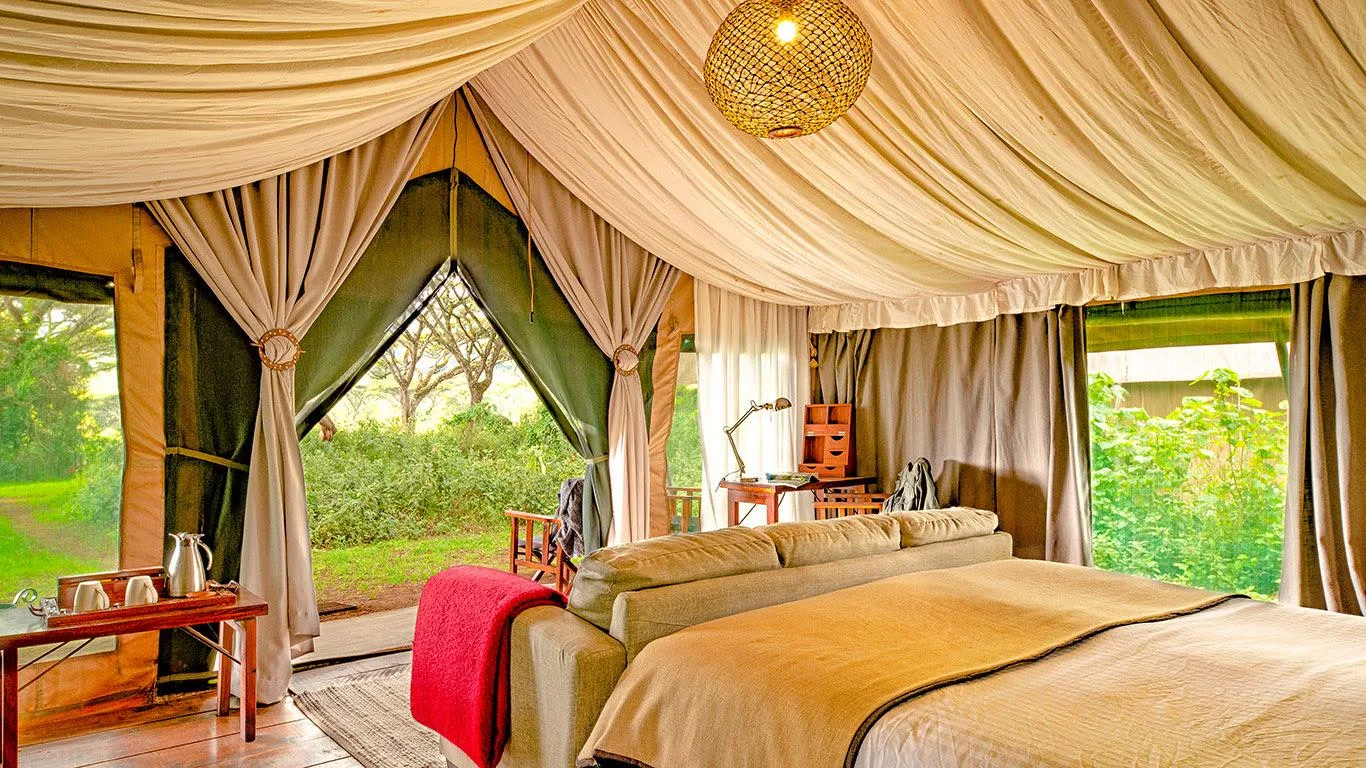
From budget-friendly safari camps near the reserve gates to luxury tented camps overlooking the Mara River and exclusive conservancy lodges offering private wildlife experiences, the Masai Mara has accommodation to suit every budget and travel style. Whether you're travelling as a couple, family, solo adventurer, photographer or honeymooner, choosing accommodation in the right location will help you make the most of every game drive during the migration season.

At East Africa Jungle, we recommend accommodation based on far more than comfort and price. Our safari specialists carefully consider migration patterns, wildlife concentrations, road access, seasonal conditions and proximity to the best game-viewing areas to ensure our guests spend less time driving and more time experiencing unforgettable moments in the African wilderness. With years of guiding experience across the Masai Mara ecosystem, we'll help you choose the ideal camp or lodge based on your travel dates, budget and the expected movements of the Great Migration during 2026/2027.

Compare the Best Accommodation Options    

Accommodation TypeBest ForExperiencePrice Guide
Budget Safari CampsBackpackers & Budget TravellersComfortable, authentic safari experience

USD 420

Mid-Range Tented CampsFamilies & CouplesExcellent value with modern comforts

USD 1,295

Luxury Safari LodgesHoneymooners & Luxury TravellersPremium service and exceptional locations

USD 1,850

Private Conservancy CampsExclusive Wildlife ViewingFewer vehicles and personalised safaris

USD 2,590


1. Budget Safari Camps

Budget safari camps provide an affordable way to experience the Great Migration without compromising on wildlife viewing. Most are located near the Sekenani and Talek gates, offering easy access to the Masai Mara and excellent game-drive opportunities.

Best For

  • Budget travellers
  • Solo adventurers
  • Students
  • Group joining safaris

What to Expect

  • Comfortable safari tents or cottages
  • En-suite bathroom options
  • Full-board meals
  • Shared lounge and dining areas
  • Daily game drives

Recommended Examples

  • Enkorok Mara Camp
  • Rhino Tourist Camp
  • Miti Mingi Eco Camp
  • Jambo Mara Safari Lodge 

2. Mid-Range Tented Camps

Mid-range camps offer the perfect balance between comfort, location and value. Many are positioned close to migration routes, allowing guests to reach wildlife-rich areas quickly while enjoying spacious tents, excellent dining and personalised service.

Best For

  • Families
  • Couples
  • First-time safari travellers
  • Wildlife enthusiasts

What to Expect

  • Spacious en-suite safari tents
  • Restaurant and bar
  • Swimming pool (selected camps)
  • Professional safari guides
  • Comfortable game-viewing experience

Recommended Examples

  • Zebra Plains Mara Camp
  • Mara Simba Lodge
  • Basecamp Masai Mara
  • Mara Sopa Lodge

3. Luxury Safari Lodges

Luxury safari lodges provide exceptional comfort while placing guests in prime wildlife viewing areas. Expect beautifully designed suites, gourmet dining, personalised service and spectacular views across the savannah, making them ideal for travellers seeking an unforgettable Great Migration experience.

Best For

  • Honeymooners
  • Luxury travellers
  • Photographers
  • Special celebrations

What to Expect

  • Luxury suites or tented camps
  • Fine dining
  • Spa facilities (selected lodges)
  • Private decks overlooking wildlife areas
  • Premium guiding

Recommended Examples

  • Mara Serena Safari Lodge
  • Governors' Camp
  • Entim Mara Camp
  • Sand River Masai Mara

4. Private Conservancy Camps

Private conservancy camps offer one of the most exclusive ways to experience the Great Migration. Located in conservancies such as Mara North, Olare Motorogi and Naboisho, these camps provide quieter game drives, exceptional wildlife viewing and luxury accommodation in conservation-focused environments.

Best For

  • Luxury safaris
  • Wildlife photographers
  • Returning safari visitors
  • Honeymoon couples

What to Expect

  • Exclusive safari camps
  • Low vehicle density
  • Personalised guiding
  • Outstanding predator sightings
  • Exceptional service

Recommended Examples

  • Kicheche Mara Camp
  • Saruni Mara
  • Elephant Pepper Camp
  • Olare Mara Kempinski

Which Accommodation Is Right for You?

If You Are...We Recommend...
Travelling on a BudgetBudget Safari Camp
Visiting with FamilyMid-Range Tented Camp
Celebrating a HoneymoonLuxury Safari Lodge
Passionate About PhotographyPrivate Conservancy Camp
Looking for an Exclusive SafariPrivate Conservancy Camp
Visiting for the First TimeMid-Range Tented Camp

Expert Insight from East Africa Jungle

One of the biggest mistakes travellers make is choosing accommodation based only on price. During the Great Migration, location is often more important than luxury. A well-positioned camp near key wildlife areas can save valuable driving time each day, giving you more opportunities to witness river crossings, predator hunts and unforgettable wildlife encounters. That's why we always recommend selecting accommodation based on your travel dates and the expected migration movements rather than price alone.


Our Recommendation

For the best overall experience, we recommend staying at least three to four nights in a camp or lodge close to the Masai Mara's migration routes. Travellers seeking the famous Mara River crossings should consider camps in the Mara Triangle or Musiara Area, while those looking for a quieter and more exclusive safari may prefer Mara North, Olare Motorogi or Naboisho Conservancies.

Ready to Choose the Perfect Camp?

Our Kenya safari specialists can recommend the best accommodation based on your travel dates, budget and the expected Great Migration movements, ensuring you enjoy the right location at the right time for an unforgettable safari.

Great Migration Safari Costs (2026/2027)

Planning your budget is one of the most important steps when booking a Great Migration safari in Kenya. The cost of a migration safari can vary considerably depending on your travel dates, accommodation standard, safari duration, group size, transport, and whether you choose a private road safari, a fly-in safari, or a luxury conservancy experience. July to October is the peak migration season, when demand is highest and accommodation often books out many months in advance, making early reservations the best way to secure availability and competitive rates.

At East Africa Jungle, we believe in transparent pricing with no hidden surprises. Our Great Migration safari packages are carefully designed to offer outstanding value by combining experienced local guides, well-positioned accommodation, comfortable 4×4 safari vehicles, and expertly planned itineraries that maximise your chances of witnessing the spectacular Mara River crossings and the incredible wildlife of the Masai Mara National Reserve. Whether you're travelling on a budget, looking for a comfortable mid-range safari, or planning a once-in-a-lifetime luxury adventure, we'll help you choose the option that best matches your budget and travel style.


Great Migration Safari Price Guide (2026/2027)

Safari StyleAverage Price (Per Person)Best For
Budget Group SafariFrom USD 750–1,300Backpackers & Budget Travellers
Mid-Range Private SafariFrom USD 1,600–3,200Couples, Families & First-Time Visitors
Luxury SafariFrom USD 3,500–7,000+Luxury Travellers & Honeymooners
Fly-in Luxury SafariFrom USD 4,000–9,000+Short Luxury Holidays
Kenya & Tanzania Migration SafariFrom USD 5,500–12,000+Ultimate East African Safari

Looking for a more detailed price comparison? Our Kenya Safari Cost Guide explains what affects safari prices, what's included, seasonal price differences and practical ways to save money. If you're travelling on a tighter budget, compare our Budget Kenya Safari Packages for excellent value wildlife adventures.


What Determines the Cost of a Great Migration Safari?

Understanding what influences the price will help you compare itineraries more confidently and choose the safari that offers the best value.

1. Travel Season

Migration season from July to October commands the highest prices because it coincides with the famous Mara River crossings and the greatest demand for accommodation. Travelling in June or November can often provide excellent wildlife viewing at lower rates.

2. Accommodation Standard

Your choice of accommodation has the biggest impact on the overall safari price.

AccommodationTypical Experience
Budget CampsComfortable safari tents with essential facilities
Mid-Range CampsSpacious en-suite tents and excellent locations
Luxury LodgesPremium service, fine dining and exceptional comfort
Private Conservancy CampsExclusive wildlife experiences with fewer vehicles

3. Private vs Group Safari

Group safaris reduce transport costs by sharing a vehicle, while private safaris offer greater flexibility, personalised guiding and the freedom to spend more time at wildlife sightings.

4. Safari Duration

Longer safaris generally provide better value per day while increasing your chances of witnessing river crossings and predator activity.

5. Transport

Road safaris are the most economical option, while scheduled flights to the Masai Mara save time and maximise wildlife viewing but increase the total trip cost.


What's Usually Included?

Most of our Great Migration safari packages include:

  • Park entry fees
  • Transport in a 4×4 Safari Land Cruiser
  • Professional English-speaking safari guide
  • Accommodation
  • Breakfast, lunch and dinner
  • Unlimited game drives
  • Bottled drinking water
  • Airport or hotel pick-up (where applicable)

What's Usually Not Included?

Some optional expenses are normally excluded:

  • International flights
  • Kenya Electronic Travel Authorisation (eTA)
  • Travel insurance
  • Hot air balloon safari
  • Maasai village visit
  • Alcoholic beverages
  • Personal expenses
  • Guide gratuities

How to Save Money on a Great Migration Safari

If you're travelling on a budget, these tips can help you reduce costs without compromising your wildlife experience:

  • Travel during June or November for lower accommodation rates.
  • Join a small group safari to share transport costs.
  • Book your safari 6–12 months in advance to secure the best camps and prices.
  • Stay 4–6 nights rather than taking a rushed 2–3 day safari, as longer itineraries often provide better value.
  • Choose a road safari if you have more time and want to avoid domestic flight costs.

Expert Insight from East Africa Jungle

The cheapest safari isn't always the best value. During the Great Migration, a well-planned itinerary with accommodation close to the migration routes often provides a far better experience than a cheaper package requiring long daily drives. We focus on maximising your wildlife viewing time so you spend more time watching the migration and less time travelling between game-viewing areas.


Ready to Plan Your Great Migration Safari?

Whether you're looking for an affordable group safari, a family-friendly adventure, a private 4×4 safari or a luxury fly-in experience, our safari specialists will help you compare itineraries and recommend the best option based on your travel dates, budget and migration timing.

Need a personalised quotation? Contact the East Africa Jungle team today and let us help you plan an unforgettable Great Migration safari in Kenya for 2026/2027.

Road Safari vs Fly-in Safari: Which Is Better for the Great Migration? (2026/2027)

8 Days Kenya Budget Group Safari Tour

One of the most common questions travellers ask when planning a Great Migration safari in Kenya is whether to choose a road safari or a fly-in safari. Both options offer incredible opportunities to witness the migration in the Masai Mara National Reserve, but they provide very different experiences. Your choice will depend on your budget, available travel time, preferred level of comfort and the type of safari experience you're looking for.

A road safari allows you to discover Kenya's diverse landscapes and visit multiple destinations such as Lake Nakuru, Lake Naivasha or Amboseli National Park before arriving in the Masai Mara. A fly-in safari, on the other hand, takes you directly to the heart of the reserve in under an hour from Nairobi, giving you more time for game drives and wildlife viewing while enjoying a more relaxed and luxurious journey.

At East Africa Jungle, we offer both road and fly-in Great Migration safaris and help every traveller choose the option that best suits their travel style, budget and itinerary.


Road Safari vs Fly-in Safari Comparison

FeatureRoad SafariFly-in Safari
Travel Time to Masai Mara5–6 Hours from NairobiApproximately 45–60 Minutes
PriceMore AffordableHigher Cost
Best ForBudget Travellers, Families, First-Time VisitorsLuxury Travellers, Honeymooners, Short Holidays
Wildlife ViewingMultiple Parks Along the RouteFocused on the Masai Mara
ComfortScenic Road JourneyFast and Comfortable Flights
Luggage AllowanceStandard SuitcasesSoft Bags (usually up to 15 kg)
FlexibilityVisit Multiple DestinationsIdeal for Direct Access
Recommended Duration5–10 Days3–6 Days

Road Safari

A road safari is ideal for travellers who want to experience more of Kenya beyond the Masai Mara. The scenic drive through the Great Rift Valley offers spectacular viewpoints and the opportunity to combine the Great Migration with other iconic destinations, creating a richer and more varied safari.

Best For

  • Budget-conscious travellers
  • Families
  • First-time visitors to Kenya
  • Travellers with 5–10 days available
  • Wildlife enthusiasts exploring multiple parks

Advantages

  • More affordable than fly-in safaris
  • Opportunity to visit several national parks
  • Scenic drive through the Great Rift Valley
  • Greater flexibility for extended itineraries
  • Ideal for comprehensive Kenya safaris

Considerations

  • Longer transfer times to and from the Masai Mara
  • Early departures may be required
  • Road conditions can vary depending on the season

Fly-in Safari

A fly-in safari is the quickest and most comfortable way to experience the Great Migration. Scheduled flights from Nairobi's Wilson Airport land at one of several airstrips within the Masai Mara ecosystem, allowing you to begin your game drive shortly after arrival.

Best For

  • Luxury travellers
  • Honeymooners
  • Photographers
  • Travellers with limited time
  • Repeat safari visitors

Advantages

  • Save valuable travel time
  • More time for game drives
  • Comfortable scheduled flights
  • Access to remote luxury camps and conservancies
  • Ideal for premium safari experiences

Considerations

  • Higher overall cost
  • Strict luggage limits (soft bags only)
  • Limited flexibility once flight schedules are confirmed


Which Safari Is Right for You?

If You Want To…We Recommend
Save moneyRoad Safari
Visit several national parksRoad Safari
Spend more time on game drivesFly-in Safari
Enjoy a luxury safariFly-in Safari
Travel for a honeymoonFly-in Safari
Experience Kenya on a longer holidayRoad Safari
Take a short 3–4 day safariFly-in Safari
Maximise value on a first safariRoad Safari

Expert Insight from East Africa Jungle

For first-time visitors to Kenya, we often recommend a road safari lasting 6–8 days, combining the Great Migration with destinations such as Lake Nakuru or Amboseli for a more complete wildlife experience. If your priority is witnessing the Great Migration and staying in a luxury camp with minimal travel time, a fly-in safari is the best choice. Both options offer exceptional wildlife viewing—the right one depends on how you want to experience Kenya.


Ready to Choose Your Great Migration Safari?

Whether you prefer the adventure and value of a road safari or the speed and comfort of a fly-in safari, our safari specialists will help you choose the itinerary that best matches your budget, travel dates and wildlife goals. We'll recommend the ideal option to ensure you enjoy the Great Migration at the right place and the right time during 2026/2027.

Private vs Group Great Migration Safari (2026/2027)

Choosing between a private or group Great Migration safari is one of the most important decisions you'll make when planning your trip to the Masai Mara National Reserve. Both options offer exceptional opportunities to witness the Great Migration, the Big Five and the famous Mara River crossings, but they cater to different travel styles, budgets and expectations.

A private safari provides complete flexibility, allowing you to travel at your own pace, customise your itinerary and spend more time at wildlife sightings with a dedicated guide and 4×4 safari vehicle. A group safari, on the other hand, is a cost-effective way to experience Kenya's most spectacular wildlife event while sharing the adventure with like-minded travellers from around the world.

At East Africa Jungle, we offer both private and small-group Great Migration safaris. Our travel specialists will help you choose the option that best matches your budget, travel dates and safari preferences.


Private vs Group Great Migration Safari Comparison

FeaturePrivate SafariGroup Safari
VehicleExclusive 4×4 Safari Land CruiserShared 4×4 Safari Vehicle
Group SizeYour family or travel party onlyUsually 4–7 travellers
Game Drive ScheduleFully flexibleFixed departure times
Time at Wildlife SightingsAs long as you chooseShared with the group
AccommodationTailored to your preferencesPre-selected itinerary
PriceHigherMore affordable
Best ForFamilies, Couples, Honeymooners, PhotographersSolo Travellers, Friends, Budget Travellers
AvailabilityDaily departuresScheduled departures

Private Great Migration Safari

A private safari offers the most personalised way to experience the Great Migration. With your own professional guide and exclusive safari vehicle, you can customise your daily schedule, spend longer watching wildlife, and travel at a pace that suits your interests. It's the ideal choice for travellers looking for flexibility, comfort and a more intimate safari experience.

Best For

  • Couples and honeymooners
  • Families with children
  • Wildlife photographers
  • Birdwatchers
  • Luxury travellers
  • Multi-generational family holidays

Advantages

  • Exclusive use of a 4×4 Safari Land Cruiser
  • Flexible departure and return times
  • More time at river crossings and wildlife sightings
  • Personalised guiding based on your interests
  • Wide choice of accommodation and safari duration

Considerations

  • Higher overall cost than joining a group
  • Best value for families or groups travelling together

Group Great Migration Safari

A group safari is an excellent option for travellers looking to experience the Great Migration at a lower cost while enjoying the company of fellow wildlife enthusiasts. You'll share transport and guiding with a small group, making it one of the most affordable ways to explore the Masai Mara during migration season.

Best For

  • Solo travellers
  • Friends travelling together
  • Budget-conscious travellers
  • Students and backpackers
  • First-time visitors to Kenya

Advantages

  • Lower cost through shared transport
  • Meet travellers from different countries
  • Professional safari guide included
  • Fixed departures simplify planning
  • Great value during peak migration season

Considerations

  • Less flexibility in the daily schedule
  • Time at wildlife sightings is shared with the group
  • Accommodation and itinerary are generally fixed


Which Great Migration Safari Is Right for You?

If You Want To…We Recommend
Travel on a budgetGroup Safari
Meet other travellersGroup Safari
Enjoy a personalised experiencePrivate Safari
Travel with childrenPrivate Safari
Photograph wildlife without time pressurePrivate Safari
Celebrate a honeymoon or anniversaryPrivate Safari
Choose your own accommodationPrivate Safari
Maximise value as a solo travellerGroup Safari

Guide Travel Tip

Private safaris give your guide the flexibility to follow wildlife activity without being restricted by a group's schedule. If photography, birdwatching or witnessing a Mara River crossing is your main priority, having your own vehicle often allows more time at key sightings. Group safaris remain an excellent choice for travellers seeking an affordable and enjoyable Great Migration experience with expert guiding.


Why Choose East Africa Jungle?

Whether you choose a private or group Great Migration safari, you'll travel with experienced local guides who understand the seasonal movements of the migration and know where to find the best wildlife viewing opportunities. We carefully plan every itinerary to maximise your time in the field, use comfortable 4×4 safari vehicles, and recommend accommodation that places you close to the action during the 2026/2027 Great Migration season.

Ready to Choose Your Safari?

Our Kenya safari specialists are happy to help you compare private and group Great Migration safaris, recommend the best itinerary for your travel dates, and create an unforgettable wildlife adventure tailored to your budget and interests.

Responsible Wildlife Viewing During the Great Migration (2026/2027)
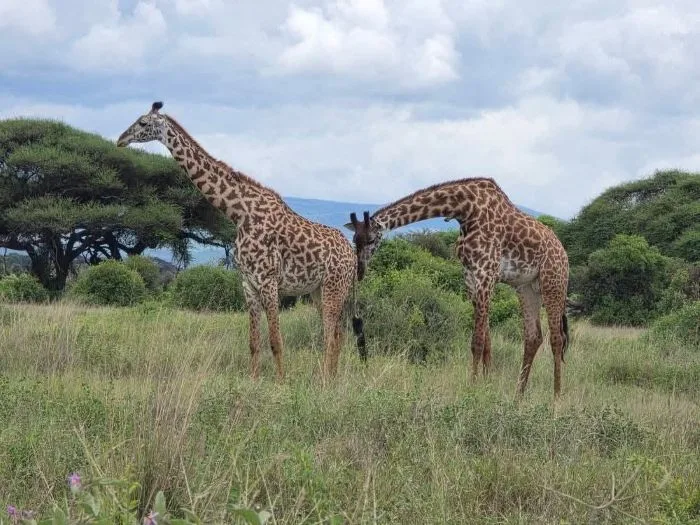
8 days Kenya safari Tour

The Great Migration in Kenya is one of the world's most extraordinary natural events, attracting visitors from across the globe to witness millions of wildebeest, zebras and gazelles moving through the Masai Mara National Reserve. While this incredible spectacle offers unforgettable wildlife encounters, it also comes with a shared responsibility to protect the animals, their habitats and the fragile ecosystems that make this annual migration possible.

Responsible wildlife viewing helps minimise disturbance to animals, supports long-term conservation efforts and ensures future generations can continue to experience the Great Migration. At East Africa Jungle, we are committed to ethical safari practices and follow the guidelines established by the Kenya Wildlife Service (KWS) and reserve management authorities. Our professional guides prioritise the welfare of wildlife while delivering safe, respectful and memorable safari experiences.


Responsible Wildlife Viewing Guidelines

 Keep a Safe Distance

Always observe wildlife from a respectful distance and allow animals to behave naturally. Approaching too closely can cause unnecessary stress and alter their behaviour.

 Stay on Designated Tracks

Vehicles should remain on approved roads and tracks unless authorised by park regulations. Driving off-road can damage vegetation, disturb wildlife and contribute to soil erosion.

 Keep Noise to a Minimum

Speak quietly during game drives and avoid loud music or sudden noises. A calm environment allows everyone to enjoy natural wildlife behaviour and improves your chances of memorable sightings.

 Never Feed Wildlife

Feeding wild animals changes their natural behaviour, increases their dependence on humans and can create dangerous situations for both visitors and wildlife.

 Respect Wildlife While Photographing

Allow animals space to move freely and avoid blocking their path, especially near river crossings or during predator hunts. Ethical wildlife photography always prioritises the animal's wellbeing over getting the perfect photograph.

 Leave No Trace

Dispose of all rubbish responsibly and never leave litter in the park. Protecting the Masai Mara's pristine environment helps preserve its beauty and biodiversity.

 Respect Local Communities

Many safari experiences include visits to nearby Maasai communities. Always ask permission before taking photographs and engage respectfully with local traditions and cultures.


How East Africa Jungle Supports Responsible Tourism

We believe that exceptional safaris should also contribute to conservation and local communities. That's why we:

  • Work with experienced, licensed local safari guides.
  • Promote ethical wildlife viewing practices.
  • Recommend lodges and camps that support conservation initiatives.
  • Encourage responsible interactions with local communities.
  • Follow park regulations and conservation guidelines.
  • Support sustainable tourism across Kenya's protected areas.

Guide Travel Tip

The most rewarding wildlife encounters happen when animals feel relaxed and undisturbed. Our guides maintain respectful viewing distances, switch off engines when appropriate and avoid crowding sightings, allowing you to enjoy more natural animal behaviour while helping protect the wildlife that makes the Great Migration so special.


Why Responsible Tourism Matters

Every responsible decision you make on safari—whether it's respecting wildlife, supporting conservation-focused accommodation or following your guide's instructions—helps protect the Great Migration and the incredible biodiversity of the Masai Mara National Reserve. By travelling responsibly, you become part of the ongoing effort to conserve one of Africa's greatest wildlife spectacles for future generations.

Travel Responsibly with East Africa Jungle

Our experienced safari specialists and professional guides are committed to delivering unforgettable Great Migration experiences while supporting conservation, respecting local communities and protecting Kenya's remarkable wildlife heritage. When you travel with East Africa Jungle, you're not only creating lifelong memories—you're also helping preserve one of the world's most iconic natural wonders.

What Our Safari Guides Look for During Every Game Drive

A successful game drive is about much more than simply driving through the Masai Mara National Reserve in search of wildlife. Every safari with East Africa Jungle is led by experienced local guides who understand animal behaviour, seasonal migration patterns and the unique rhythms of the African wilderness. Their knowledge, patience and ability to interpret subtle signs in nature often make the difference between seeing wildlife and truly experiencing it.

During the Great Migration (2026/2027), our guides continuously monitor the movement of wildebeest herds, predator activity, weather conditions and recent wildlife sightings to position guests in the best locations at the right time. Every game drive is carefully planned to maximise wildlife viewing while always respecting conservation guidelines and the wellbeing of the animals.


What Our Guides Look For

 Migration Herd Movements

Our guides track the movement of wildebeest, zebras and gazelles by observing grazing patterns, dust clouds, fresh tracks and reports from other professional guides. This helps determine where the migration is likely to move throughout the day.

 Mara River Crossing Activity

River crossings are unpredictable, but experienced guides recognise signs that indicate a crossing may be imminent, such as gathering herds, restless behaviour and repeated movement along the riverbanks. Patience and careful positioning are essential.

 Predator Behaviour

Lions, cheetahs, leopards and hyenas often follow the migration. Our guides watch for alarm calls from other animals, fresh tracks and changes in wildlife behaviour that may signal nearby predator activity.

 Big Five Sightings

In addition to the migration, our guides search for elephants, buffaloes, rhinos and leopards, helping guests enjoy a complete Big Five safari while exploring different habitats within the Masai Mara.

 Birdlife and Smaller Wildlife

The Masai Mara is home to more than 450 bird species, along with countless smaller mammals and reptiles. Our guides point out fascinating species that many visitors might otherwise overlook, adding depth to every safari.

 Light and Weather Conditions

Changing weather influences wildlife activity throughout the day. Our guides adjust game drives to take advantage of cooler morning and late afternoon conditions when animals are generally most active.

 Animal Behaviour

Understanding behaviour is just as important as locating animals. Our guides interpret body language, vocalisations and interactions between species to anticipate movements and provide a richer understanding of the ecosystem.


Why This Matters

The Great Migration is a natural event, and no two game drives are ever the same. Rather than following a fixed route, our guides adapt each safari based on current wildlife activity, ensuring every drive offers the best possible opportunities for memorable sightings while respecting the natural environment.


Guide Travel Tip

The best wildlife sightings often happen when you least expect them. Keeping cameras ready, listening to your guide's observations and being patient can lead to unforgettable moments—from a pride of lions on the hunt to thousands of wildebeest suddenly entering the Mara River. On safari, patience is often rewarded.


Safari Expertise You Can Trust

At East Africa Jungle, our guides combine years of field experience with an in-depth understanding of the Masai Mara ecosystem. Their local knowledge, excellent wildlife-spotting skills and commitment to responsible tourism ensure every game drive is informative, enjoyable and tailored to the ever-changing movements of the Great Migration during 2026/2027. Whether it's your first safari or your fifth, our goal is to help you experience the African wilderness in its most authentic form.

Great Migration Photography Guide (2026/2027)

The Great Migration in Kenya is one of the world's greatest wildlife photography experiences, offering endless opportunities to capture dramatic Mara River crossings, vast herds of wildebeest and zebras, breathtaking African landscapes and unforgettable encounters with the Big Five. Whether you're a professional wildlife photographer or simply capturing memories on your smartphone, a little preparation can make a remarkable difference to your images.

At East Africa Jungle, our experienced safari guides understand both wildlife behaviour and photographic opportunities. They carefully position the safari vehicle for the best angles and lighting whenever possible, while always respecting park regulations and ensuring wildlife is never disturbed. The result is a rewarding photography experience that combines incredible sightings with responsible wildlife viewing.


Best Photography Opportunities During the Great Migration

 Mara River Crossings

The dramatic river crossings are among the most sought-after wildlife photographs in Africa. Thousands of wildebeest and zebras gather at the riverbanks before making the dangerous crossing while crocodiles wait below, creating unforgettable action shots.

 Predator Action

The migration attracts lions, cheetahs, leopards and hyenas, providing exciting opportunities to photograph hunting behaviour, family interactions and powerful wildlife portraits.

 Sunrise & Sunset Safaris

Early morning and late afternoon offer warm, golden light that enhances landscapes, silhouettes and close-up wildlife photography. These are widely regarded as the best times of day for photography.

 Big Five Portraits

In addition to the migration, the Masai Mara offers excellent opportunities to photograph elephants, buffaloes, lions and, with a little patience, elusive leopards. Combining migration scenes with Big Five portraits creates a diverse and memorable wildlife portfolio.

 Landscapes & Scenic Views

Don't overlook the wider scenery. The open savannah, dramatic skies, acacia trees and sweeping plains of the Masai Mara provide beautiful landscape images that tell the story of your safari.


Recommended Camera Equipment

EquipmentWhy It's Useful
DSLR or Mirrorless CameraFast autofocus and excellent image quality
100–400 mm or 200–600 mm Zoom LensIdeal for wildlife at varying distances
Wide-Angle Lens (16–35 mm or similar)Perfect for landscapes and camps
Extra BatteriesFull-day game drives consume battery power
High-Speed Memory CardsEssential for burst shooting during action
Lens Cleaning ClothHelps remove dust after game drives
Bean BagProvides stable support on the safari vehicle

Camera Settings for Wildlife Photography

SituationSuggested Settings
River CrossingsFast shutter speed (1/2000 sec or faster)
Birds in FlightContinuous autofocus and high-speed burst mode
Sunrise & SunsetLower ISO and wider aperture for natural light
Wildlife PortraitsAperture Priority (f/4–f/6.3) with eye autofocus if available
Fast-Moving AnimalsContinuous shooting mode and tracking autofocus

Photography Tips from Our Safari Guides

  • Keep your camera ready throughout the game drive.
  • Arrive at sightings quietly and avoid sudden movements.
  • Focus on the animal's eyes for stronger wildlife portraits.
  • Include the surrounding landscape to tell a complete story.
  • Be patient—some of the best moments happen unexpectedly.
  • Photograph behaviour, not just individual animals.
  • Respect wildlife and never encourage risky behaviour for a photograph.

Smartphone Photography Tips

You don't need professional equipment to capture incredible safari memories.

  • Use the highest camera resolution available.
  • Clean the camera lens before each game drive.
  • Avoid excessive digital zoom whenever possible.
  • Take advantage of early morning and late afternoon light.
  • Use burst mode for moving wildlife.
  • Keep your phone steady by resting it against the safari vehicle.

Guide Travel Tip

Great wildlife photography is about anticipation rather than luck. Our guides constantly observe animal behaviour, bird alarm calls and herd movements to position the vehicle where the action is most likely to unfold. Staying patient and keeping your camera ready often leads to the most rewarding photographs of the day.


Responsible Wildlife Photography

The welfare of wildlife always comes before the perfect photograph. We encourage every guest to photograph animals responsibly by maintaining a respectful distance, keeping noise to a minimum and allowing wildlife to move naturally without interference. Ethical photography not only protects Kenya's incredible wildlife but also results in more authentic and meaningful images.


Capture the Great Migration with East Africa Jungle

Whether you're travelling with a professional camera or simply documenting your adventure on a smartphone, our experienced guides will help you make the most of every photographic opportunity during the Great Migration (2026/2027). From spectacular Mara River crossings and Big Five encounters to dramatic African sunsets, we'll help you return home with images that tell the story of one of the world's greatest wildlife spectacles.

Expert Travel Tips from Our Kenya Safari Specialists

Planning a Great Migration safari in Kenya is about much more than choosing travel dates and accommodation. Small decisions—such as where you stay, how long you spend in the Masai Mara National Reserve, and the type of safari you choose—can have a significant impact on your overall experience. Drawing on years of guiding travellers through Kenya's most iconic wildlife destinations, our safari specialists have compiled these practical tips to help you make the most of your Great Migration adventure during 2026/2027.

Whether you're visiting Kenya for the first time or returning to witness another migration season, these expert recommendations will help you maximise wildlife viewing, travel comfortably and create unforgettable safari memories.


1. Stay at Least Three to Four Nights in the Masai Mara

The Great Migration is constantly moving, and Mara River crossings can happen at any time. Spending at least three to four nights in the Masai Mara gives your guide the flexibility to follow the herds and significantly improves your chances of witnessing memorable wildlife events.


2. Book Your Safari Early

The migration season from July to October is Kenya's busiest safari period. The best camps and lodges—especially those near the Mara River and private conservancies—often sell out 6–12 months in advance. Booking early gives you more accommodation choices and access to better rates.


3. Choose the Right Location, Not Just the Best Hotel

A well-located camp can provide better wildlife viewing than a more luxurious property located farther from active migration areas. We always recommend choosing accommodation based on your travel dates and expected herd movements.


4. Be Flexible with Wildlife Sightings

The Great Migration is a natural event, not a scheduled performance. While our guides monitor herd movements throughout the day, no one can guarantee a river crossing. Patience and flexibility often lead to the most rewarding safari experiences.


5. Pack for Changing Weather Conditions

Early mornings can be cool, while afternoons are often warm and sunny. Pack lightweight neutral-coloured clothing, a light jacket, comfortable walking shoes, a hat, sunglasses and sunscreen to stay comfortable throughout your safari.


6. Bring a Good Pair of Binoculars

While your guide will help spot wildlife, binoculars allow you to appreciate distant predators, birds and wildlife behaviour in greater detail. They are one of the most valuable items you can bring on safari.


7. Early Morning Game Drives Are Worth It

Wildlife is generally most active shortly after sunrise when temperatures are cooler. Early departures offer the best opportunities to see lions, leopards, cheetahs and other predators before they retreat into the shade.


8. Consider a Private Safari for Greater Flexibility

If photography, birdwatching or spending extra time at wildlife sightings is important to you, a private safari allows your guide to tailor each game drive to your interests and travel pace.


9. Respect Wildlife and Follow Your Guide's Instructions

Responsible tourism benefits both wildlife and visitors. Maintain a respectful distance from animals, keep noise to a minimum and always follow your guide's instructions to ensure a safe and enjoyable safari for everyone.


10. Enjoy the Whole Safari Experience

While the Mara River crossings are spectacular, some of the most unforgettable safari moments happen elsewhere—from watching a lion pride at sunrise and elephants crossing the plains to witnessing a cheetah hunt or simply enjoying a breathtaking African sunset. Embrace every moment of your safari, and you'll leave with memories that go far beyond a single wildlife sighting.


Guide Travel Tip

The best safaris aren't measured by how many animals you see—they're remembered for the moments you experience. Staying patient, listening to your guide and appreciating every part of the ecosystem often leads to the most unforgettable wildlife encounters.


Why Trust East Africa Jungle?

Our Kenya safari specialists have extensive experience planning Great Migration safaris across the Masai Mara National Reserve and other leading wildlife destinations in East Africa. We use our local knowledge to recommend the best travel dates, accommodation, safari routes and viewing locations, helping every guest enjoy an authentic, well-planned and memorable Great Migration safari during 2026/2027.

Ready to Plan Your Great Migration Safari?

Let our experienced safari specialists help you choose the ideal itinerary, accommodation and travel dates to experience one of the world's greatest wildlife spectacles. Whether you're looking for a budget-friendly adventure, a family holiday or a luxury fly-in safari, we're here to make your Great Migration journey unforgettable.

Why Book Your Great Migration Safari with East Africa Jungle?

Choosing the right safari operator is just as important as choosing the right destination. At East Africa Jungle, we don't just book safaris—we create carefully planned wildlife experiences designed around the seasonal movements of the Great Migration, ensuring you enjoy the best possible game viewing during your visit. Our experienced Kenya safari specialists combine local knowledge, professional guiding and personalised service to help you witness one of the world's greatest wildlife spectacles with confidence.

From selecting the best camps near active migration routes to recommending the ideal travel dates and designing well-paced itineraries, every safari is planned with your experience in mind. Whether you're travelling as a couple, family, photographer, solo traveller or private group, we'll help you discover the Great Migration in a way that suits your interests, travel style and budget.


Why Travellers Choose East Africa Jungle

 Local Safari Expertise

Our team has extensive experience guiding travellers through Kenya's premier wildlife destinations. We monitor seasonal migration patterns, wildlife movements and park conditions to recommend the best itineraries and travel periods for every guest.


 Tailor-Made & Scheduled Safaris

Whether you're looking for a private safari, a small group departure or a luxury fly-in safari, we offer flexible itineraries designed around your schedule, interests and budget.


 Comfortable 4×4 Safari Vehicles

Travel in well-maintained 4×4 Toyota Land Cruisers with pop-up roofs, designed for excellent wildlife viewing and photography while ensuring comfort throughout your journey.


 Professional Local Safari Guides

Our knowledgeable local guides are passionate about Kenya's wildlife and conservation. Their tracking skills, understanding of animal behaviour and familiarity with the Masai Mara ecosystem help maximise your chances of unforgettable wildlife encounters.


 Carefully Selected Camps & Lodges

We work with trusted safari camps and lodges chosen for their comfort, service, location and easy access to key wildlife areas, helping you spend less time travelling and more time on safari.


 Transparent Pricing

Our quotations clearly outline what's included, with no hidden costs. We help you compare options across different accommodation levels to find the best value for your budget.


 Responsible & Sustainable Tourism

We support responsible wildlife viewing, respect local communities and encourage sustainable tourism practices that help protect Kenya's extraordinary wildlife and natural heritage for future generations.


 Excellent Guest Experiences

Our commitment to personalised service, reliable communication and carefully planned safaris has earned the trust of travellers from around the world. From your first enquiry to your final game drive, we're here to ensure every detail is handled with care.


What You Can Expect

✔ Expert itinerary planning based on migration timing

✔ Knowledgeable local safari guides

✔ Comfortable 4×4 safari vehicles

✔ Carefully selected accommodation

✔ Flexible private and group safari options

✔ Fast, personalised support before and during your safari

✔ Responsible wildlife viewing practices

✔ Excellent value for money


Guide Travel Tip

The best safari isn't simply about visiting the Masai Mara—it's about being in the right place at the right time. Our specialists carefully match your travel dates, accommodation and itinerary with the expected movement of the migration, giving you the best opportunity to enjoy exceptional wildlife viewing throughout your safari.


Expert Insight

Every Great Migration safari is unique because wildlife movements change from season to season. Rather than offering one-size-fits-all itineraries, we tailor our recommendations using local knowledge, seasonal conditions and years of guiding experience. This personalised approach helps our guests experience more than just the highlights—it helps them understand and appreciate the remarkable ecosystem that makes the Great Migration one of the world's greatest natural wonders.


Start Planning Your Great Migration Safari Today

Whether you're dreaming of witnessing a dramatic Mara River crossing, photographing the Big Five, or exploring the breathtaking landscapes of the Masai Mara National Reserve, our team is ready to help you plan the perfect Great Migration safari in Kenya (2026/2027).

Contact East Africa Jungle today to receive a personalised itinerary, expert travel advice and a no-obligation quotation tailored to your travel dates, budget and safari preferences.

Related Kenya Safari Guides

Continue planning your adventure with our expert Kenya travel guides. These resources will help you choose the best safari, understand the Great Migration, compare destinations and prepare for an unforgettable wildlife experience in 2026/2027.

Travel GuideWhy Read It?
Kenya Safari Packages (2026/2027)Compare our most popular Kenya safari itineraries by duration, budget and travel style.
Best Time to Visit KenyaDiscover the ideal months for wildlife viewing, the Great Migration and different safari experiences.
Masai Mara Safari GuideLearn everything you need to know about Kenya's most famous wildlife destination.
Masai Mara River Crossings GuideFind out where and when to witness the spectacular Mara River crossings.
Great Migration Calendar (Month by Month)Follow the movement of the migration throughout the year across Kenya and Tanzania.
Kenya Safari Cost GuideUnderstand safari prices, what's included and how to budget for your trip.
Private vs Group Kenya SafarisCompare private and group safaris to find the best option for your travel style.
Road Safari vs Fly-in SafariExplore the advantages of road and fly-in safaris before making your decision.
Where to Stay in the Masai MaraCompare the best safari camps, lodges and conservancies for every budget.
Kenya Big Five Safari GuideLearn where and when to see Africa's famous Big Five during your safari.
Kenya Wildlife & Cultural ToursCombine unforgettable wildlife encounters with authentic cultural experiences.
Family Safari Holidays in KenyaDiscover the best family-friendly itineraries, lodges and activities.
Luxury Kenya Safari GuideExplore Kenya's finest luxury lodges, fly-in safaris and exclusive conservancies.
Kenya Safari Packing ListKnow exactly what to pack for a comfortable and enjoyable safari.
Kenya National Parks & Conservancies GuideCompare Kenya's top national parks and private conservancies in one comprehensive guide.

Guide Travel Tip

The more informed you are before your safari, the better your experience will be. Reading about Kenya's wildlife, national parks and seasonal migration patterns will help you choose the right itinerary, travel at the best time and make the most of every game drive.


Explore More with East Africa Jungle

Whether you're researching the Great Migration, comparing safari packages or looking for practical travel advice, our Kenya safari guides are designed to help you plan with confidence. Explore our collection of expert resources and discover everything you need to know before your Kenya safari in 2026/2027.

Editor

This guide has been carefully researched, reviewed and updated by the East Africa Jungle editorial team to ensure it provides accurate, practical and up-to-date information for travellers planning a Great Migration safari in Kenya (2026/2027). Our content is based on first-hand destination knowledge, local guiding experience and current travel information from Kenya's leading wildlife destinations.

Rather than relying solely on general travel information, our safari specialists regularly review migration patterns, park regulations, accommodation standards and traveller feedback to keep this guide relevant and useful. We also update our recommendations to reflect seasonal changes, conservation guidelines and the latest travel advice, helping you make informed decisions when planning your safari.

This editorial review is part of our commitment to publishing trustworthy, experience-based content that helps travellers confidently plan unforgettable wildlife adventures across Kenya.


Author Information

Reviewed ByJohn Peter
PositionSenior Kenya Safari Specialist & Travel Consultant
Experience15+ Years Planning Safaris Across East Africa
SpecialisationGreat Migration Safaris, Masai Mara, Luxury & Private Safaris, Wildlife Photography, Family Holidays
Last ReviewedJuly 31, 2026
Next Scheduled ReviewJanuary 2027
Content UpdatedGreat Migration timings, safari packages, accommodation recommendations, pricing guidance, travel tips and planning advice
Based OnFirst-hand safari planning experience, local guide insights, conservation best practices and current destination information

Our Editorial Standards

Every travel guide published by East Africa Jungle is reviewed against the following principles:

  • Accuracy: Information is checked and updated regularly.
  • First-Hand Expertise: Recommendations are informed by local safari experience and destination knowledge.
  • Traveller Focus: Content is written to answer real traveller questions and support informed planning.
  • Transparency: Pricing, inclusions and travel advice are presented clearly.
  • Responsible Tourism: We promote ethical wildlife viewing and sustainable travel practices.
  • Continuous Updates: Guides are refreshed as travel information, migration patterns and park regulations evolve.

Why You Can Trust This Guide

Our team plans and arranges safaris throughout the year, working closely with professional guides, safari camps and conservation partners across the Masai Mara ecosystem. This practical, on-the-ground experience allows us to provide advice that is current, reliable and focused on helping travellers enjoy the best possible Great Migration safari experience.

About the Author

The Author John Peter

John Peter is a Senior Kenya Safari Specialist and Travel Consultant with more than 15 years of experience planning wildlife safaris across Kenya, Tanzania and Uganda. He specialises in Great Migration safaris, tailor-made Kenya itineraries, private safaris, family holidays, luxury travel and wildlife photography tours.

Through years of working closely with professional safari guides, camps, lodges and travellers, John has developed extensive first-hand knowledge of the Masai Mara National Reserve, Mara Triangle, Mara conservancies, Amboseli National Park, Samburu National Reserve, Lake Nakuru, Lake Naivasha, Tsavo and Ol Pejeta Conservancy. His experience includes advising travellers on the best migration months, accommodation locations, safari routes, park combinations and the practical details that can significantly improve a safari experience.

John contributes experience-based travel advice to East Africa Jungle, helping visitors understand the seasonal movement of the Great Migration and plan realistic, responsible and well-paced safaris. His recommendations prioritise suitable travel dates, strategically located accommodation, experienced local guiding, ethical wildlife viewing and itineraries designed around each traveller’s interests, available time and budget.

This guide was written and reviewed using practical safari-planning experience, local guide insights and current destination knowledge to help travellers confidently plan a Great Migration safari in Kenya for 2026/2027.

Author: John Peter
Position: Senior Kenya Safari Specialist & Travel Consultant
Experience: 15+ years planning East African safaris
Specialist Areas: Great Migration, Masai Mara, private safaris, luxury travel, family safaris and wildlife photography
Updated on: August 2026

Why This Guide Helps

Use this page to compare safari packages that match the same travel intent. Each result can be reviewed by itinerary, price, duration, accommodation, route map, image gallery, inclusions, and downloadable program.

Questions

1. What is the Great Migration in Kenya?

The Great Migration is the annual movement of more than 1.5 million wildebeest, accompanied by hundreds of thousands of zebras and gazelles, between Tanzania's Serengeti National Park and Kenya's Masai Mara National Reserve. It is widely regarded as one of the world's greatest wildlife spectacles and is famous for its dramatic Mara River crossings.

2. When is the best time to see the Great Migration in Kenya?

The best time to experience the Great Migration in Kenya is generally from July to October, when the herds are in the Masai Mara and river crossings are most likely to occur. However, exact timing varies each year depending on rainfall and grazing conditions.

3. Where is the best place to see the Great Migration?

The Masai Mara National Reserve, Mara Triangle, Mara North Conservancy, Olare Motorogi Conservancy and surrounding conservancies are among the best places to witness the migration. Your choice depends on your travel dates and the location of the herds during your visit.

4. Can you guarantee a Mara River crossing?

No. Mara River crossings are natural events and cannot be guaranteed. Experienced guides monitor herd movements and wildlife activity throughout the day to maximise your chances, but crossings happen unpredictably and depend entirely on animal behaviour.

5. How many days should I spend in the Masai Mara?

We recommend spending at least three to four nights in the Masai Mara during migration season. This provides enough time to explore different areas of the reserve and increases your chances of witnessing river crossings, predator activity and other memorable wildlife encounters.

6. How much does a Great Migration safari cost?

Prices vary depending on the safari style, accommodation and travel season. Budget group safaris generally start from around USD 750 per person, while luxury fly-in safaris can exceed USD 9,000 per person. Private safaris fall between these ranges depending on itinerary and accommodation.

7. Is a private safari better than a group safari?

It depends on your travel style. A private safari offers exclusive use of the vehicle, a flexible itinerary and more time at wildlife sightings, making it ideal for families, couples and photographers. A group safari is more affordable and allows solo travellers and friends to share costs while enjoying professional guiding.

8. Should I choose a road safari or a fly-in safari?

Road safaris are ideal for travellers wanting to visit several national parks and enjoy a more affordable holiday. Fly-in safaris are best for those with limited time or travellers seeking a luxury experience with more time spent on game drives rather than road transfers.

9. What wildlife can I expect to see?

In addition to millions of migrating wildebeest, zebras and gazelles, visitors regularly encounter lions, elephants, buffaloes, cheetahs, leopards, hyenas, giraffes, hippos, crocodiles and hundreds of bird species. The Masai Mara is one of Africa's best destinations for a Big Five safari.

10. What should I pack for a Great Migration safari?

Pack lightweight neutral-coloured clothing, a light jacket for cool mornings, comfortable walking shoes, binoculars, sunscreen, sunglasses, a hat, insect repellent, a camera with extra batteries and memory cards, and any personal medications.

11. Is the Great Migration suitable for families?

Yes. The Great Migration is an excellent family safari experience. Many lodges offer family rooms, child-friendly activities and flexible game drives. Private safaris are often recommended for families with young children because they provide greater flexibility.

12. How far in advance should I book?

We recommend booking 6 to 12 months in advance, especially if you plan to travel between July and October. The most popular camps and lodges near key migration areas are often fully booked well before the season begins.

13. Are hot air balloon safaris worth it?

Yes. A sunrise hot air balloon safari offers a unique perspective of the Masai Mara and the migration from above. It is one of the most popular optional activities during migration season and is often followed by a bush breakfast.

14. Is the Great Migration available all year?

The migration is a year-round natural cycle, but the location of the herds changes throughout the year. From July to October, the migration is typically in Kenya's Masai Mara. During other months, most of the herds are found in Tanzania's Serengeti ecosystem.

15. Why book your Great Migration safari with East Africa Jungle?

East Africa Jungle combines local expertise, experienced safari guides, carefully selected accommodation, comfortable 4×4 safari vehicles and personalised service to help you experience the Great Migration at the right place and the right time. Our itineraries are designed around seasonal wildlife movements to maximise your safari experience.

Related Safaris

Six safari trips connected to this landing page. Refine them by country, destination, activity, comfort, month, or travel style.

Safari planners, guides, and local specialists

Meet Our Team

The people behind your route planning, destination advice, and on-the-ground safari support.

John Peter

John Peter

Operations
Operator Manager

Specializes in tailor-made safari planning, destination expertise, and personalized travel experiences across East Africa.

16+ Years
EnglishSwahiliFrenchSpanishItalian
John Githenya

John Githenya

Guide
Tour Guide

Known for exceptional wildlife spotting, local knowledge, and engaging cultural experiences that bring East Africa's landscapes, wildlife, and traditions to life.

20+ Years Guiding
EnglishSwahili
David Muriithi

David Muriithi

Guide
Tour Guide

Specializes in wildlife tracking, birdlife, and authentic cultural experiences, creating memorable and informative safari adventures across East Africa.

20+ Years Guiding
EnglishSwahili
Grace Amore

Grace Amore

Consultant
Tour Consultant

A dedicated travel professional who helps guests plan smooth, personalised, and memorable safari experiences.

EnglishSwahiliFrenchGerman
Dewin Wachira

Dewin Wachira

Consultant
Tour Consultant

A friendly and knowledgeable travel professional committed to creating well-organised and enjoyable journeys for every guest.

EnglishSwahiliFrenchGerman