Choosing the right accommodation is essential when planning a Great Migration safari in Tanzania, as wildebeest herds move between different regions of the Serengeti throughout the year. The best safari camps and lodges depend on your travel dates, preferred comfort level and the wildlife experiences you hope to enjoy.
For the 2027–2028 Great Migration season, Ndutu and the Southern Serengeti are popular during the January–March calving period, while the Western Corridor becomes relevant around May–June. Northern Serengeti camps are particularly attractive during the July–October river-crossing season, although migration movements vary with rainfall and grazing conditions.
East Africa Jungle helps travellers select suitable Serengeti safari lodges and tented camps based on migration patterns, location, accommodation preferences and available budgets.
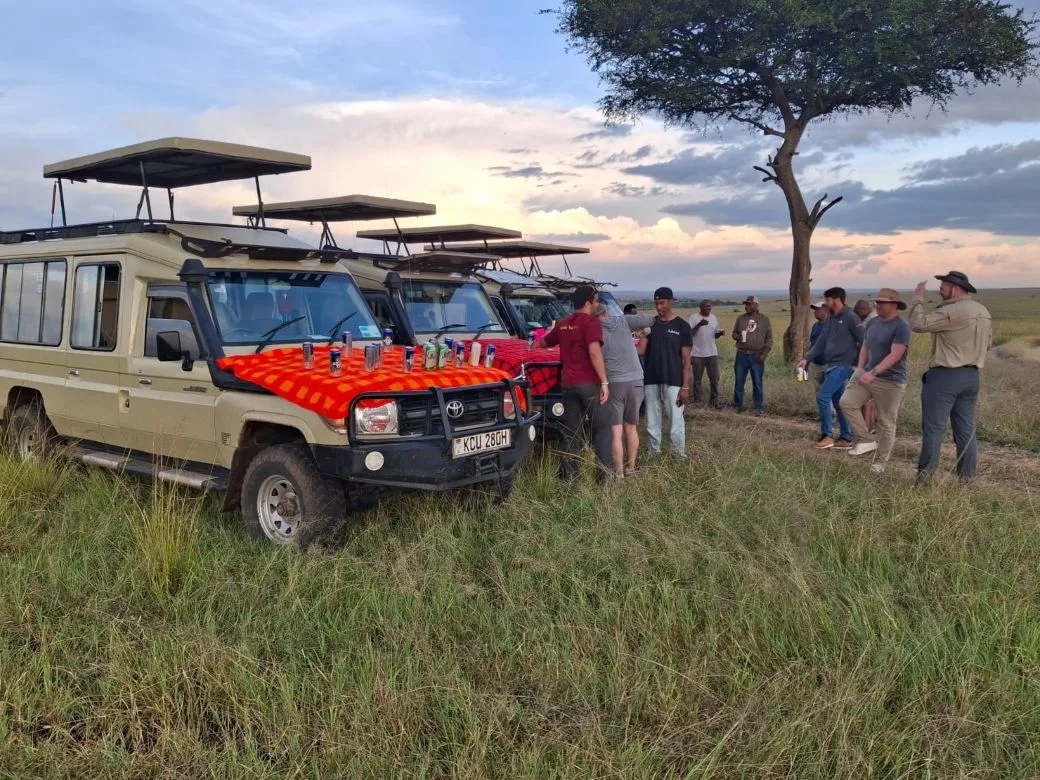
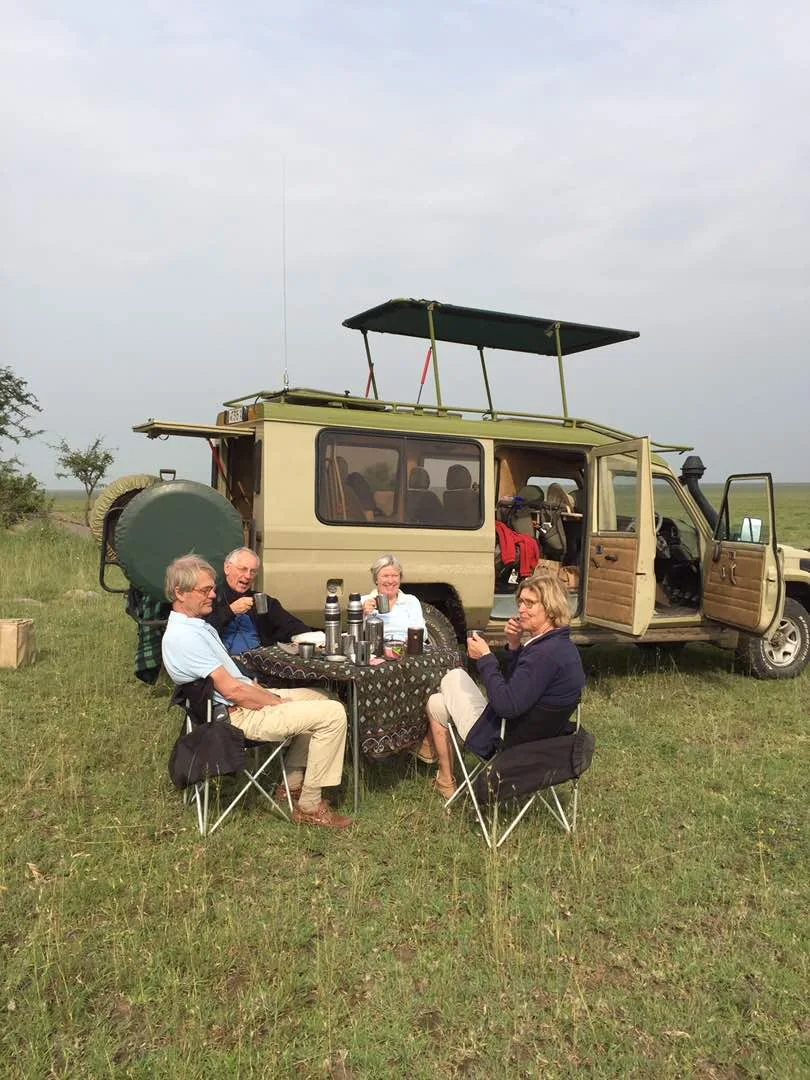
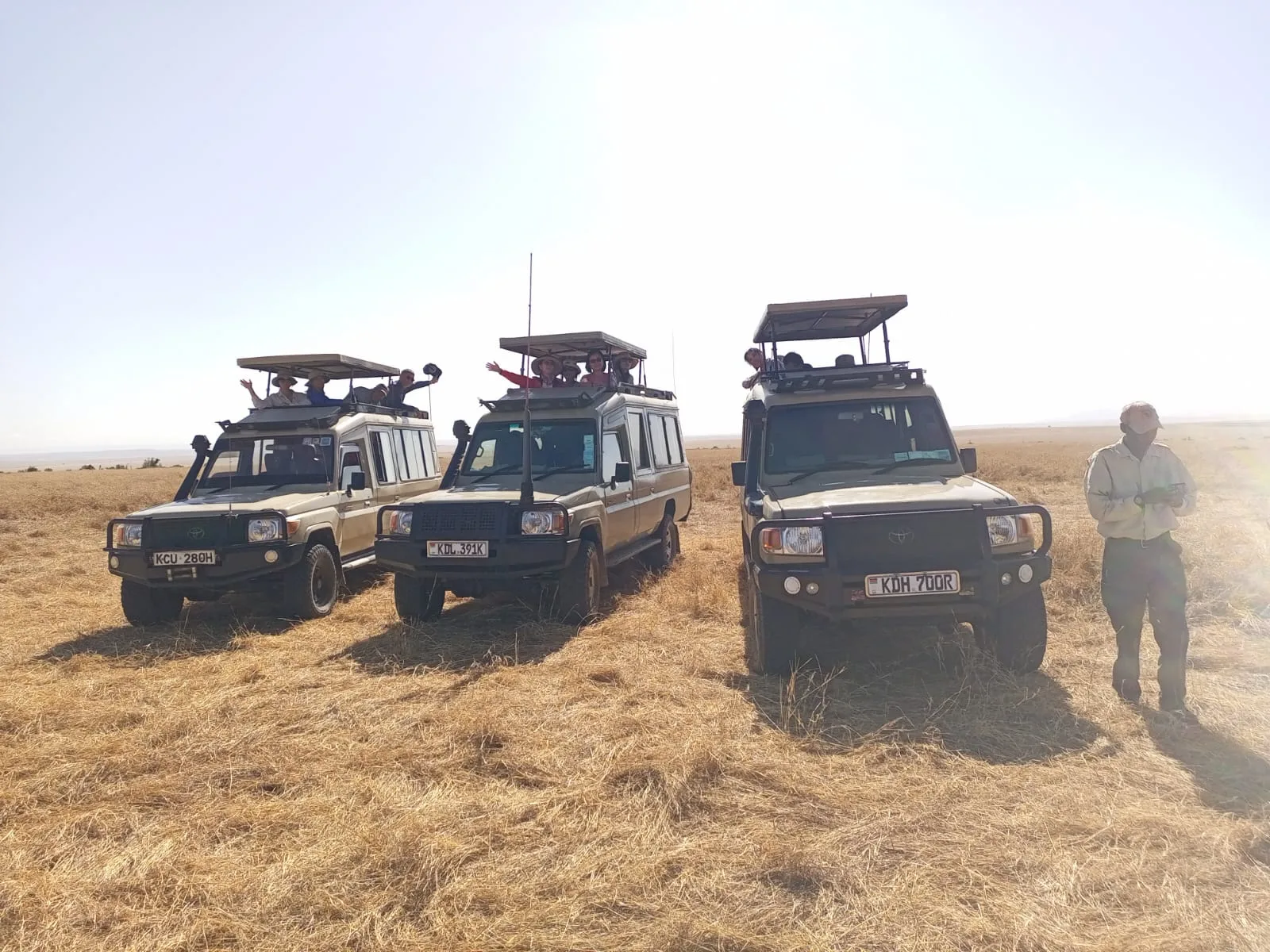
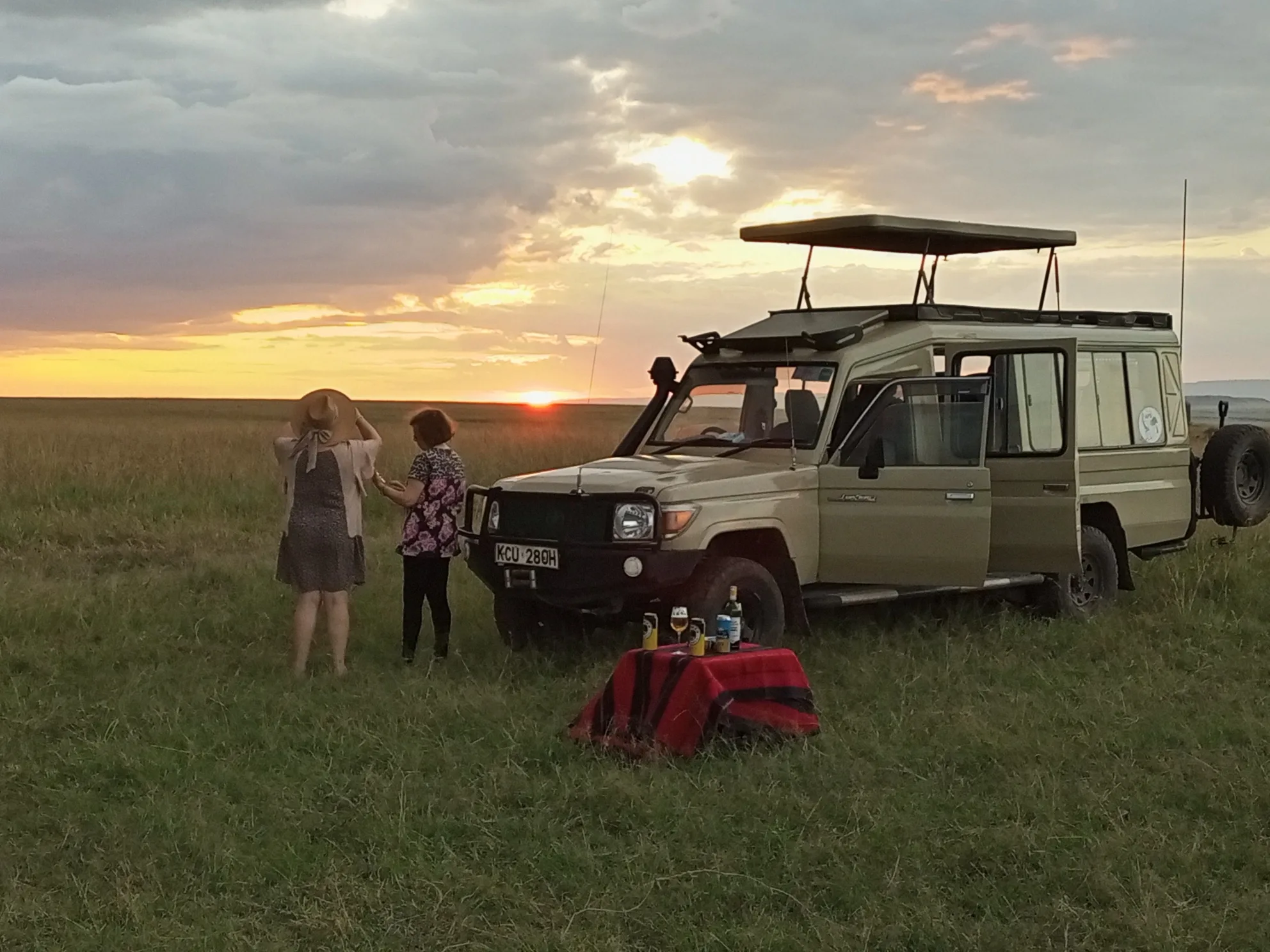
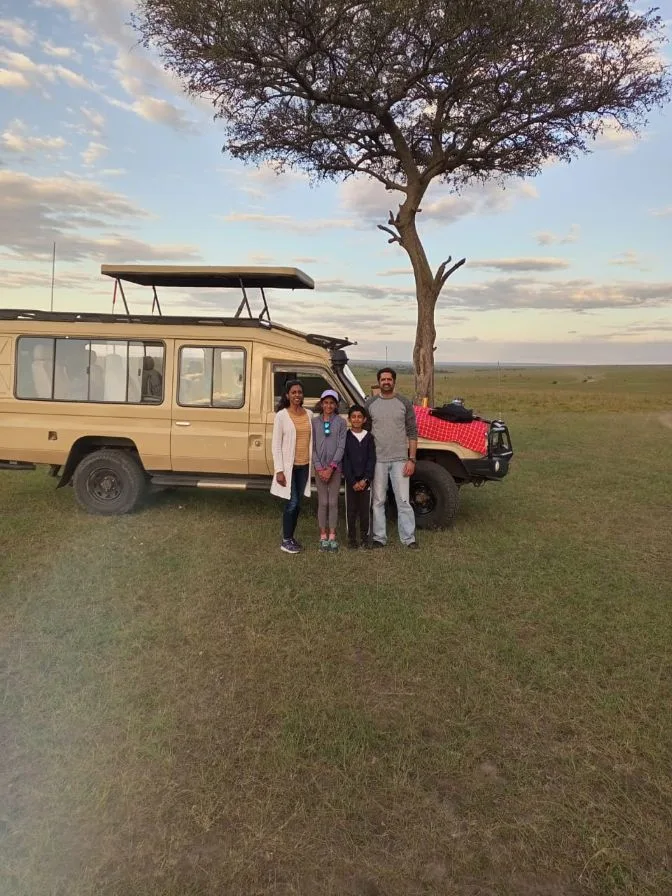
Great Migration Safari Tanzania Gallery
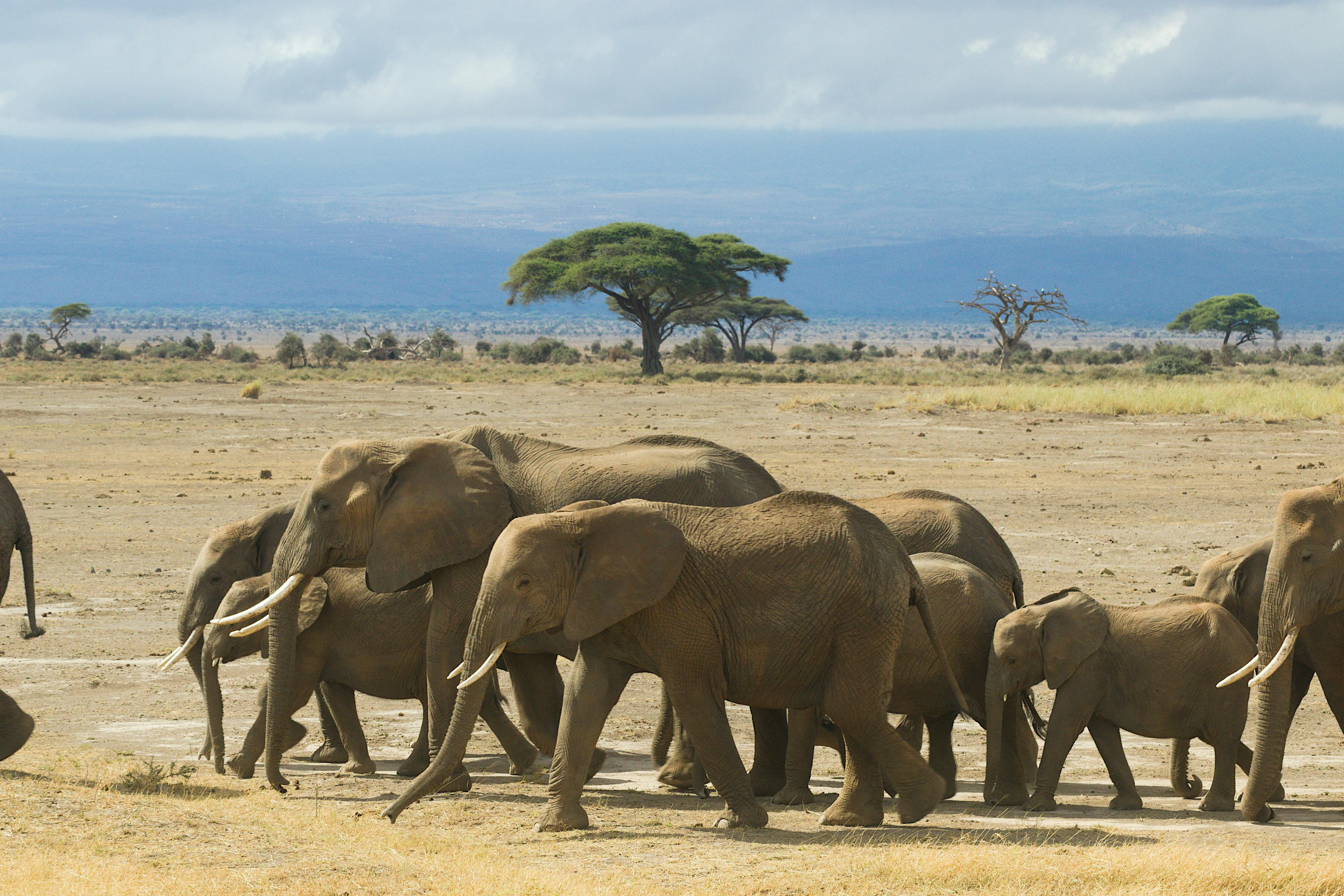
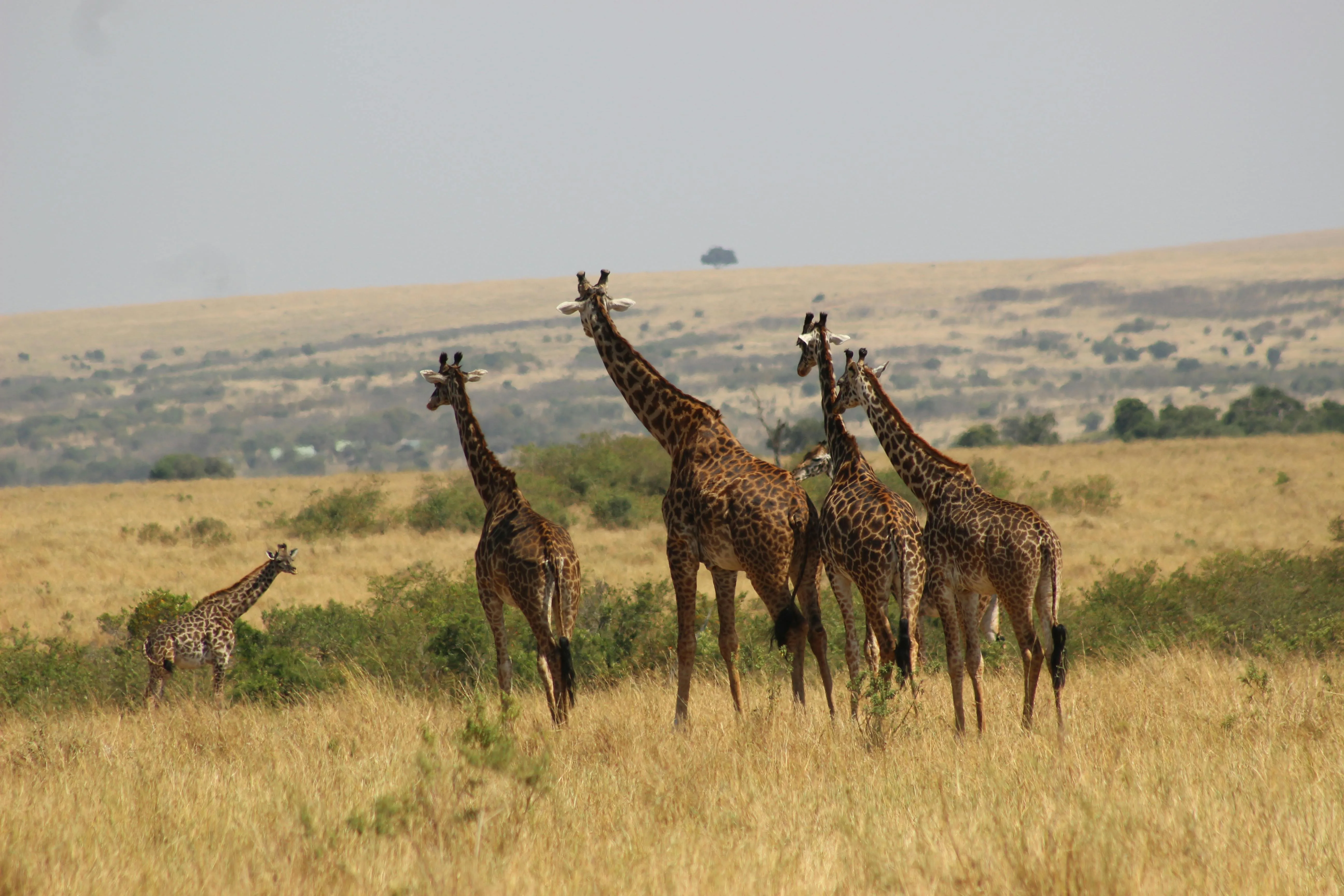
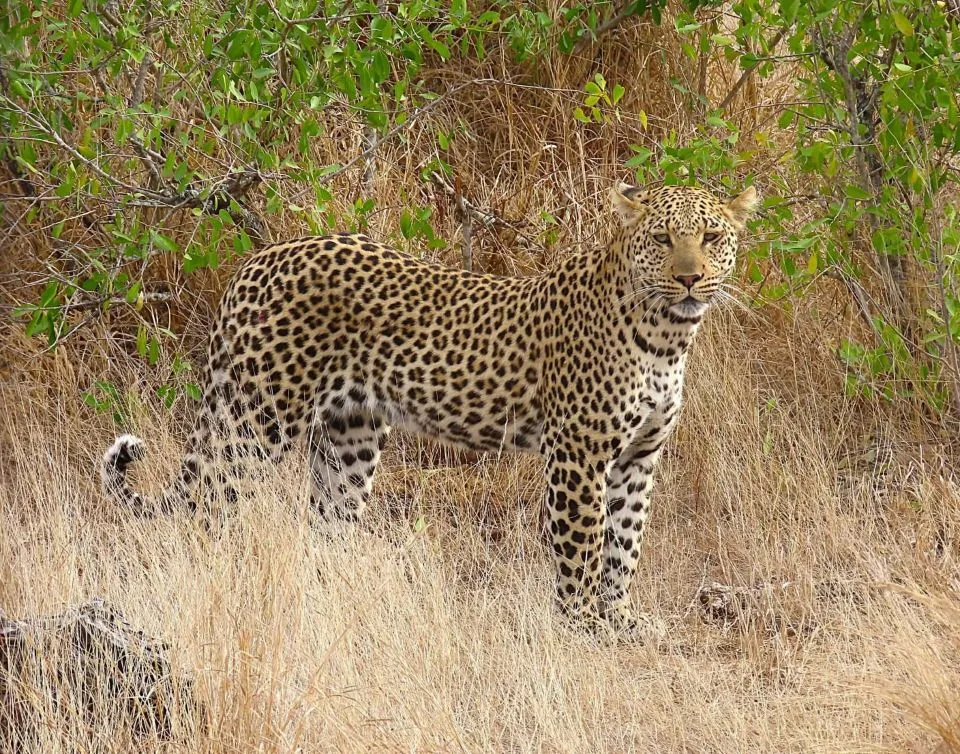
Great Migration Tanzania at a Glance
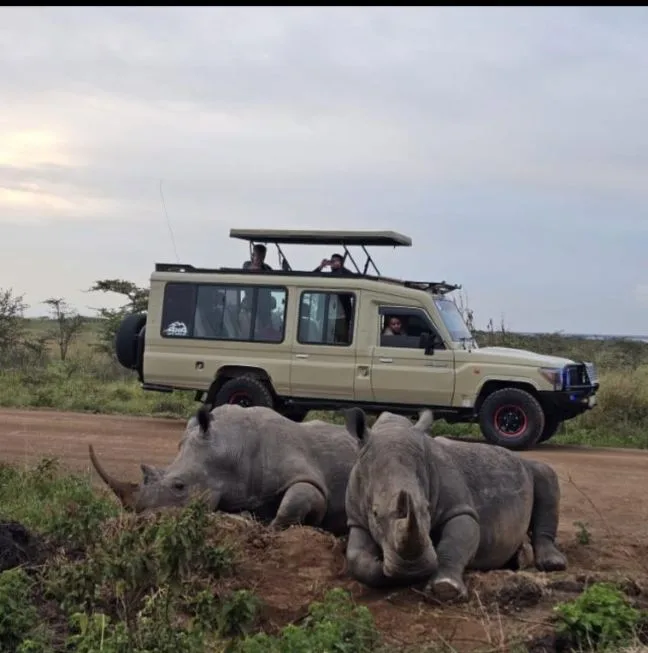
A Great Migration safari in Tanzania offers different experiences depending on the season. Ndutu is particularly rewarding for calving and predator activity, while Northern Serengeti attracts visitors hoping to witness Mara River crossings.
The quick facts below summarise the main migration periods, recommended safari duration, accommodation options and practical planning considerations.
Great Migration Safari Quick Facts
Planning Question | What Travellers Should Know |
|---|---|
Migration location | Southern, Central, Western and Northern Serengeti |
Best time to visit | Year-round, depending on your preferred experience |
Calving season | January–March, particularly February |
Best calving location | Ndutu and Southern Serengeti |
Grumeti River period | May–July |
Mara River crossing season | July–October |
Best river crossing area | Northern Serengeti, especially Kogatende |
River crossings guaranteed? | No, wildlife movements are unpredictable |
Recommended safari duration | 5–8 days |
Departure points | Arusha or Zanzibar (fly-in options) |
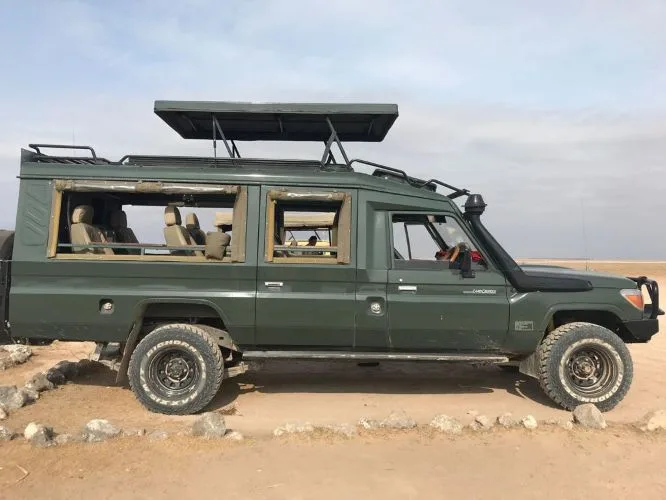
Safari vehicle | Private 4×4 Land Cruiser |
Popular safari combination | Serengeti and Ngorongoro Crater |
Accommodation | Safari lodges, tented camps and seasonal migration camps |
Estimated safari cost | USD 1,450–7,500+ per person, depending on safari arrangements |
Best photography periods | Calving season and Northern Serengeti migration |
Advance booking | Recommended, especially January–February and July–October |
What Makes a Tanzania Great Migration Safari Different?
Unlike a conventional wildlife safari, a migration-focused itinerary prioritises the Serengeti region most relevant to your travel dates. This influences the choice of accommodation, driving distances and time available for wildlife viewing.
Safari planning tip: Share your intended travel month and preferred safari duration with East Africa Jungle. We can recommend a suitable route and accommodation based on seasonal migration patterns.
What Is the Great Wildebeest Migration?
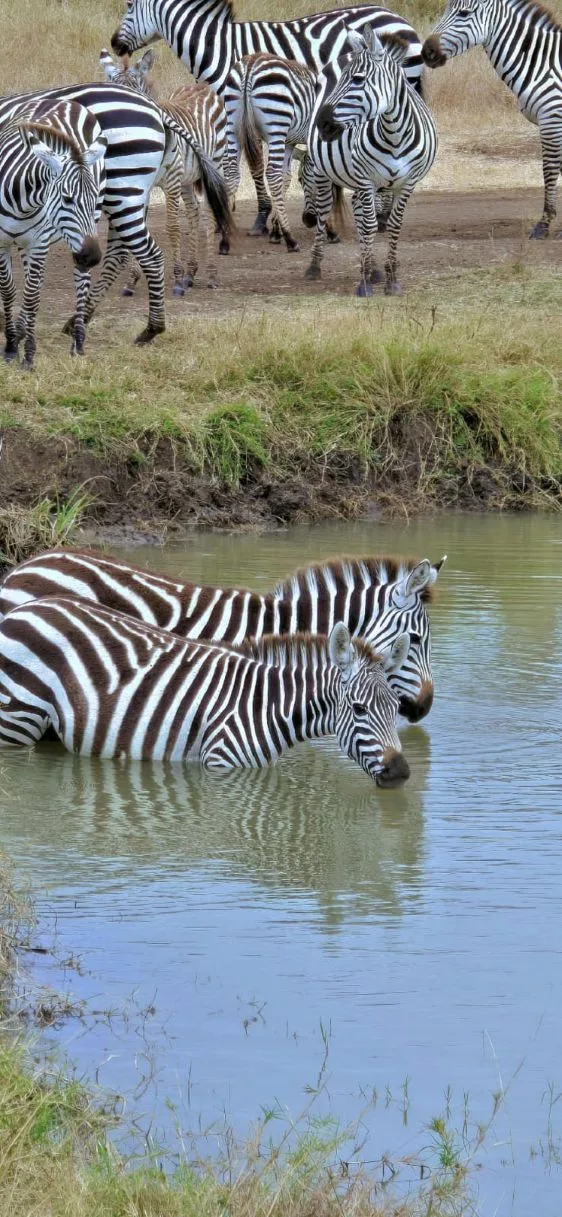
The Great Wildebeest Migration is the annual movement of more than a million wildebeest, accompanied by zebra and other grazing animals, across the Serengeti–Mara ecosystem of Tanzania and Kenya.
Driven mainly by seasonal rainfall and fresh grazing, the migration creates extraordinary opportunities to observe large herds, predators, newborn calves and river crossings.
Why Do the Wildebeest Migrate?
Wildebeest move in search of fresh grass and water. Their annual journey generally follows this pattern:
Southern Serengeti & Ndutu → Central Serengeti → Western Corridor & Grumeti → Northern Serengeti & Mara River → Southern Serengeti.
The timing varies each year, making the migration a natural wildlife cycle rather than a scheduled event.
How Many Animals Take Part in the Great Migration?
More than a million wildebeest participate, alongside hundreds of thousands of zebras and other herbivores. The UNESCO Serengeti National Park listing highlights the ecosystem's extraordinary annual migration and wildlife diversity.
The herds attract numerous predators and scavengers, including lions, cheetahs, leopards, hyenas, crocodiles and vultures, creating outstanding wildlife-viewing and photography opportunities.
Is the Great Migration Only About River Crossings?
No. Although Mara River crossings are among the migration's most famous spectacles, the Serengeti offers equally rewarding experiences at other times of year.
The southern plains are known for wildebeest calving and predator activity, while the Central and Western Serengeti can offer impressive moving herds. Each stage provides different opportunities for wildlife viewing and photography.
See our Great Migration Tanzania Month-by-Month Calendar below to compare the seasons.
Where Does the Great Migration Take Place in Tanzania?
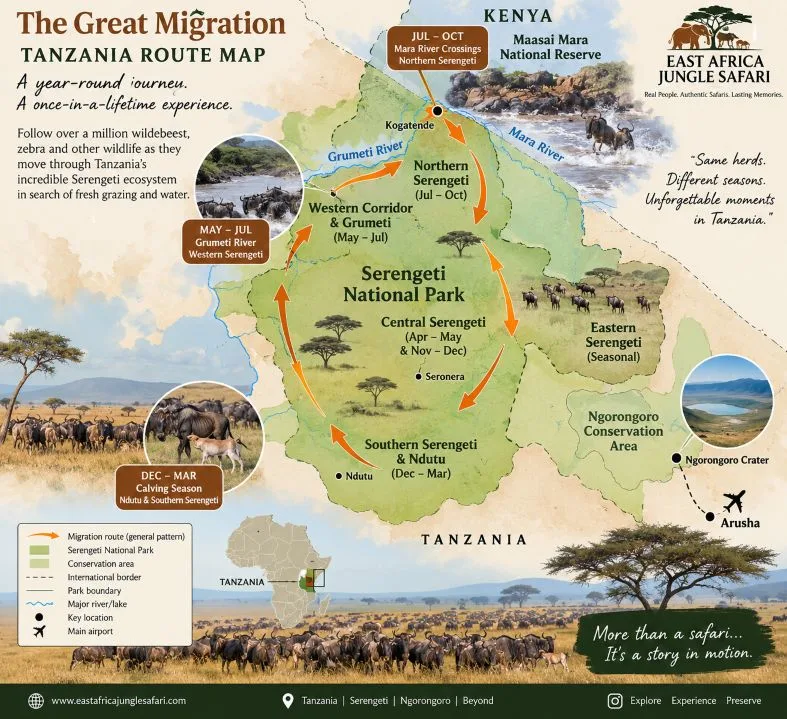
The Great Migration moves through Tanzania’s Serengeti ecosystem, including the Southern Serengeti and Ndutu plains, Central Serengeti (Seronera), Western Corridor and Northern Serengeti (Kogatende). Herd movements follow seasonal rainfall and fresh grazing, creating different wildlife-viewing opportunities throughout the year. The best region for your Tanzania Great Migration safari depends on your travel month and whether you hope to experience calving, large migrating herds or river crossings.
Northern vs Central vs Southern Serengeti – Which Is Best for the Great Migration?
Serengeti region | Best months (approx.) | Main experience | Best for |
|---|---|---|---|
Southern Serengeti & Ndutu | December–March | Calving season, newborn wildebeest and predator activity | Calving and wildlife photography |
Central Serengeti (Seronera) | April–June, November–December | Migrating herds and year-round resident wildlife | First-time visitors and Big Five safaris |
Western Corridor (Grumeti) | May–July | Herd movement and possible Grumeti River crossings | Migration viewing with fewer visitors in some areas |
Northern Serengeti (Kogatende) | July–October | Mara River crossings and large wildebeest herds | River-crossing safaris and photography |
Migration timing varies with rainfall and grazing conditions. River crossings and wildlife sightings cannot be guaranteed.
Which Serengeti Region Should You Choose?
For January–March, choose Ndutu for calving and predator activity. For July–October, Northern Serengeti offers the best seasonal opportunity to witness Mara River crossings. Central Serengeti is a reliable year-round safari destination, while the Western Corridor is particularly rewarding during the mid-year migration.
For a longer safari, combining Central Serengeti with a seasonal migration region provides a broader wildlife experience.
Great Migration Safari Tanzania Prices 2027–2028.
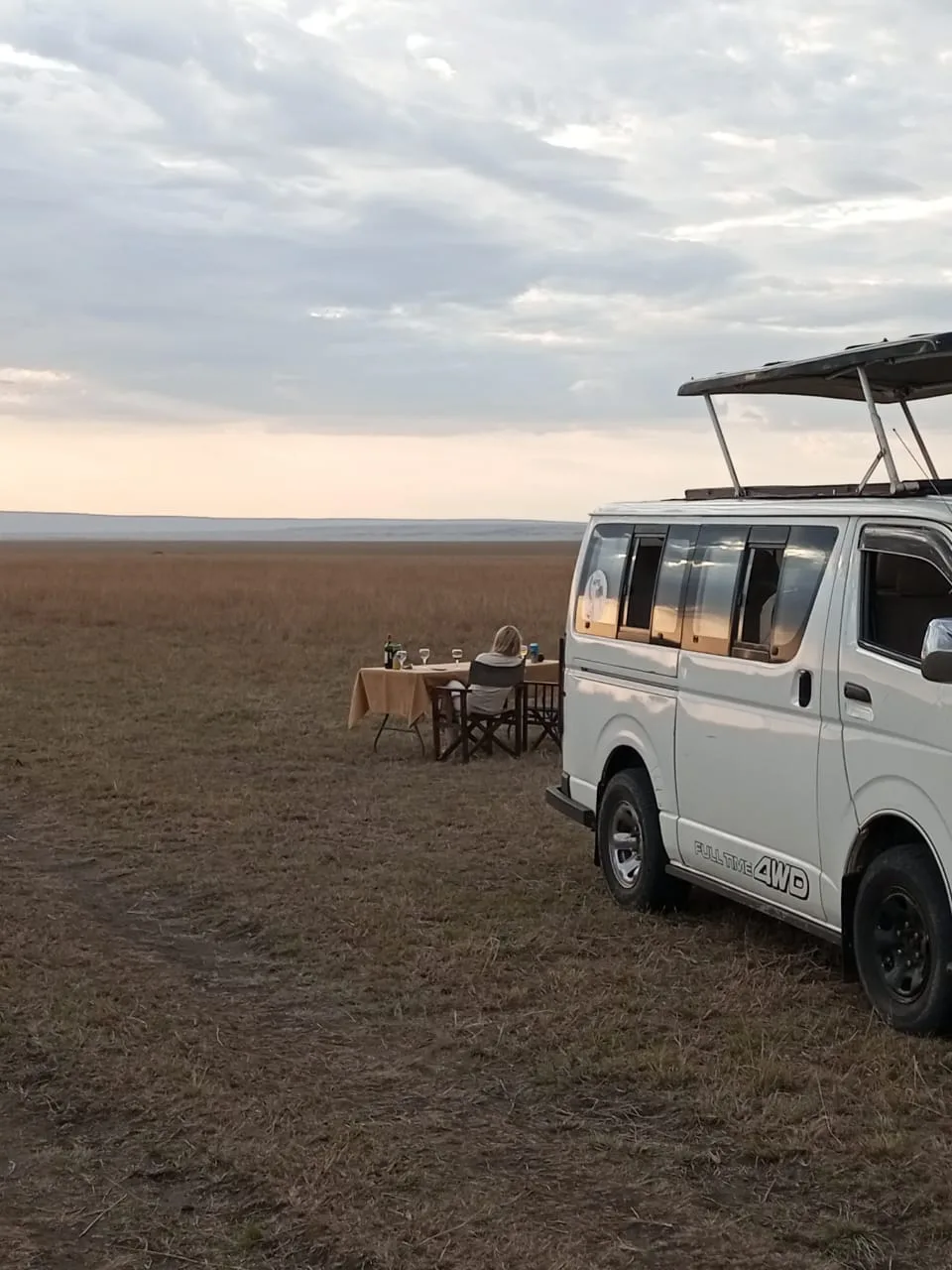
At East Africa Jungle, we offer private Great Migration safaris with a dedicated guide and 4×4 Land Cruiser.
Great Migration Safari Price Comparison
Safari package | Starting price | Pricing conditions |
|---|---|---|
4 Days Ndutu Calving Safari | USD 1,495 pp | Confirm season, group size and room basis |
4 Days Great Migration Safari | USD 1,650 pp | Confirm season, group size and room basis |
5–6 Days Migration Safari | Quotation required | Route and accommodation dependent |
7–8 Days Migration Safari | Quotation required | Route and accommodation dependent |
What's Included in Your Safari Price?
Our private safari quotations normally cover:
Private 4×4 Land Cruiser and professional driver-guide
Safari accommodation and meals as specified
Scheduled game drives
Applicable park and conservation fees
Transfers and domestic flights where explicitly stated
International flights, visas, personal travel insurance, tips and optional activities are generally excluded.
Request a personalised Great Migration safari quotation with your travel dates, number of travellers and preferred accommodation category to receive an itemised price.
Best Time to See the Great Migration in Tanzania 2027–2028
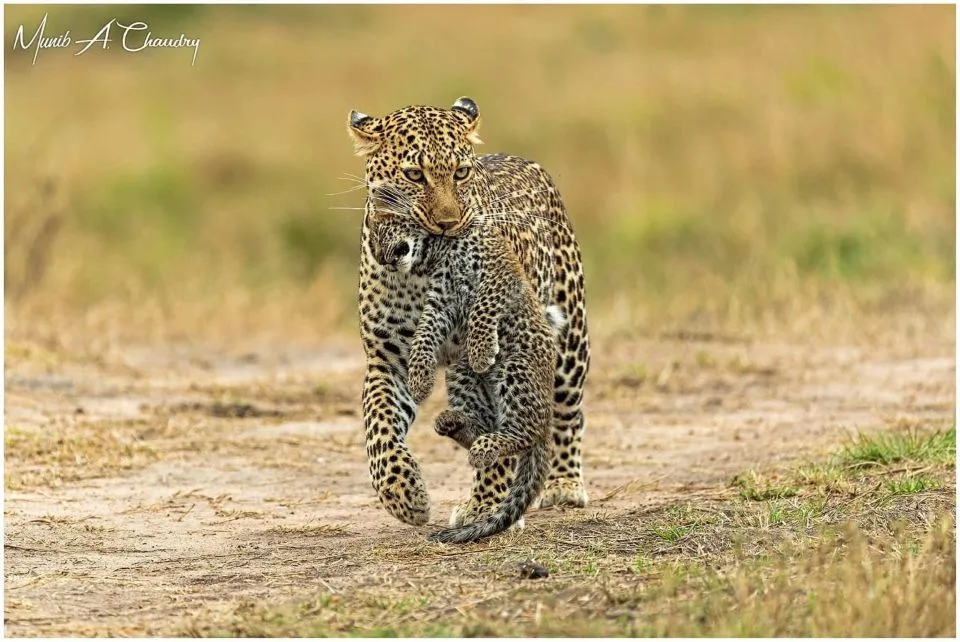
The best time for a Great Migration safari in Tanzania depends on the wildlife experience you want. January–March is ideal for wildebeest calving and predator activity in Ndutu, while July–October offers the best seasonal opportunities for dramatic Mara River crossings in Northern Serengeti. May–July is rewarding for migrating herds in the Western Corridor, including possible Grumeti River crossings.
The Great Migration occurs throughout the year, but herd locations and crossing dates vary with rainfall and grazing conditions. Choosing the right Serengeti region for your travel month is more important than selecting a single best date.
Great Migration Tanzania Month-by-Month Calendar 2027–2028
Choosing the right Great Migration safari in Tanzania depends on when you travel and the wildlife experience you hope to enjoy. From Ndutu's wildebeest calving season to the Mara River crossings in Northern Serengeti, each season offers different safari opportunities.
Use the guide below to find the most suitable Serengeti migration safari for your travel dates.
| Travel months | Recommended location | Suggested safari |
|---|---|---|
| January–March | Ndutu & Southern Serengeti | 4–6 Days Ndutu Calving Safari |
| April–May | Central Serengeti | 4–6 Days Green Season Safari |
| June–July | Western & Northern Serengeti | 5–7 Days Great Migration Safari |
| August–September | Northern Serengeti / Mara River | 6–8 Days River Crossing Safari |
| October | Northern & Central Serengeti | 5–7 Days Serengeti Migration Safari |
| November–December | Central & Southern Serengeti | 4–6 Days Seasonal Migration Safari |
Migration movements depend on rainfall and grazing conditions. These recommendations are based on typical seasonal patterns, and wildlife sightings or river crossings cannot be guaranteed.
Find the Best Great Migration Safari for Your Travel Month
Not sure which Serengeti region to visit? East Africa Jungle can recommend a suitable migration safari based on your travel dates, budget and preferred accommodation. Whether you're planning a private safari, a family holiday or a Serengeti fly-in adventure, we'll help you choose an itinerary that maximises your wildlife-viewing opportunities.
How Many Days Do You Need for a Great Migration Safari?
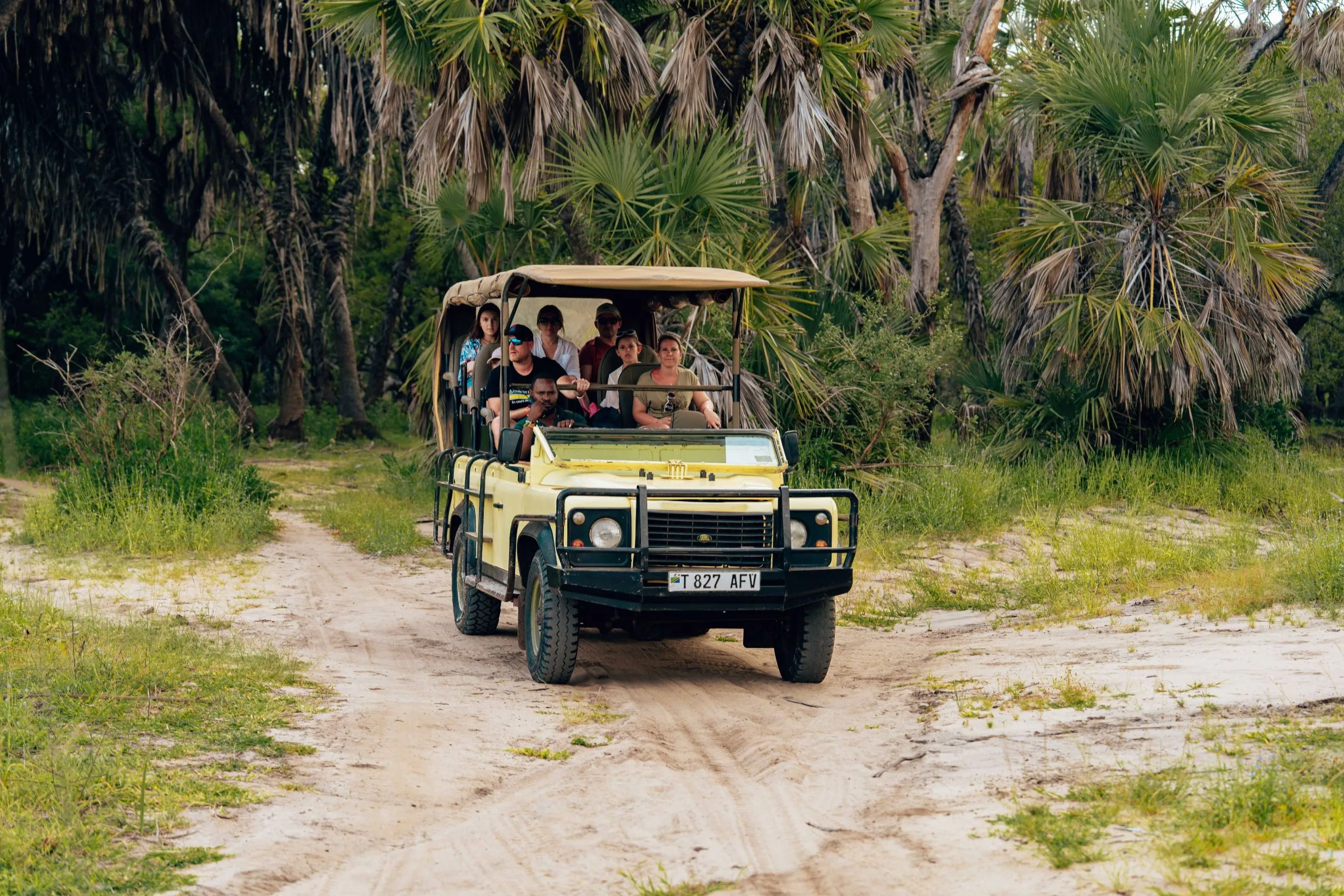
A 5–7-day Great Migration safari in Tanzania is ideal for most travellers, offering enough time for rewarding game drives, wildlife photography and exploring the Serengeti. A 3–4-day safari suits visitors with limited time, particularly when using domestic flights to reduce travel time, while 8–10 days allows a more relaxed pace and greater flexibility to follow seasonal herd movements.
For travellers hoping to witness Mara River crossings, we recommend spending at least three nights in Northern Serengeti. Crossings are unpredictable, and additional game drives improve your opportunities without guaranteeing sightings.
For most travellers, 5–7 days is ideal for a Great Migration safari in Tanzania, allowing enough time for game drives and a visit to Ngorongoro Crater.
Recommended Great Migration Safari Duration
| Safari Duration | Best For | Recommended Approach |
|---|---|---|
| 3 Days | Limited-time travellers | Fly into one migration region |
| 4 Days | Short safaris and Zanzibar visitors | Focus on the migration or combine Ndutu with Ngorongoro |
| 5 Days | First-time visitors and couples | Serengeti migration + Ngorongoro |
| 6–7 Days | Migration enthusiasts and families | More game drives and optional Tarangire |
| 8+ Days | Photographers and wildlife enthusiasts | Extended stays across selected safari regions |
How Many Nights Should You Spend Near the Migration?
Ndutu calving season: 2–4 nights.
Central and Western Serengeti: 2–3 nights.
Northern Serengeti / Mara River: 3–4 nights where possible.
For shorter safaris, flying can reduce travel time. For longer itineraries, travelling by private 4×4 Land Cruiser allows you to combine the Serengeti with other Northern Circuit destinations.
Our recommendation: Prioritise more game-drive time in the appropriate migration region rather than visiting too many parks.
Great Migration Safari Itineraries Tanzania 2027–2028
Our Great Migration safari itineraries in Tanzania are designed around seasonal wildebeest movements, realistic travel distances and rewarding game-viewing opportunities. Choose from short Serengeti fly-in safaris, Ndutu calving adventures or extended Northern Serengeti river-crossing safaris. Each itinerary can be customised to your travel dates, preferred accommodation and budget.
4 Days Ndutu Calving Season Safari – January to March
Travel style: Private road safari
Route: Arusha → Ngorongoro Conservation Area → Ndutu → Arusha
Overnight: 3 nights in the Ndutu area
| Day | Safari activities | Overnight |
|---|---|---|
| Day 1 | Drive from Arusha to Ndutu (approximately 5–6 hours), with an afternoon game drive if arrival time permits | Ndutu |
| Day 2 | Full-day calving-season game drives across the Ndutu plains | Ndutu |
| Day 3 | Full-day wildlife viewing, focusing on wildebeest herds and predators | Ndutu |
| Day 4 | Breakfast and return drive to Arusha (approximately 5–6 hours, depending on road conditions) | — |
Why this itinerary works: Three nights in Ndutu maximise time in the seasonal calving region without unnecessary transfers between parks.
4 Days Serengeti Great Migration Fly-In Safari – Seasonal
Travel style: Private fly-in/fly-out safari
Route: Arusha → Seasonal Serengeti Migration Region → Arusha
Overnight: 3 nights in the selected Serengeti region
| Day | Safari activities | Overnight |
|---|---|---|
| Day 1 | Scheduled flight from Arusha to the appropriate Serengeti airstrip, followed by an afternoon game drive | Serengeti |
| Day 2 | Full-day migration-focused game drives | Serengeti |
| Day 3 | Full-day wildlife exploration in the selected migration area | Serengeti |
| Day 4 | Morning game drive where flight timing permits, followed by the return flight to Arusha | — |
Why this itinerary works: Flying reduces long road transfers and allows more time for game viewing, particularly when the herds are in Northern Serengeti.
6 Days Northern Serengeti Great Migration Safari – July to October
Travel style: Private road safari with fly-out
Route: Arusha → Central Serengeti → Northern Serengeti → Arusha
Overnight: 1 night Central Serengeti + 4 nights Northern Serengeti
| Day | Safari activities | Overnight |
|---|---|---|
| Day 1 | Drive from Arusha to Central Serengeti (approximately 7–9 hours, depending on stops and road conditions), with game viewing en route where possible | Central Serengeti |
| Day 2 | Drive towards Kogatende in Northern Serengeti (approximately 4–6 hours), with wildlife viewing along the way | Northern Serengeti |
| Day 3 | Full-day game drives exploring the Northern Serengeti and potential Mara River crossing areas | Northern Serengeti |
| Day 4 | Full-day migration-focused game drives around Kogatende | Northern Serengeti |
| Day 5 | Additional full-day game drives, allowing flexibility to follow herd movements | Northern Serengeti |
| Day 6 | Breakfast and transfer to Kogatende Airstrip for a scheduled flight to Arusha; a morning game drive depends on flight timing | — |
Why this itinerary works: Four nights in Northern Serengeti provide three full days for migration viewing, increasing opportunities to observe river-crossing activity without guaranteeing sightings.
Road-return alternative: Travellers who prefer not to fly should consider extending the safari to approximately 7–8 days to allow a more comfortable return journey via Central Serengeti.
8 Days Tanzania Great Migration & Ngorongoro Safari – Seasonal
Travel style: Private road safari with optional fly-out
Route: Arusha → Tarangire → Ngorongoro → Serengeti → Arusha
Overnight: 1 night Arusha + 1 night Tarangire/Karatu + 1 night Karatu/Ngorongoro + 4 nights Serengeti
| Day | Safari activities | Overnight |
|---|---|---|
| Day 1 | Arrival in Arusha, airport transfer and safari briefing | Arusha |
| Day 2 | Drive to Tarangire National Park (approximately 2–2.5 hours), followed by a game drive | Tarangire/Karatu |
| Day 3 | Ngorongoro Crater game drive, followed by overnight accommodation near the conservation area | Karatu/Ngorongoro |
| Day 4 | Transfer to the appropriate Serengeti migration region, with game viewing where time permits | Serengeti |
| Day 5 | Full-day migration-focused game drives | Serengeti |
| Day 6 | Full-day Serengeti wildlife exploration | Serengeti |
| Day 7 | Further game drives in the selected Serengeti region | Serengeti |
| Day 8 | Transfer to the appropriate airstrip and scheduled flight to Arusha or Zanzibar | — |
Why this itinerary works: The itinerary combines Tanzania's major wildlife destinations while reserving four nights for the Serengeti. For Northern Serengeti departures, the route and transfer arrangements should be adapted to minimise driving time.
Important Safari Planning Notes
Migration movements: Wildebeest follow rainfall and grazing conditions. Herd locations and river crossings cannot be guaranteed.
Travel times: All road durations are approximate and depend on road conditions, park entry procedures and wildlife stops.
Domestic flights: Fly-in and fly-out arrangements depend on airline schedules, airstrip operations and seat availability.
Accommodation: Camps are selected according to the migration region, season, budget and availability.
Private safari vehicles: East Africa Jungle arranges private 4×4 Land Cruiser safaris with professional driver-guides.
Safari customisation: Itineraries can be adjusted for families, honeymooners, photographers and travellers combining a safari with Zanzibar.
Plan Your Great Migration Safari Tanzania 2027–2028
Tell East Africa Jungle your travel dates, number of travellers and preferred safari duration. Our team will recommend the most suitable migration region, transport arrangements and accommodation for your personalised Tanzania safari.
Best Great Migration Safari Itineraries Tanzania 2027–2028
Choosing the right Great Migration safari itinerary in Tanzania depends on your travel dates, available time and preferred wildlife experience. East Africa Jungle offers private and selected group safaris designed around seasonal wildebeest movements, from Ndutu's calving season to Northern Serengeti's Mara River crossings.
Explore four recommended itineraries below, with options for short wildlife holidays, river-crossing safaris and extended Tanzania adventures.
1: 4 Days Ndutu Calving Season Safari – January to March
Best for: Calving season, predator encounters and wildlife photography.
Experience the Great Migration's calving season in Ndutu and the Southern Serengeti, where thousands of wildebeest gather on nutrient-rich grasslands. February is particularly rewarding for newborn calves and predator activity.
Suggested itinerary:
Day 1: Arusha to Ndutu, afternoon game drive.
Day 2: Full-day Ndutu calving season game drives.
Day 3: Further Ndutu and Southern Serengeti wildlife exploration.
Day 4: Return to Arusha, with a flight or road transfer arranged according to the itinerary.
Recommended duration: 4 days / 3 nights.
2: 4 Days Serengeti Great Migration Safari – Seasonal
Best for: Travellers with limited time who want a migration-focused safari.
This short safari concentrates on the Serengeti region most suitable for your travel month. A fly-in option can reduce long road transfers and maximise game-viewing time, particularly when the migration is in Northern Serengeti.
Suggested itinerary:
Day 1: Fly from Arusha to the selected Serengeti airstrip; afternoon game drive.
Day 2: Full-day migration-focused game drives.
Day 3: Further wildlife viewing in the selected Serengeti region.
Day 4: Morning game drive, followed by a scheduled flight to Arusha.
Recommended duration: 4 days / 3 nights.
3: 6 Days Northern Serengeti Great Migration Safari – July to October
Best for: Mara River crossings, large migrating herds and wildlife photography.
Northern Serengeti is a prime destination for travellers hoping to witness dramatic Mara River crossings. This itinerary allows several days in the Kogatende area, providing flexibility to follow herd movements and spend time near potential crossing points.
Suggested itinerary:
Day 1: Arusha to Central Serengeti, with a scenic drive and game viewing.
Day 2: Central Serengeti to Northern Serengeti.
Day 3: Full-day Northern Serengeti game drives.
Day 4: Full-day Northern Serengeti migration exploration.
Day 5: Additional Northern Serengeti game drives.
Day 6: Morning game drive and flight from Kogatende to Arusha.
Recommended duration: 6 days / 5 nights.
4: 8 Days Tanzania Great Migration & Ngorongoro Safari – Seasonal
Best for: Travellers seeking a comprehensive Northern Tanzania wildlife safari.
Combine the Serengeti Great Migration with Ngorongoro Crater and Tarangire National Park. This extended private safari provides time for migration-focused game drives alongside diverse wildlife habitats and opportunities to see elephants, lions, giraffes and other iconic African animals.
Suggested itinerary:
Day 1: Arrival in Arusha and overnight stay.
Day 2: Tarangire National Park game drive.
Day 3: Ngorongoro Crater game drive.
Day 4: Travel to the seasonal Serengeti migration region.
Day 5: Full-day migration game drives.
Day 6: Full-day migration game drives.
Day 7: Further Serengeti exploration.
Day 8: Fly to Arusha or Zanzibar, subject to schedules.
Recommended duration: 8 days / 7 nights.
All itineraries are illustrative and must be adapted to seasonal herd movements, actual travel distances, accommodation availability and flight schedules. Wildlife sightings and river crossings cannot be guaranteed.
Northern vs Central vs Southern Serengeti – Where Should You Go for the Great Migration?
Choosing between Northern, Central and Southern Serengeti depends on your travel season, preferred wildlife encounters and available safari days.
Northern vs Central vs Southern Serengeti Comparison
| Safari Factor | Southern Serengeti & Ndutu | Central Serengeti | Northern Serengeti |
|---|---|---|---|
| Key migration period | Dec–Mar | Transitional periods | Jul–Oct |
| Signature experience | Calving season | Migration + resident wildlife | Possible Mara River crossings |
| Best-known area | Ndutu / short-grass plains | Seronera | Kogatende / Mara River |
| Landscape | Open short-grass plains | Plains, kopjes, valleys & woodland | Rolling plains, woodland & river |
| Wildebeest calves | Excellent in season | Seasonal | Limited as a defining feature |
| Predator viewing | Strong | Strong year-round | Strong |
| River crossings | No major migration crossing focus | No | Possible Mara River crossings |
| Resident wildlife | Good | Excellent | Excellent |
| Best for first safari | Excellent in calving season | Excellent year-round | Excellent during northern migration |
| Photography | Calves, predators, open plains | Big cats & varied habitats | Herds, river scenes & landscapes |
| Suggested migration stay | 2–4 nights | 2–3 nights | 3–4 nights |
| Seasonal demand | High around Feb | Popular year-round | High Aug–Sep |
| Main planning advantage | Close to calving grounds | Central location & wildlife diversity | Access to Mara River region |
Southern Serengeti and Ndutu are particularly suitable for calving-season safaris, Central Serengeti offers strong resident wildlife viewing, and Northern Serengeti is the main focus for travellers hoping to see Mara River crossings.
For longer safaris, combining two regions can provide a more varied wildlife experience. The table below compares their main advantages and recommended travel periods.
For detailed seasonal information, refer to our Great Migration Tanzania Month-by-Month Calendar 2027–2028 above.
Mara River vs Grumeti River Crossings: What's the Difference?
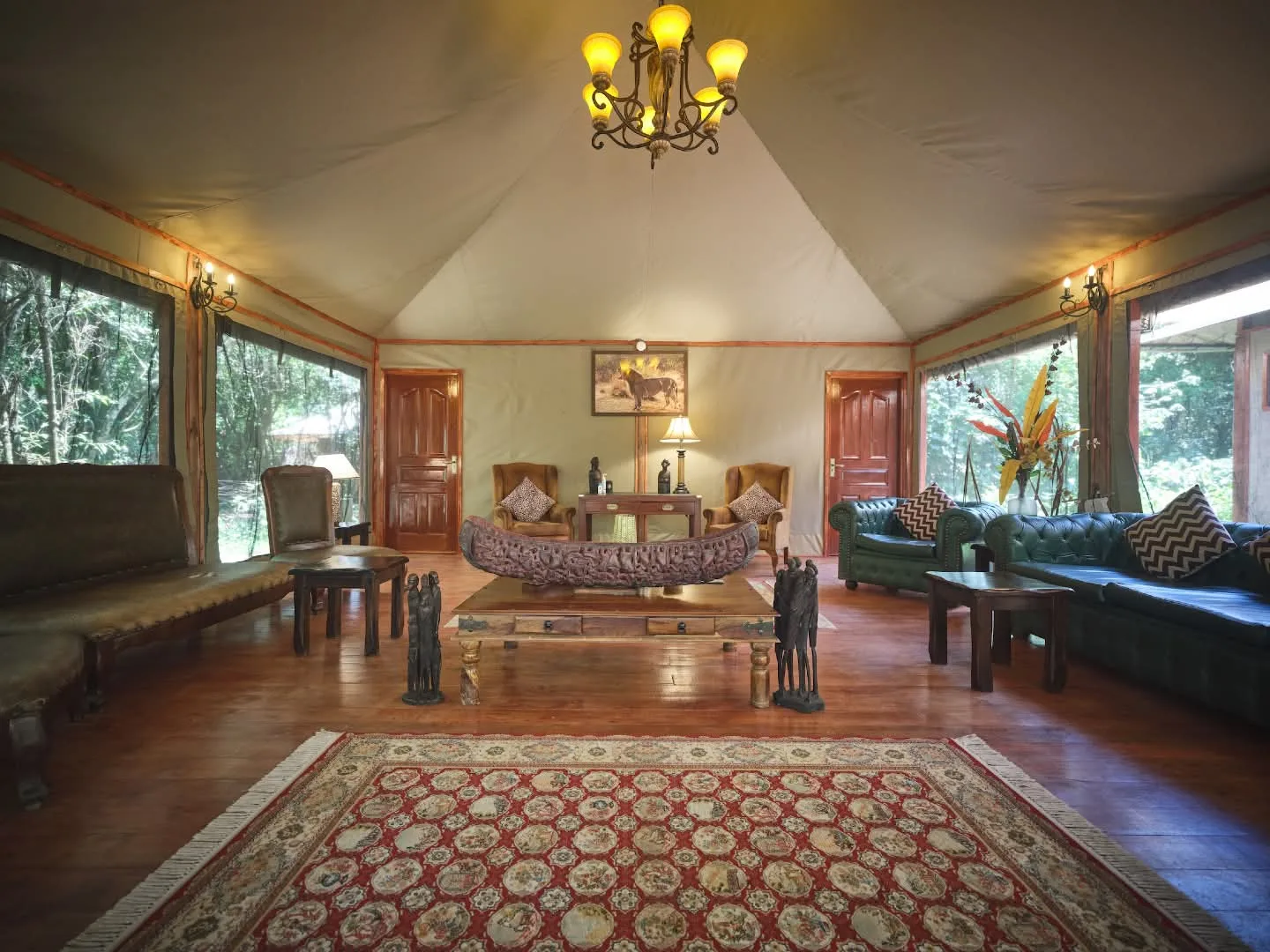
Both rivers feature in the Great Migration in Tanzania, but they are associated with different migration stages.
The Grumeti River lies in Western Serengeti, where herds generally move through between May and July. The Mara River in Northern Serengeti is famous for possible wildebeest crossings between July and October.
Grumeti River vs Mara River Comparison
| Safari Factor | Grumeti River | Mara River |
|---|---|---|
| Location | Western Serengeti | Northern Serengeti |
| Best Period | May–July | July–October |
| Main Experience | Moving herds and possible river activity | Potential dramatic wildebeest crossings |
| Suggested Stay | 2–3 nights | 3–4 nights |
| Best For | Western migration and wildlife viewing | River-crossing enthusiasts |
Migration dates vary with rainfall and grazing conditions. Crossings at either river are never guaranteed.
When Is the Best Time for Mara River Crossings?
August and September are particularly popular for Northern Serengeti migration safaris. However, wildebeest may gather near the river, retreat or cross unexpectedly.
For better opportunities, stay 3–4 nights near Kogatende and the Mara River, allowing several game drives with an experienced guide.
Can You See Mara River Crossings in Tanzania?
Yes. The Mara River flows through Northern Serengeti, so travellers can experience the river-crossing season without visiting Kenya.
Even without a crossing, the region offers excellent opportunities to see wildebeest, zebra, lions, elephants, crocodiles and other wildlife.
Which should you choose? Visit Western Serengeti around May–July for the Grumeti migration, or Northern Serengeti around July–October for possible Mara River crossings.
John Peter's Safari Expert Tip: "A successful migration safari depends on choosing the right region and allowing enough game-drive time. We can plan around seasonal herd movements, but no operator can guarantee a river crossing."
Wildlife You Can See Beyond the Great Migration
A Great Migration safari in Tanzania offers more than wildebeest and zebra. The Serengeti is home to lions, leopards, cheetahs, elephants, buffalo, giraffes and abundant birdlife throughout the year.
Even when the migrating herds are elsewhere, resident wildlife makes the Serengeti rewarding for game drives.
Serengeti Wildlife at a Glance
| Wildlife | Where & What to Expect |
|---|---|
| Wildebeest & zebra | Seasonal herds, calving and migration movements |
| Lions & hyenas | Predators found throughout the Serengeti |
| Cheetahs | Open plains, particularly Ndutu and Southern Serengeti |
| Leopards | Woodlands and riverine habitats, especially Central Serengeti |
| Elephants & giraffes | Savannah and woodland areas |
| Buffalo & antelopes | Resident wildlife across the ecosystem |
| Hippos & crocodiles | Mara and Grumeti river systems |
| Birdlife | Eagles, vultures, ostriches, secretary birds and other species |
Best Wildlife Experiences by Season
January–March: Ndutu calving season, newborn wildebeest, lions, cheetahs and hyenas.
May–July: Moving herds, predators and wildlife around Central and Western Serengeti.
July–October: Northern Serengeti herds, crocodiles and possible Mara River crossings.
November–December: Southward-moving herds and resident wildlife.
Can You See the Big Five?
The Big Five—lion, leopard, elephant, buffalo and rhino—can be encountered on a Tanzania Northern Circuit safari. However, rhinos are particularly difficult to spot in the Serengeti.
Combining the Serengeti with Ngorongoro Crater provides additional wildlife-viewing opportunities.
All wildlife sightings, including river crossings and the Big Five, depend on natural conditions and cannot be guaranteed.
Great Migration Safari from Zanzibar
We recommend 3–5 safari days, with the destination and flight route selected according to the migration season.
Recommended Zanzibar Great Migration Safari Itineraries
| Duration | Suggested Itinerary | Best For |
|---|---|---|
| 3 Days | Zanzibar → Serengeti → Zanzibar | Short fly-in safari |
| 4 Days | Zanzibar → Serengeti (3 nights) → onward flight | Extended migration viewing |
| 5 Days | Zanzibar → Serengeti → Ngorongoro → Arusha | Migration and Ngorongoro Crater |
Flights, airstrips and return connections depend on schedules and availability.
Best Serengeti Region by Season
| Travel Period | Recommended Safari Area |
|---|---|
| January–March | Ndutu & Southern Serengeti — calving season |
| April–May | Central Serengeti |
| May–July | Central & Western Serengeti |
| July–October | Northern Serengeti — possible Mara River crossings |
| November–December | Central & Southern Serengeti |
Migration movements vary with rainfall, and river crossings cannot be guaranteed.
Why Choose a Fly-In Safari from Zanzibar?
Save travel time: Fly towards the appropriate Serengeti region instead of travelling overland from Arusha.
Enjoy private game drives: Explore with a dedicated safari guide and 4×4 Land Cruiser.
Combine safari and beach: Visit the Serengeti before or after your Zanzibar holiday.
Flexible itineraries: Add Ngorongoro Crater when your safari duration and flight connections allow.
Important Travel Information
Flights: Domestic flights are included only when specified in your safari quotation. Routes may involve intermediate stops.
Luggage: Soft-sided bags are recommended for light-aircraft flights. Confirm the applicable baggage allowance before departure.
Safari duration: Three days suits a focused Serengeti visit; four to five days allows more game-drive time or additional destinations.
Great Migration Safari from Arusha
Travellers can choose a private 4×4 Land Cruiser safari, a fly-in safari or a combination of road travel and domestic flights. The best option depends on your travel dates, budget and safari duration.
Recommended Great Migration Safaris from Arusha
| Duration | Suggested Itinerary | Best For |
|---|---|---|
| 3–4 days | Arusha → Serengeti or Ndutu → Arusha | Short, migration-focused safari; flights recommended for distant regions |
| 5 days | Arusha → Ngorongoro → Serengeti → Arusha | First-time visitors |
| 6 days | Arusha → Ngorongoro → Central & Northern Serengeti → fly to Arusha | More migration viewing time |
| 7 days | Arusha → Tarangire → Ngorongoro → Serengeti → fly to Arusha | Extended Northern Circuit safari |
Routes are adjusted according to seasonal migration patterns. Northern Serengeti is generally prioritised during July–October, while Ndutu and Southern Serengeti are popular during January–March.
Road Safari vs Fly-In Safari from Arusha
| Road Safari | Fly-In Safari |
|---|---|
| Generally more affordable | Saves travel time |
| Ideal for 5–7+ days | Ideal for 3–5 days |
| Easy to combine with Ngorongoro and Tarangire | Convenient for Northern Serengeti |
| Scenic Northern Circuit journey | More time for migration game drives |
Expert recommendation: For longer safaris, consider driving into the Serengeti and flying back to Arusha. This reduces unnecessary return transfers while allowing you to experience the Northern Circuit landscapes.
Best Great Migration Routes by Season
| Travel Period | Recommended Safari Region |
|---|---|
| January–March | Ndutu & Southern Serengeti |
| April–May | Central Serengeti |
| May–July | Central & Western Serengeti |
| July–October | Northern Serengeti & Mara River |
| November–December | Central & Southern Serengeti |
Migration timing varies with rainfall and grazing conditions.
Should You Add Ngorongoro or Tarangire?
Ngorongoro Crater is an excellent addition for first-time visitors with five or more safari days. Tarangire National Park works best for longer 6–7+ day itineraries, offering elephants, baobab landscapes and diverse wildlife.
For shorter migration safaris, prioritise additional time in the relevant Serengeti region.
Private vs Group Great Migration Safaris in Tanzania
Choosing between a private and group-joining Great Migration safari in Tanzania depends on your budget, travel preferences and desired flexibility.
A private safari offers an exclusive 4×4 Land Cruiser, dedicated guide and personalised game drives. A group-joining safari shares the vehicle and itinerary with other travellers, making it a more affordable option.
Private vs Group Safari Comparison
| Safari Feature | Private Safari | Group-Joining Safari |
|---|---|---|
| Safari vehicle | Exclusive 4×4 Land Cruiser | Shared 4×4 Land Cruiser |
| Safari guide | Dedicated guide | Shared guide |
| Departure dates | Flexible | Scheduled |
| Game drives | Personalised | Fixed group programme |
| Wildlife photography | Greater flexibility | Shared viewing time |
| Accommodation | Customisable | Predetermined |
| Cost per person | Higher for small groups | Generally lower |
| Best for | Families, couples, photographers | Solo and budget travellers |
Which Safari Is Best for the Great Migration?
Private safaris are ideal for travellers who want flexibility when observing Mara River activity, Ndutu calving or predator behaviour. They also suit families, honeymooners and dedicated wildlife photographers.
Group-joining safaris are suitable for budget-conscious travellers and solo adventurers who enjoy sharing their experience with others.
Both options can provide rewarding wildlife encounters when the itinerary visits the appropriate Serengeti region during the migration season.
Which Option Offers Better Value?
A private safari can become more affordable per person when four to six travellers share the vehicle costs. Group safaris generally offer lower prices for solo travellers and couples.
At East Africa Jungle, we recommend choosing the safari format that best matches your travel dates, wildlife interests and budget.
Best Great Migration Safaris for Families, Couples, Honeymooners & Photographers
The best Great Migration safari in Tanzania depends on your travel dates, budget, wildlife interests and preferred travel style. Families, couples, photographers and solo travellers may benefit from different itineraries.
Which Great Migration Safari Is Right for You?
| Traveller Type | Recommended Duration | Suggested Safari Experience |
|---|---|---|
| First-time visitors | 5–7 days | Serengeti Great Migration + Ngorongoro Crater |
| Families | 5–7 days | Private safari with comfortable travel times |
| Couples | 4–7 days | Private Serengeti safari with flexible game drives |
| Honeymooners | 4–6 safari days | Luxury migration safari + Zanzibar |
| Wildlife photographers | 7–10 days | Private vehicle and extended wildlife viewing |
| Solo travellers | 4–7 days | Group-joining or private safari |
| Senior travellers | 5–7 days | Relaxed itinerary with fewer transfers |
| Zanzibar visitors | 3–5 days | Serengeti fly-in safari |
| Calving-season enthusiasts | 4–6 days | Ndutu & Southern Serengeti, January–March |
| River-crossing enthusiasts | 5–7+ days | Northern Serengeti, July–October |
Migration timing varies with natural conditions, and specific wildlife sightings cannot be guaranteed.
How to Choose the Right Safari
For calving and predators: Visit Ndutu and Southern Serengeti, particularly January–March.
For Mara River crossings: Focus on Northern Serengeti during July–October, allowing several nights where possible.
For families and senior travellers: Choose fewer accommodation changes and comfortable travel arrangements.
For photographers: Prioritise private game drives and longer stays in key wildlife areas.
For honeymooners: Combine a private Serengeti safari with a Zanzibar beach holiday.
For budget travellers: Consider group departures or comfortable mid-range tented camps.
What's Included & Excluded in a Great Migration Safari Tanzania?
Our Great Migration safari Tanzania packages include essential safari services such as private transport, professional guiding, accommodation, game drives and applicable park fees.
Exact inclusions depend on your chosen itinerary, accommodation category and whether domestic flights are required.
Great Migration Safari Inclusions & Exclusions
| Included in Your Safari | Excluded / Optional |
|---|---|
| Private 4×4 Land Cruiser with pop-up roof | International flights |
| Professional English-speaking safari driver-guide | Tanzania visa fees |
| Serengeti park and conservation fees | Personal travel insurance |
| Ngorongoro fees, where included in the itinerary | Tips and gratuities |
| Safari accommodation as specified | Personal expenses and laundry |
| Full-board meals during safari | Alcoholic and premium drinks unless specified |
| Drinking water during game drives | Serengeti hot-air balloon safari |
| Private game drives according to itinerary | Optional cultural experiences |
| Airport and Arusha transfers, where specified | Additional activities not listed in the itinerary |
| Domestic safari flights, when specified | Additional flights not included in the quotation |
| AMREF Flying Doctors cover, where specified | — |
Important Booking Information
Park fees: Applicable park and conservation fees are included for the destinations specified in your safari itinerary.
Domestic flights: Included only when clearly stated in your quotation, including Serengeti–Arusha or Serengeti–Zanzibar connections.
Accommodation: Your selected lodge or tented camp and applicable meal plan will be confirmed before booking.
Airport transfers: Pickup and drop-off arrangements depend on your confirmed itinerary.
Travel insurance: Comprehensive personal travel insurance is recommended, even when AMREF Flying Doctors cover is provided.
All final inclusions, exclusions and optional upgrades will be confirmed in your personalised East Africa Jungle safari quotation.
Great Migration Safari Add-Ons & Tanzania Holiday Extensions 2027–2028
Enhance your Great Migration safari in Tanzania with optional experiences or extend your journey beyond the Serengeti. From hot-air balloon rides over the plains to Zanzibar beach holidays, East Africa Jungle can customise your 2027–2028 safari to match your interests, travel dates and budget.
Optional Great Migration Safari Experiences
| Safari experience | What to expect | Best suited for |
|---|---|---|
| Serengeti Hot-Air Balloon Safari | Sunrise balloon flight over the Serengeti, followed by a bush breakfast | Couples, photographers and special occasions |
| Private Photography Safari | Flexible game-drive schedules with a dedicated safari guide and vehicle | Wildlife photographers |
| Luxury Safari Camp Upgrade | Premium tented camps or luxury lodges in suitable migration regions | Honeymooners and luxury travellers |
| Cultural Experience | Organised visits to local communities where available and responsibly operated | Families and cultural travellers |
Optional activities and upgrades are subject to availability, location, park regulations and additional charges.
Combine Your Serengeti Migration Safari with Other Tanzania Destinations
| Destination | Recommended additional time | Why include it? |
|---|---|---|
| Ngorongoro Crater | 1–2 days | Exceptional wildlife viewing within a unique volcanic landscape |
| Tarangire National Park | 1–2 days | Large elephant herds, baobab landscapes and seasonal wildlife concentrations |
| Lake Manyara National Park | 1 day | Rift Valley scenery, birdlife and diverse habitats |
| Zanzibar Island | 3–5 nights | White-sand beaches, Stone Town, relaxation and coastal experiences |
Serengeti Great Migration Safari & Zanzibar Beach Holiday
A Serengeti Great Migration safari and Zanzibar holiday combines Tanzania's spectacular wildlife with relaxation on the Indian Ocean coast. After exploring the seasonal migration areas, travellers can fly to Zanzibar for beach resorts, cultural excursions and water-based activities.
This combination is particularly popular with honeymoon couples, families and travellers planning a 7–14-day Tanzania holiday.
Customise Your Great Migration Safari 2027–2028
East Africa Jungle can arrange migration-focused safaris with optional balloon flights, private game drives, accommodation upgrades and Zanzibar extensions. Share your preferred travel dates, number of travellers and interests to receive a personalised itinerary and quotation.
What to Pack for a Great Migration Safari Tanzania
Packing for a Great Migration safari in Tanzania is straightforward. Choose lightweight, neutral-coloured clothing, comfortable shoes and layers for cool mornings, warm afternoons and occasional rain.
Whether you're visiting Ndutu during the calving season or Northern Serengeti for Mara River crossings, pack practical essentials that keep you comfortable during long game drives.
Great Migration Safari Packing Checklist
| Essential | Why You Need It |
|---|---|
| Lightweight neutral clothing | Comfortable for warm, dusty game drives |
| Fleece or light jacket | Cool mornings and evenings |
| Comfortable closed shoes | Camp walks and transfers |
| Sun hat, sunglasses and sunscreen | Protection from strong equatorial sun |
| Binoculars | Viewing distant wildlife and river activity |
| Camera, spare batteries and memory cards | Wildlife photography |
| Power bank and charging equipment | Charging devices during long safari days |
| Small daypack | Keeping game-drive essentials accessible |
| Personal medication | Essential health supplies |
| Passport, visa and travel insurance | Required travel documentation |
| Reusable water bottle | Staying hydrated |
| Soft-sided safari bag | Suitable for light-aircraft luggage restrictions |
What to Pack for Different Migration Seasons
January–March: Ndutu Calving Season
The Southern Serengeti and Ndutu may experience rain during the calving season. Pack a lightweight waterproof jacket, quick-drying clothing and waterproof camera protection.
July–October: Mara River Crossing Season
Northern Serengeti is generally drier and dustier during this period. Bring a lightweight scarf, lens-cleaning equipment, sunglasses and a warm layer for early morning game drives.
Safari Clothing & Luggage Tips
Best colours: Khaki, beige, olive, brown and other neutral shades.
Footwear: Comfortable trainers or closed walking shoes; heavy hiking boots are usually unnecessary for vehicle-based safaris.
Evening clothing: Casual clothing is suitable for most safari lodges and tented camps.
Luggage: Choose a compact, soft-sided bag, particularly when flying between safari destinations.
Light-aircraft flights: Baggage allowances vary by airline and route. Confirm your permitted weight before departure.
Health essentials: Carry personal medication in your hand luggage and obtain appropriate pre-travel medical advice.
What Should You Keep in Your Safari Vehicle?
During game drives, keep your binoculars, camera, sunscreen, hat, sunglasses, light jacket, medication and drinking water easily accessible in a small daypack.
Most main luggage can remain at your safari lodge or tented camp.
How We Plan Your Great Migration Safari in Tanzania – Expert Tips
Planning a successful Great Migration safari in Tanzania requires more than choosing travel dates. At East Africa Jungle, we design itineraries around seasonal wildebeest movements, realistic travel distances and the best available wildlife-viewing opportunities. Our local safari specialists consider the following factors when recommending your 2027–2028 safari.
1. Match Your Safari Dates to the Migration
We recommend Ndutu from January to March for calving and predator activity, and Northern Serengeti from July to October for potential Mara River crossings. Migration timing varies with rainfall, so itineraries should allow flexibility.
2. Spend More Time in the Right Location
Rather than visiting too many parks, we prioritise longer stays in the migration region most relevant to your travel dates. For river-crossing safaris, we generally recommend at least three nights in Northern Serengeti to improve viewing opportunities.
3. Choose Strategically Located Safari Camps
Accommodation location can significantly affect daily driving time. We recommend lodges and tented camps near seasonal migration areas, subject to availability, budget and your preferred comfort level.
4. Balance Game Drives and Travel Time
We plan realistic transfer distances and suitable game-drive schedules. Where appropriate, domestic flights can reduce long road journeys and provide more time for wildlife viewing.
5. Prepare for Unpredictable Wildlife Movements
Wildebeest herds follow rainfall and grazing conditions, and river crossings can occur without warning. Our guides adapt game drives to local conditions while respecting park regulations and wildlife.
6. Book Early for Peak Migration Months
For July–October river-crossing safaris and January–February calving safaris, we recommend booking well in advance, particularly for popular camps and family accommodation.
Plan Your Great Migration Safari with East Africa Jungle
Whether you prefer a private luxury safari, a mid-range tented camp or a longer Serengeti adventure, our team can recommend a suitable itinerary based on your travel dates, budget and wildlife interests.
Request a personalised Great Migration safari quotation for 2027–2028.
Great Migration Safari Guest Reviews & Traveller Experiences
Planning advice can explain when and where to see the Great Migration, but experiences from travellers who have already explored Tanzania provide another useful perspective on what a safari is really like.
Our guests travel through Tanzania at different times of year, visiting areas such as the Serengeti, Ngorongoro Crater and the wider Northern Safari Circuit. Depending on the season and itinerary, some journeys may also be planned around the Great Migration.
The experiences below come from travellers who have explored East Africa with East Africa Jungle. Because wildlife movements are natural, individual sightings—including wildebeest herds and river crossings—can never be guaranteed.
★★★★★ “An Unforgettable Experience ”
Emmanuel – Austria
Travel Month: July 2024
Group Type: Family
Safari Route: Tanzania safari including the Serengeti
Safari Highlights: Big Five, Serengeti wildlife, tented camps, private safari experience
“Our Tanzania safari was an unforgettable family experience. Everything from the accommodation to the remote tented camps was well arranged, and the wildlife viewing was incredible. John Peter worked hard throughout the safari to help us find the Big Five, and we succeeded. The wilderness camps and sounds of wildlife at night made the experience particularly memorable.”
Safari planning insight:
Emmanuel experience highlights the value of combining good guiding with well-positioned tented accommodation. Staying within the safari areas gives travellers more time to enjoy wildlife while also experiencing the atmosphere of the Tanzanian wilderness after the day's game drives.
★★★★★ “The Trip of a Lifetime”
Mohammed
Travel Month: August 2024
Group Type: Friends
Safari Route: Tanzania safari
Safari Highlights: Tanzania wildlife, private safari, experienced guide, game drives
“The trip of a lifetime. Our Tanzania safari gave us an incredible opportunity to experience the country's wildlife with an experienced guide and the flexibility of a private safari.”
Safari planning insight:
A private safari can be particularly useful for travellers interested in wildlife because game-drive timing and the pace of the itinerary can be adjusted around the group's interests and conditions encountered during the safari.
★★★★★ “Aussies in East Africa – July 2025”
Aaron C – Australia
Travel Month: July 2025
Group Type: Private Group
Safari Route: Uganda → Kenya → Tanzania
Safari Highlights: Serengeti game drives, lions, cheetahs, leopards, professional guides
“Our drivers, Benjamin (Uganda), Stephen (Kenya), and Juma (Tanzania), were amazing. Such a knowledgeable and professional team of guides.”
During the wider East Africa journey, Aaron reported seeing 103 big cats, including lions, cheetahs and leopards. He particularly highlighted the Tanzania section of the trip, reporting 52 big-cat sightings during one day in the Serengeti, including lion cubs close to the safari vehicle.
Safari planning insight:
This experience demonstrates why the Serengeti should not be treated only as a destination for wildebeest migration sightings. Even during migration-focused journeys, allowing sufficient game-drive time can provide opportunities for exceptional predator viewing and other wildlife encounters.
What Our Great Migration Reviews Show
These traveller experiences highlight an important point when planning a Great Migration safari in Tanzania: the quality of the journey depends on much more than witnessing one particular migration event.
Experienced guiding, sufficient time in the Serengeti, sensible camp locations, a well-paced itinerary and flexibility during game drives can all contribute to the overall safari experience.
The Great Migration is a natural, continuously moving wildlife phenomenon. Herd locations change according to rainfall, grazing and water availability, and Mara River crossings or specific wildlife sightings cannot be guaranteed on particular dates.
For this reason, we recommend planning the safari around the best seasonal migration area for your travel month while allowing enough time to enjoy the Serengeti's wider wildlife experience.
Related Great Migration & Tanzania Safaris
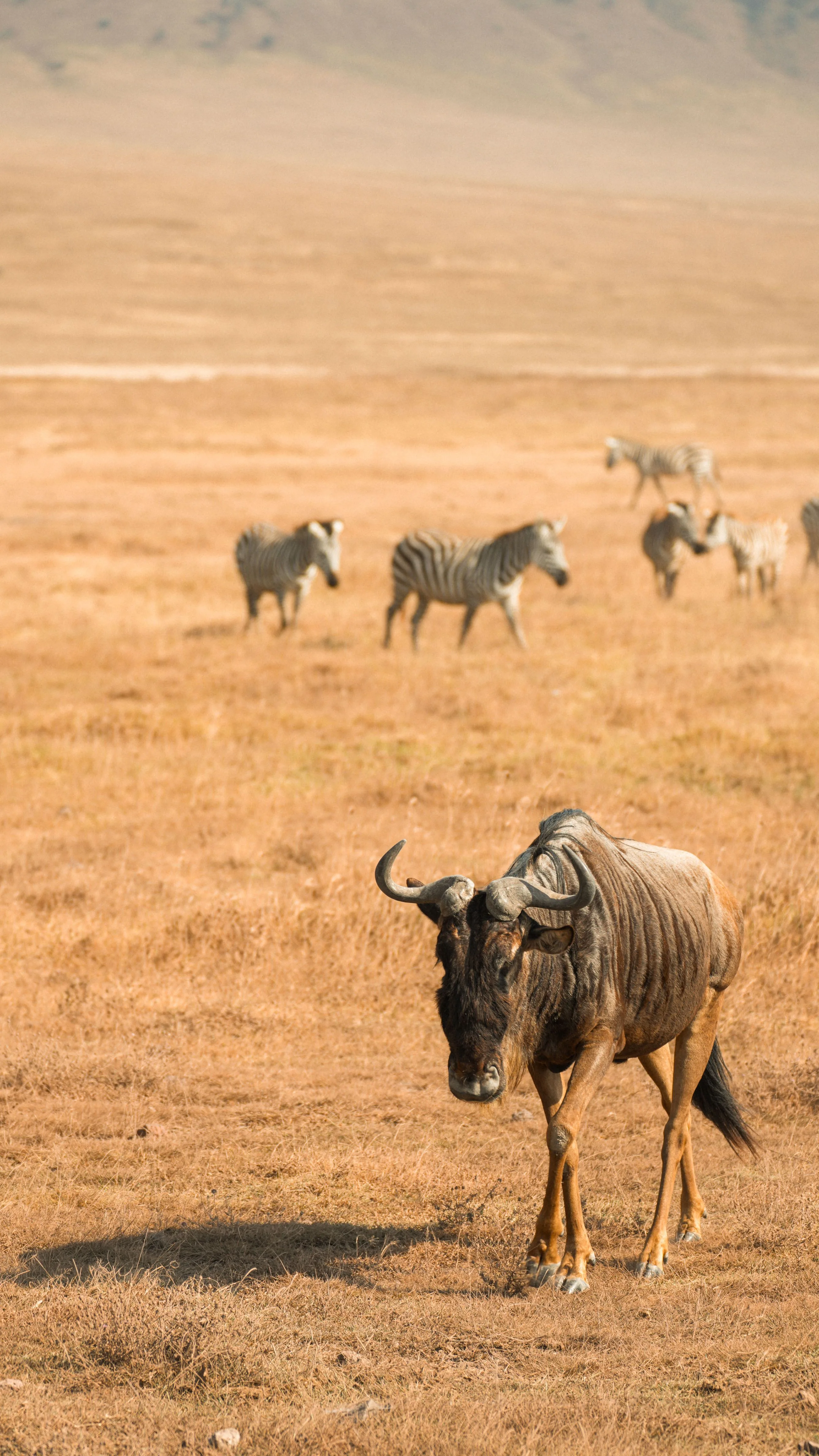
The best Great Migration itinerary depends on when you travel, how many safari days you have and where you are starting your journey.
If you are ready to move from migration planning to a specific itinerary, these Tanzania safari options provide useful starting points.
4 Days Great Migration Safari Tanzania
Best for: Travellers looking for a short, migration-focused Tanzania safari.
Our 4 Days Great Migration Safari Tanzania is designed around the seasonal location of the wildebeest rather than following the same Serengeti route throughout the year.
The itinerary can focus on the most appropriate migration area for your travel period while combining wildlife viewing with a private 4×4 safari experience.
Starting from: USD 1,650 per person.
4 Days Ndutu Calving Safari
Best for: January–March travel, wildebeest calving, predators and photography.
If your priority is the Great Migration calving season, the safari should concentrate on Ndutu and the Southern Serengeti rather than Northern Serengeti.
Our 4 Days Ndutu Calving Safari includes two nights around the Ndutu migration area before continuing to Ngorongoro Crater.
This is particularly suitable for travellers interested in newborn wildebeest, predator activity and the green landscapes associated with this stage of the migration.
Starting from: USD 1,495 per person.
Tanzania Safari from Zanzibar
Best for: Travellers already staying in Zanzibar who want to add a short Serengeti safari.
You do not necessarily need to return to Arusha before beginning your wildlife experience.
A Tanzania safari from Zanzibar can use scheduled light-aircraft flights to connect the island with the Serengeti, allowing a 3–5 day safari to be incorporated into a longer beach holiday.
The exact Serengeti arrival area should be selected according to your dates and the migration-focused itinerary.
Tanzania Safari Packages
Best for: Travellers comparing different safari durations, routes and budgets.
If you are not yet certain that your entire safari should focus on the migration, explore our Tanzania safari packages to compare Serengeti, Ngorongoro, Tarangire, Lake Manyara and safari-and-Zanzibar combinations.
This can be particularly useful for first-time visitors deciding between a dedicated migration safari and a broader Northern Circuit itinerary.
Which Great Migration Safari Should You Choose?
| Your Travel Priority | Recommended Starting Point |
|---|---|
| Short migration-focused safari | 4 Days Great Migration Safari Tanzania |
| January–March calving | 4 Days Ndutu Calving Safari |
| Starting from Zanzibar | Tanzania Safari from Zanzibar |
| Comparing several Tanzania routes | Tanzania Safari Packages |
| Mara River focus | Northern Serengeti migration itinerary |
| First Tanzania safari | Serengeti + Ngorongoro itinerary |
| Photography priority | Longer migration-focused private safari |
You do not need to choose the longest itinerary automatically.
A shorter safari positioned in the correct migration region can make more sense than a longer itinerary that spends too much time transferring between destinations.
Start with your travel dates and main wildlife priority, then choose the safari duration and route that provide enough time in the appropriate Serengeti region.
About Your Tanzania Great Migration Safari Expert

Written & Reviewed by John Peter – Senior East Africa Safari Specialist & Operations Manager
This Great Migration Safari Tanzania guide was written and reviewed by John Peter, an East Africa safari specialist with over 16 years of experience planning and coordinating safaris across Tanzania and Kenya.
His expertise includes private safari itineraries, Serengeti migration planning, accommodation selection, safari logistics and Kenya–Tanzania journeys.
Practical Great Migration Safari Expertise
John Peter helps travellers choose suitable Serengeti regions based on their travel dates, wildlife interests and safari duration. His approach prioritises seasonal herd movements, well-positioned accommodation and practical travel routes, allowing more time for wildlife viewing.
Whether planning an Ndutu calving safari, a Northern Serengeti Mara River crossing safari or a Serengeti and Zanzibar holiday, each itinerary is designed around the traveller's needs rather than a fixed safari route.
Editorial Standards & Accuracy
This guide draws on practical safari-planning experience and established seasonal migration patterns. Because wildebeest movements depend on rainfall and grazing conditions, exact herd locations, river crossings and wildlife sightings cannot be guaranteed.
Migration information, accommodation recommendations, safari prices and travel logistics are reviewed periodically. Final rates and arrangements are confirmed in individual safari quotations.
Written & Reviewed by: John Peter
Role: Senior East Africa Safari Specialist & Operations Manager
Experience: 16+ Years
Specialisation: Serengeti Great Migration, Tanzania Safaris & East Africa Safari Operations
Last Reviewed & Updated: September 2026
Best Places to Stay for the Great Migration in Tanzania
Choosing the right accommodation can make a significant difference to your safari. A well-positioned camp reduces unnecessary transfers and gives you more time for game drives.
Where to Stay for the Great Migration by Season
Retain your existing accommodation comparison table here.
Choosing Between Seasonal Camps and Permanent Lodges
Seasonal migration camps operate in locations selected to provide access to important migration areas during particular periods. They are especially appealing to travellers prioritising migration-focused game drives.
Permanent safari lodges and tented camps offer established facilities and can be ideal for families, first-time visitors and travellers seeking a broader Serengeti wildlife experience.
Neither option is automatically better. Consider the camp's actual location, comfort level, access to game-drive areas and available budget.
East Africa Jungle planning advice: We recommend accommodation according to your travel dates, preferred comfort level and the overall safari route, with specific camp options confirmed in your quotation.
Why This Guide Helps
Use this page to compare safari packages that match the same travel intent. Each result can be reviewed by itinerary, price, duration, accommodation, route map, image gallery, inclusions, and downloadable program.
Questions
1. What is the best time for a Great Migration safari in Tanzania?
The best time depends on which stage of the Great Migration you want to experience. January to March is generally associated with calving around Ndutu and the Southern Serengeti, May to July with northward movement through Central and Western Serengeti, and July to October with Northern Serengeti and possible Mara River crossings. November and December usually see the herds moving south again.
2. What is the best month to see the Great Migration in Tanzania?
There is no single best month for every traveller. February is particularly attractive for wildebeest calving and predator activity, while August and September are popular for travellers hoping to see Mara River crossings in Northern Serengeti. Your preferred wildlife experience should determine the month you choose.
3. Can you guarantee a Mara River crossing?
No. Mara River crossings cannot be guaranteed. Wildebeest may gather near the river and cross suddenly, move to another crossing point or leave the river without crossing. Staying several nights in Northern Serengeti during the appropriate season provides more opportunities, but it never creates certainty.
4. When is the wildebeest calving season in Tanzania?
The main wildebeest calving season generally occurs from January through March, with February commonly regarded as a particularly important period. Large herds gather around Ndutu and the Southern Serengeti, where the short-grass plains provide seasonal grazing. Exact timing and concentrations vary according to rainfall and natural conditions.
5. When is the Mara River crossing season in Tanzania?
The main Mara River migration period in Northern Serengeti is generally from approximately July to October. August and September receive particularly strong interest, but crossings do not happen continuously throughout this period and cannot be scheduled for a particular day.
6. Where is the best place to see the Great Migration in Tanzania?
The best location changes throughout the year. Ndutu and Southern Serengeti are important during calving season, Central and Western Serengeti become more relevant as the herds move north, and Northern Serengeti around Kogatende and the Mara River is a major focus during approximately July to October.
7. How many days do you need for a Great Migration safari?
For most travellers, 5–7 days provides a good balance of migration viewing and wider Tanzania wildlife experiences. A 3–4 day safari can work when focused on one migration region, particularly with fly-in arrangements. Photographers and travellers hoping for river-crossing opportunities may prefer 7–10 days.
8. How much does a Great Migration safari in Tanzania cost?
A short Great Migration safari can start from approximately USD 1,500 per person, while longer mid-range, fly-in and luxury itineraries may range from roughly USD 2,500 to USD 7,500+ per person. The final cost depends on season, safari duration, group size, accommodation, park fees, domestic flights and itinerary design.
9. Is the Great Migration better in Tanzania or Kenya?
Both Tanzania and Kenya form part of the wider migration ecosystem, but the experience depends strongly on the season. Tanzania contains much of the migration's annual route, including the Ndutu calving grounds, Central and Western Serengeti and the Mara River region of Northern Serengeti. Kenya's Masai Mara becomes particularly important during part of the northern migration period. Your dates and preferred experience should determine which side fits your trip.
10. Can I see the Mara River crossings from Tanzania?
Yes. The Mara River runs through Northern Serengeti in Tanzania, so you do not have to cross into Kenya to have opportunities to witness wildebeest river crossings. During the appropriate season, Tanzania itineraries can stay around the wider Kogatende and Northern Serengeti area.

 16+ Years
 English